
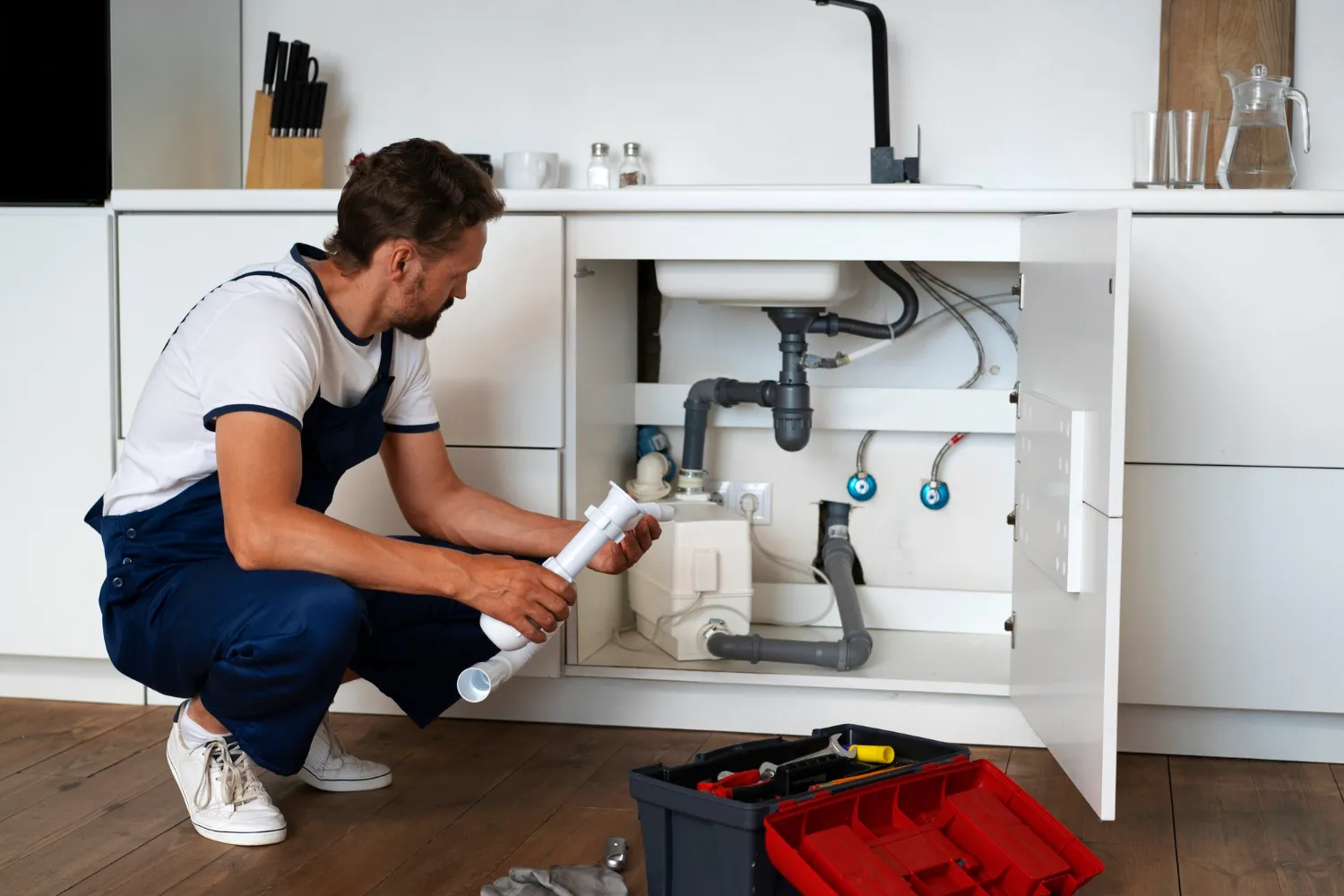
Proper water heater mounting is essential for safety, efficiency, and long term performance. Whether you’re installing a tank or tankless unit, mounting it correctly ensures stability, prevents leaks, and complies with building codes.
If you’re planning to install or replace your water heater, understanding the correct mounting techniques can save you time, money, and potential hazards. This guide covers types of mounting, step-by-step instructions, safety tips, and common mistakes to avoid.
Why Proper Water Heater Mounting Matters
Mounting a water heater correctly is crucial for several reasons:
- Safety: Prevents the heater from tipping or falling
- Compliance: Meets local building codes and regulations
- Efficiency: Ensures proper water flow and reduces strain on pipes
- Longevity: Avoids unnecessary wear on the tank and connections
Improper mounting can lead to leaks, damage to your home, or even accidents.
Types of Water Heater Mounting
There are several ways to mount a water heater depending on the type and location:
1. Floor-Mounted Water Heaters
- Most common for 30 80 gallon tanks
- Installed directly on the utility room floor
- Requires a level surface and proper drainage
2. Wall-Mounted Water Heaters
- Typically tankless or small point-of-use tanks
- Saves floor space in small apartments or homes
- Requires strong wall studs or mounting brackets rated for water heater weight
3. Elevated or Suspended Mounting
- Used in garages or areas prone to flooding
- Water heater sits on a platform or wall-mounted shelf
- Ensures protection from water damage and easier maintenance
Tools and Materials You’ll Need
Before mounting a water heater, gather:
- Mounting brackets or frame (for wall-mounted units)
- Level and measuring tape
- Drill and screws/anchors
- Pipe wrench and plumbing tape
- Safety gloves and goggles
- Optional: platform or stand for elevated mounting
Step-by-Step Guide to Mounting a Water Heater
1. Choose the Right Location
- Must support the weight of the filled tank or unit
- Should allow access for maintenance and flushing
- Near water and gas/electric connections
- Clear of obstructions or hazards
2. Prepare the Wall or Floor
- For wall mounts: ensure studs can support the unit
- For floor mounts: make sure surface is level and sturdy
3. Install Mounting Brackets or Platform
- Follow manufacturer guidelines
- Secure brackets or platform firmly
- Double-check level to prevent tilting
4. Place the Water Heater
- Lift carefully onto brackets or platform
- Ensure unit is stable before connecting pipes
5. Connect Water and Power/Gas Lines
- Follow plumbing and electrical or gas codes
- Check for leaks and proper flow
6. Test the System
- Turn on water supply and power/gas
- Inspect all connections for leaks
- Confirm proper heating function
Common Mistakes to Avoid
- Mounting on weak walls without studs or proper support
- Ignoring clearance requirements for maintenance
- Overlooking leveling, causing strain on pipes
- Using incorrect brackets or hardware
- Skipping permits or inspections
When to Call a Professional
Some water heater mounting situations require expert help:
- Wall-mounted or elevated installations
- Heavy tank water heaters (50+ gallons)
- Homes with unusual plumbing or electrical layouts
- Compliance with local building codes is required
Hiring a licensed technician ensures your water heater is mounted safely, efficiently, and according to regulations.
Conclusion
Proper water heater mounting is more than just placing a tank on the floor or wall—it ensures safety, efficiency, and longevity. Whether floor-mounted, wall-mounted, or elevated, using the right equipment and following installation guidelines is crucial.
If you’re unsure about mounting your water heater yourself, a licensed professional can safely install the unit, ensure code compliance, and prevent potential hazards. Proper mounting today saves headaches and costly repairs tomorrow.