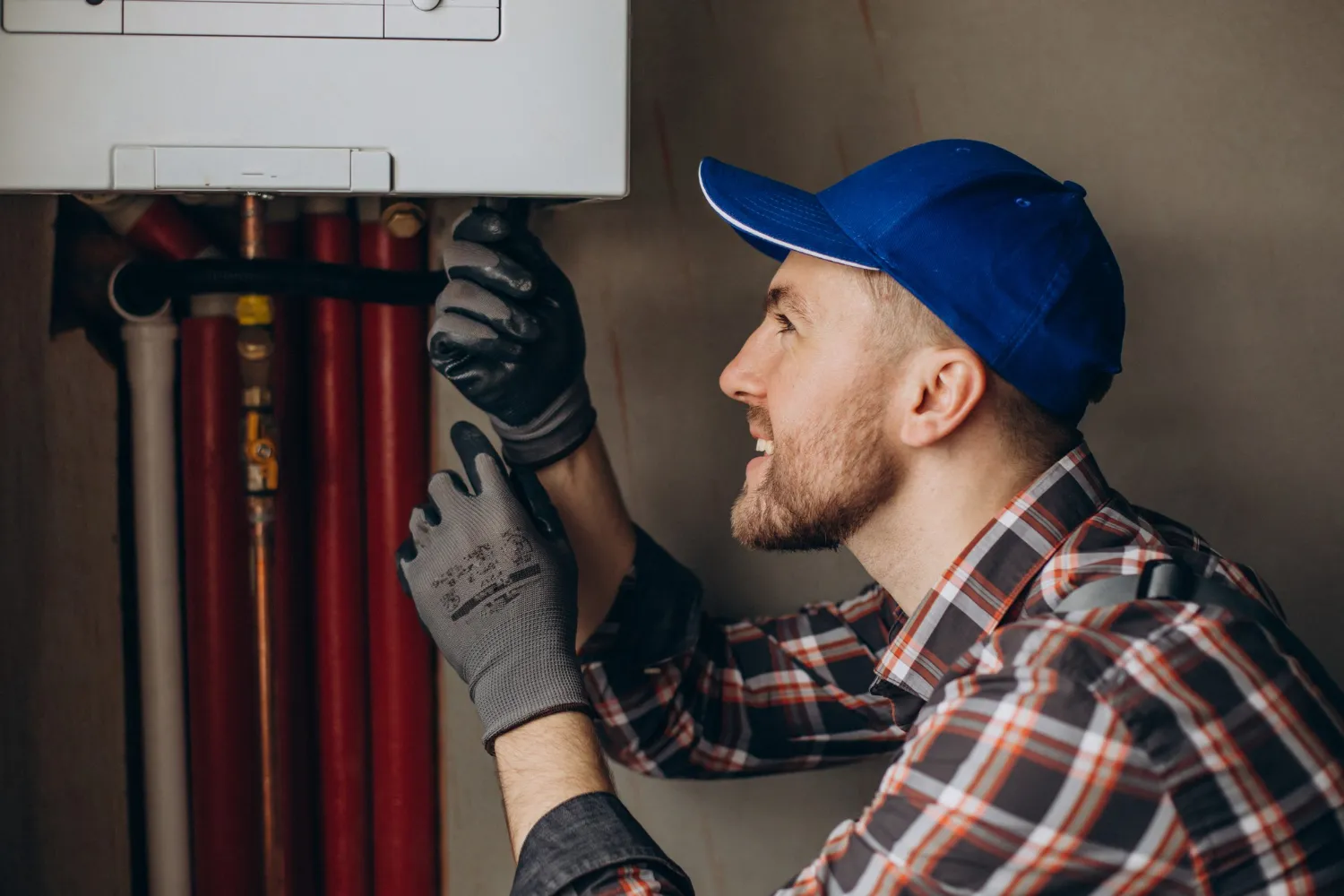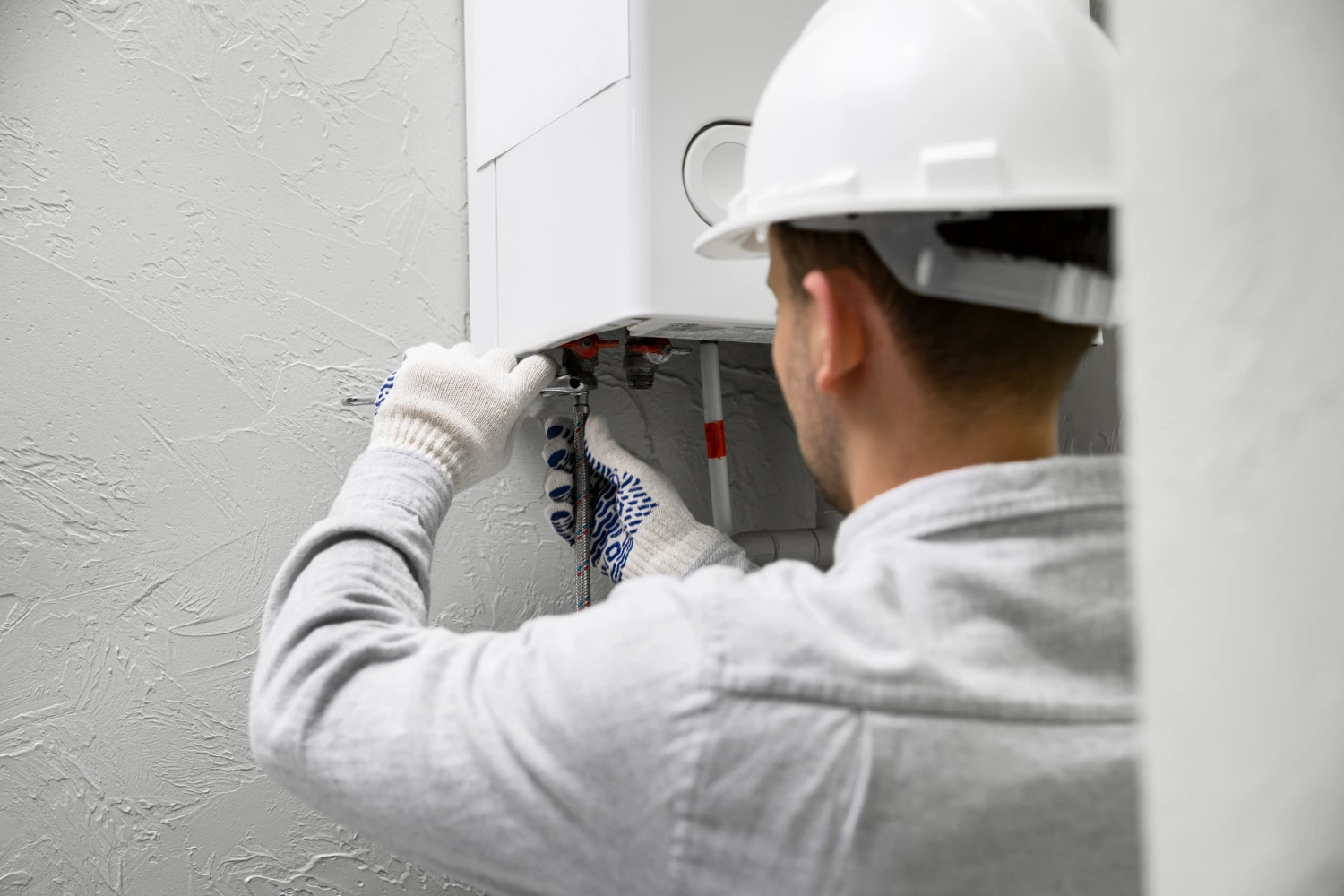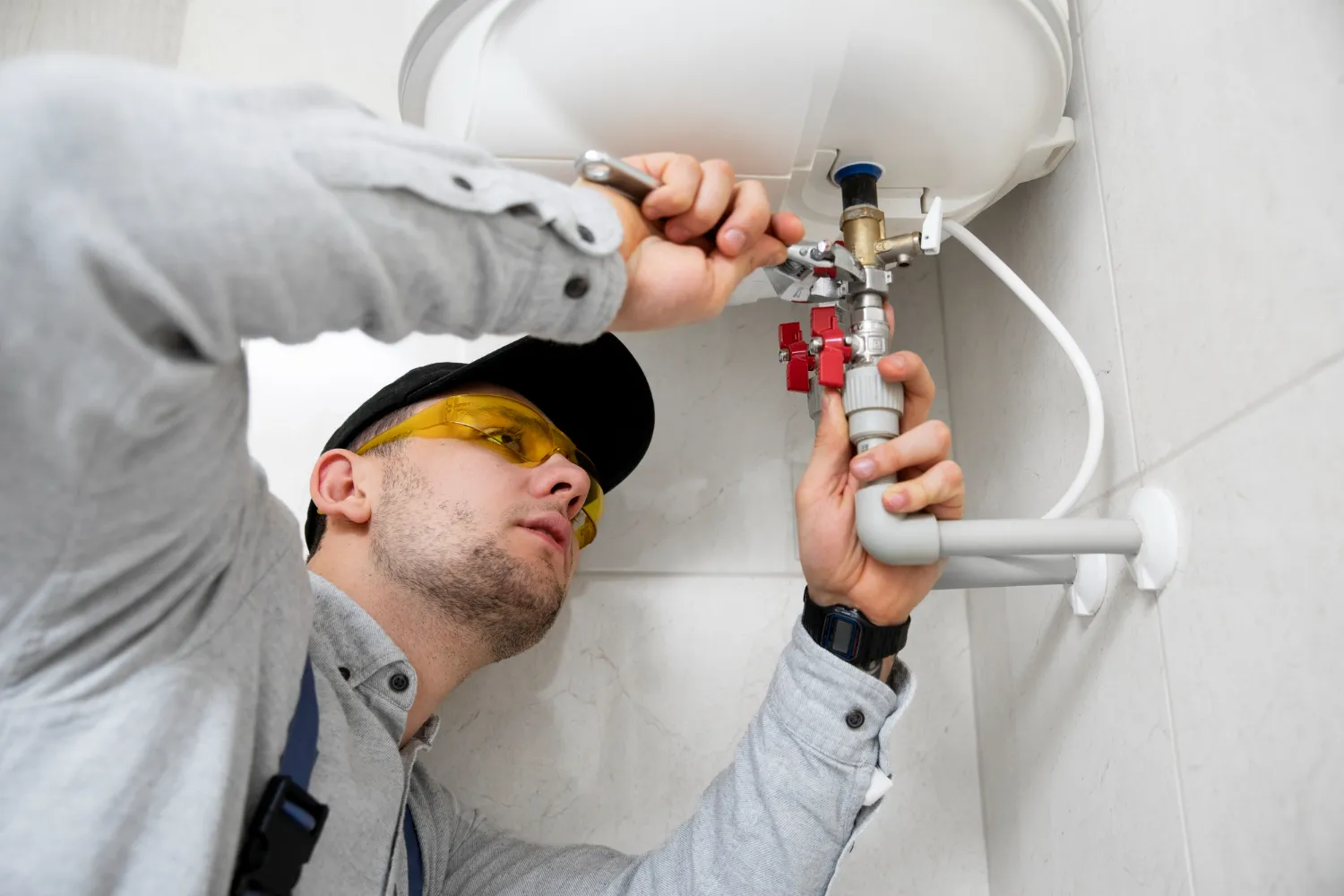
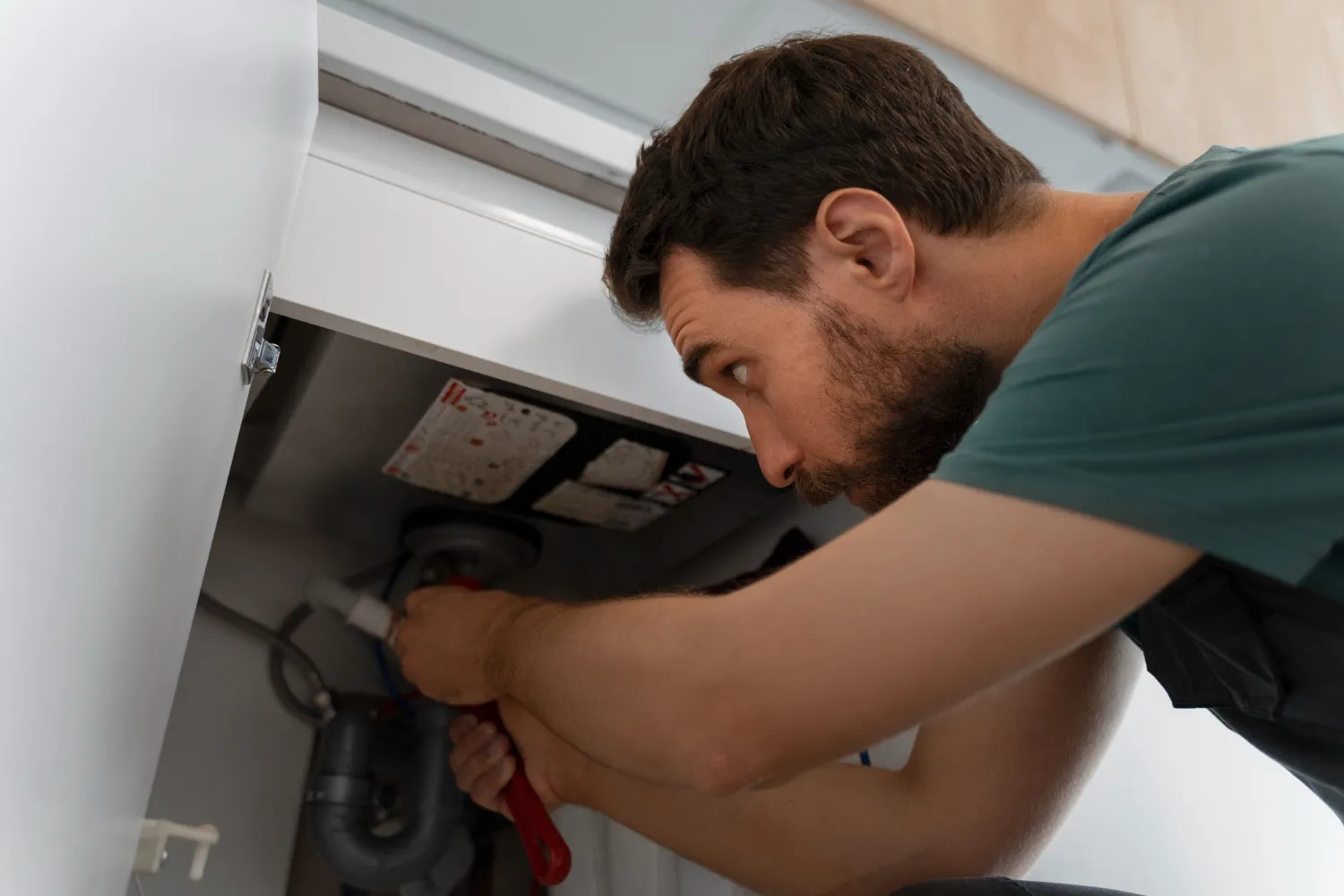
A water heater expansion tank is a small but critical component that protects your plumbing system and extends the life of your water heater. Many homeowners don’t realize the importance of expansion tanks until a problem arises, such as leaking pipes, pressure buildup, or frequent water heater issues.
If you’re wondering what a water heater expansion tank is, how it works, and whether you need one, this guide covers everything: types, installation, benefits, maintenance, and costs.
What Is a Water Heater Expansion Tank?
A water heater expansion tank is a small tank installed on the cold water supply line near your water heater. Its main purpose is to absorb excess water pressure caused by thermal expansion, which occurs when water heats up and expands.
Without an expansion tank, the added pressure can:
- Damage your water heater tank
- Cause leaks in plumbing
- Trigger the pressure relief valve frequently
- Reduce the lifespan of your hot water system
Essentially, an expansion tank acts as a shock absorber for your plumbing system.
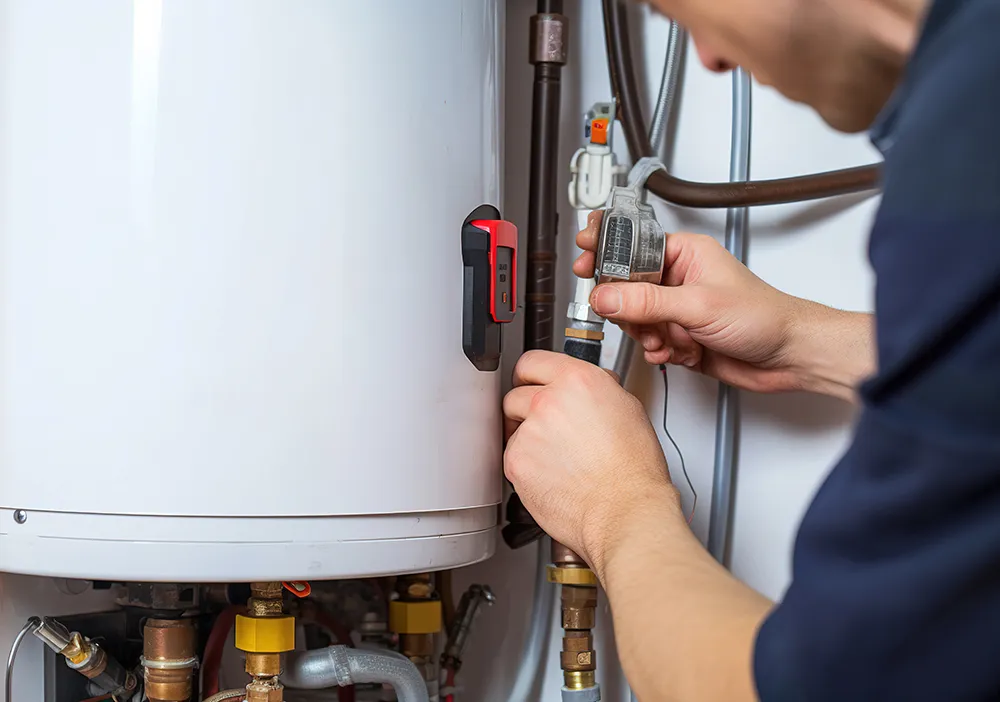
Why You Need a Water Heater Expansion Tank
Installing an expansion tank is highly recommended, especially if your home has a closed water system. A closed system has check valves or pressure-reducing valves that prevent water from flowing back into the municipal supply. In such systems, thermal expansion can’t escape, increasing the risk of leaks or water heater damage.
Benefits of a water heater expansion tank include:
- Reduces pressure in the water heater and pipes
- Prevents leaks and water damage
- Prolongs the life of your water heater
- Reduces strain on pressure relief valves
- Improves overall system safety and efficiency
How a Water Heater Expansion Tank Works
A typical expansion tank has two compartments separated by a diaphragm or bladder:
- Air chamber: Absorbs expanding water and cushions pressure
- Water chamber: Receives excess water from the water heater
When water heats and expands, it enters the tank instead of over-pressurizing the plumbing system. This prevents leaks, pipe bursts, and premature water heater failure.
Types of Water Heater Expansion Tanks
Expansion tanks vary by size, material, and application:
1. Steel Expansion Tanks
- Most common for residential use
- Durable and reliable
- Requires periodic inspection for corrosion
2. Bladder or Diaphragm Tanks
- Contains a flexible membrane separating air and water
- Prevents water from coming into contact with metal, reducing corrosion
- Longer lifespan and lower maintenance
3. Size Options
- Common residential sizes: 2 – 15 gallons
- Size depends on water heater capacity and system pressure
- Professional sizing ensures optimal performance
How to Install a Water Heater Expansion Tank
Proper installation is critical. Here’s a step-by-step overview:
- Turn off water supply and power/gas
- Choose installation location: Usually on the cold water line above the water heater
- Install a tee fitting to connect the expansion tank to the supply line
- Attach the tank: Ensure vertical orientation and proper support
- Pressurize tank: Check air charge using a tire pressure gauge
- Turn on water supply and power/gas
- Check for leaks and proper system operation
Tip: Professional installation is recommended for accurate sizing and code compliance. Improper installation can reduce effectiveness or void warranties.
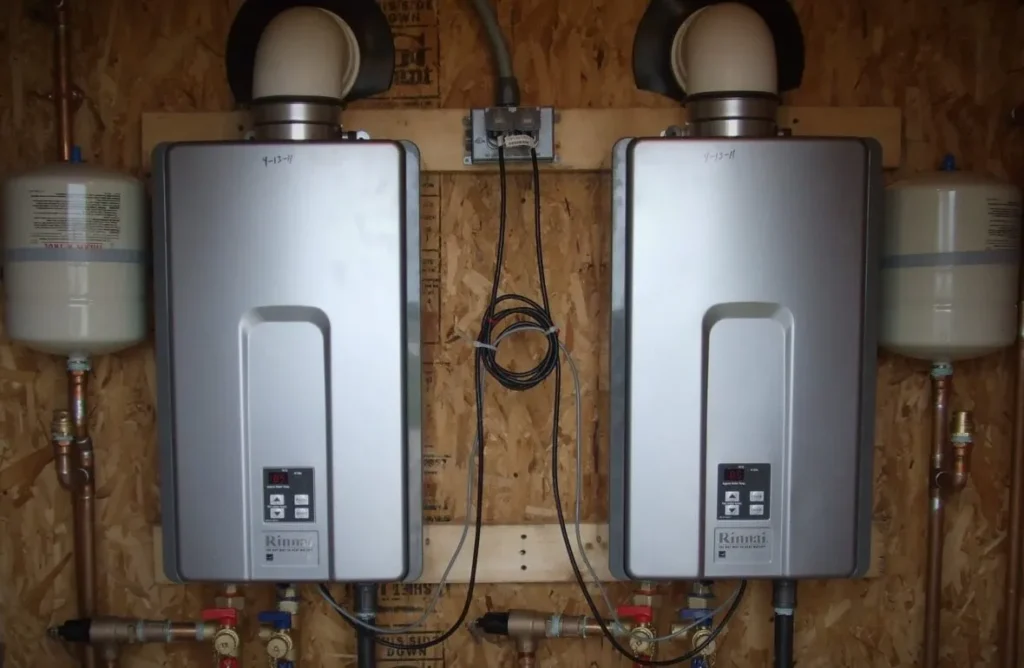
How to Maintain a Water Heater Expansion Tank
- Check air pressure annually: Should match water system pressure
- Inspect for leaks or corrosion: Replace if necessary
- Ensure proper orientation: Vertical mounting is recommended
- Replace older tanks: Lifespan is typically 5 -10 years depending on water quality
Regular maintenance ensures your expansion tank continues protecting your water heater and plumbing system.
Common Problems Without an Expansion Tank
Homes without an expansion tank may experience:
- Frequent T&P (temperature and pressure) valve discharge
- Leaks in pipes or joints
- Water hammer (banging pipes)
- Reduced lifespan of water heater
- Fluctuating water pressure
Installing an expansion tank prevents these issues and protects your home’s plumbing system.
How Much Does a Water Heater Expansion Tank Cost?
| Component | Typical Cost |
|---|---|
| Small residential tank (2 – 5 gallons) | $50 – $100 |
| Medium residential tank (5 -10 gallons) | $100 – $150 |
| Professional installation | $150 – $300 |
| Total cost (unit + installation) | $200 – $400 |
Investing in an expansion tank is minor compared to the cost of water damage or early water heater replacement.
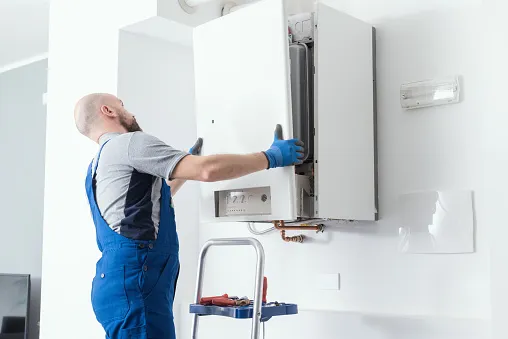
Tank Sizing Guide for Water Heater Expansion Tanks
Correct sizing is essential:
- 40-50 gallon water heater → 2 5 gallon expansion tank
- 50-75 gallon water heater → 5 7 gallon expansion tank
- High-pressure or commercial systems → 10 – 15 gallon expansion tank
Always check local codes or consult a licensed plumber to select the proper size.
When to Call a Professional
Professional help is recommended if:
- You are unsure about your plumbing system or water pressure
- You need a larger or commercial expansion tank
- Installation requires cutting into pipes or adding fittings
- You want code-compliant installation for safety and insurance
A licensed technician ensures proper sizing, correct installation, and long-term protection for your water heater system.
Conclusion
A water heater expansion tank is a small, cost effective device that provides big protection. By absorbing thermal expansion, it prevents leaks, protects your plumbing, and prolongs the life of your water heater.
Costs are reasonable typically $50 – $150 for the tank, with $150-$300 for professional installation making it a smart investment for any home with a water heater.
If you want to avoid costly water damage, frequent T&P valve discharges, and premature water heater replacement, installing a properly sized expansion tank is essential. A licensed plumber can assess your system, recommend the right tank, and install it safely for long-term peace of mind.