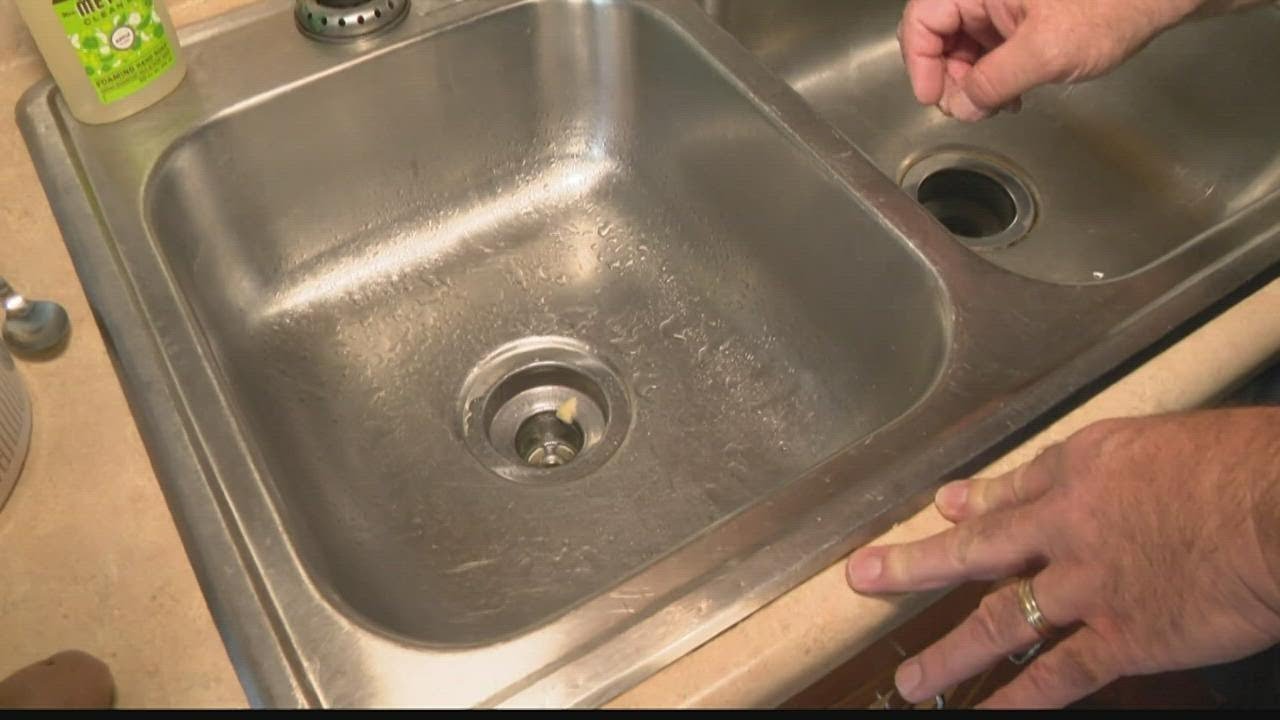
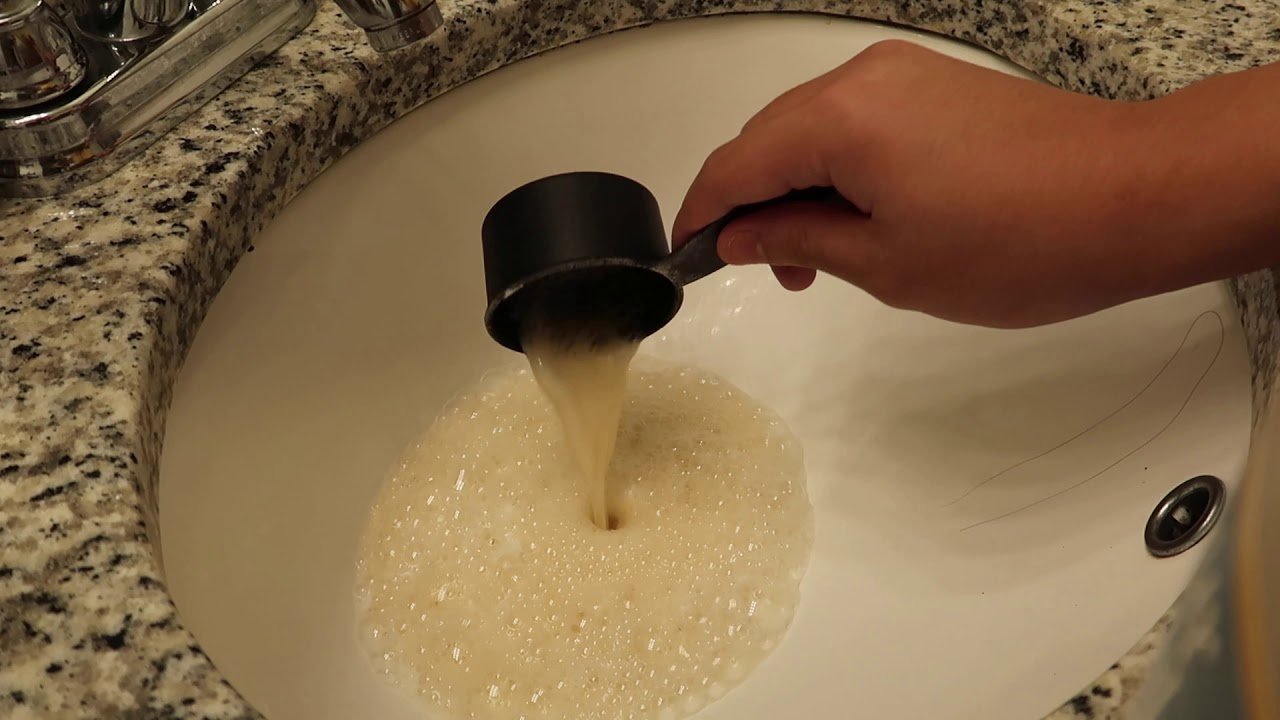
It’s a familiar story in every home. You’re washing dishes, and the water starts pooling around your feet. Or you’re brushing your teeth, and the sink takes forever to empty, leaving a grimy residue behind. A slow-moving or completely clogged drain is one of the most common and frustrating household problems. Before you reach for a bottle of harsh, chemical laden drain cleaner, what if there was a safer, cheaper, and more eco-friendly solution right in your pantry?
Enter the powerhouse duo of kitchen staples: vinegar and baking soda drain cleaning. This simple combination has been a go-to for DIY enthusiasts and savvy homeowners for generations, and for good reason. Using vinegar and baking soda drain cleaning is not just an old wives’ tale; it’s a scientifically sound method for tackling minor clogs, eliminating foul odors, and maintaining the health of your plumbing system. It’s a fantastic first line of defense against everyday buildup from soap scum, grease, and hair. This guide will break down exactly how this method works, when to use it, and provide step-by-step instructions to get your drains flowing freely again. Forget the expensive plumbers’ bills and toxic chemicals; let’s explore some easy plumbing tips you can use today.
Why Choose a Natural Drain Cleaning Method?
When faced with a clog, the temptation is to grab the most powerful chemical cleaner from the store shelf. These products promise to dissolve everything in their path, but that power comes at a cost. Understanding the drawbacks of chemical cleaners makes the case for natural alternatives even stronger.
The Problem with Chemical Drain Cleaners
- They Damage Your Pipes: Harsh chemicals, particularly those containing sodium hydroxide or sulfuric acid, generate intense heat to dissolve clogs. Over time, this heat can soften PVC pipes, corrode metal pipes, and damage the seals and joints in your plumbing system. This can lead to much more expensive repairs down the line.
- They Are Harmful to Your Health: The fumes from chemical drain cleaners are toxic and can cause respiratory irritation, skin burns, and eye damage if splashed. Mixing different chemical cleaners can even create dangerous gases.
- They Are Bad for the Environment: Once these chemicals go down your drain, they end up in the water supply. They can harm aquatic life and disrupt delicate ecosystems. They are also not safe for septic systems, as they kill the beneficial bacteria needed to break down waste.
In contrast, a DIY approach using household items is significantly safer for you, your pipes, and the planet. It’s a preventative measure and a gentle solution for common plumbing problems.
The Science Behind Vinegar and Baking Soda Drain Cleaning
So, how does this fizzy concoction actually work? It’s a classic acid-base reaction that you might remember from a school science fair volcano.
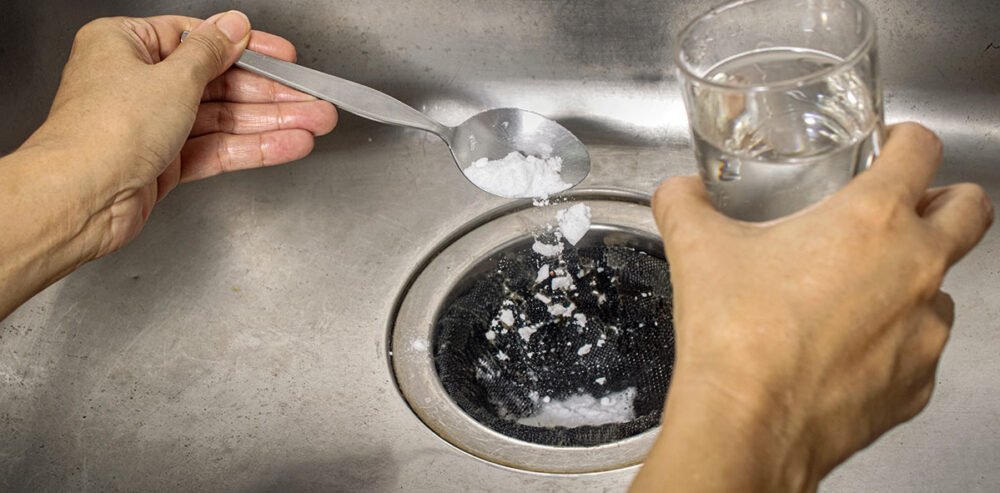
- Baking Soda (Sodium Bicarbonate): This is a mild base. When poured into the drain, it can help dissolve some of the greasy, fatty acids that have built up into sludge. On its own, it’s a great deodorizer, absorbing nasty smells.
- Vinegar (Acetic Acid): This is a mild acid. It works to break down mineral deposits and other grime.
- The Reaction: When you combine the two, you get an immediate and vigorous chemical reaction. The vinegar and baking soda drain cleaning react to produce carbon dioxide gas. This gas rapidly expands and creates a bubbling, scrubbing action inside the pipe. This physical agitation helps to dislodge and break up the soft blockages caused by hair, soap scum, and grease.
It’s important to manage expectations. This method is fantastic for routine maintenance and clearing minor, soft clogs. However, it may not be powerful enough for severe blockages or clogs caused by solid objects or dense tree roots.
Step-by-Step Guide: How to Clean vinegar and baking soda drain cleaning
Ready to put this dynamic duo to the test? Here’s a simple, step-by-step process. This method works well for kitchen sinks, bathroom sinks, bathtubs, and showers.
Step 1: Prepare the Drain
Before you begin, remove as much standing water from the sink or tub as possible. The cleaning solution will be more effective if it can get right to work on the clog itself rather than being diluted in a basin full of water. Also, remove the drain stopper or pop-up plug and clear away any visible hair or debris from the drain opening.
Step 2: Unleash the Boiling Water
Start by pouring a large pot of boiling water directly down the drain. This initial flush helps to melt and loosen any congealed grease, which is often a primary component of kitchen sink clogs. It warms up the pipes and preps them for the main event.
A quick word of caution: If you have PVC pipes, avoid using boiling water as the extreme heat can potentially soften the plastic. Instead, use the hottest water your tap can produce.
Step 3: Add the Baking Soda
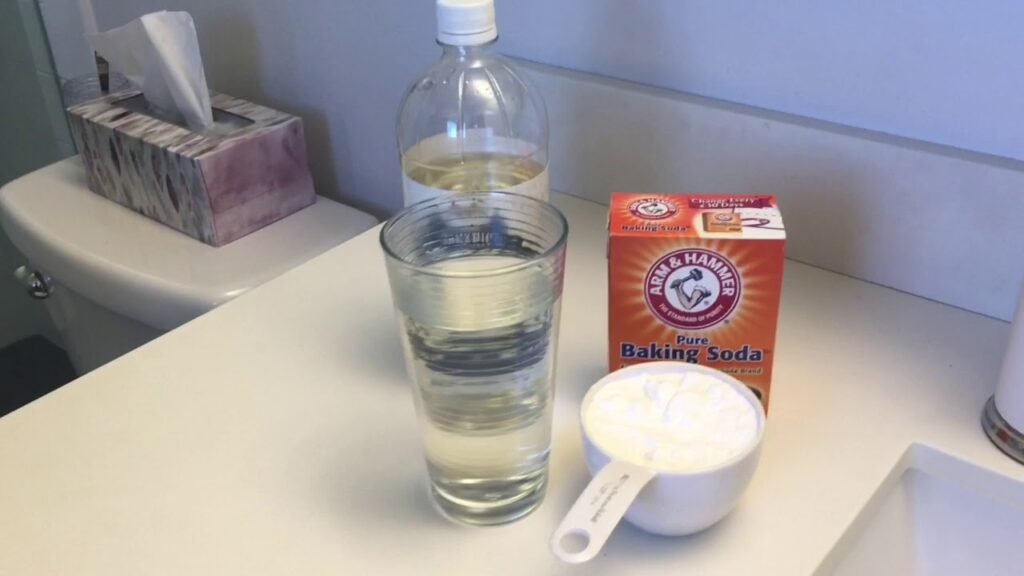
Pour about one cup of baking soda directly into the drain opening. Try to get as much of it down into the pipe as possible. If needed, use a funnel or gently push it down with the handle of a utensil. Let the baking soda sit for a few minutes.
Step 4: Introduce the Vinegar
Next, slowly pour one cup of white vinegar and baking soda drain cleaning down the drain. As soon as the vinegar hits the baking soda, the fizzing reaction will begin. Immediately cover the drain opening with a plug, a stopper, or even a wet rag. This traps the carbon dioxide gas inside the pipe, forcing the bubbling action downwards to work on the clog.
Step 5: Let It Work Its Magic
Let the mixture sit and fizz for at least 30 to 60 minutes. For tougher clogs or for a deep, deodorizing clean, you can let it sit for several hours or even overnight. There’s no harm in letting it work for longer.
Step 6: The Final Flush
After waiting, uncover the drain and flush it one more time with another pot of boiling or very hot water. This final rinse will wash away all the loosened gunk and residual baking soda and vinegar and baking soda drain cleaning, leaving you with a clean and clear pipe.
If the drain is still slow, you can repeat the process. For stubborn clogs, a second application is often all that’s needed to finish the job.
Pro Tips and Common Mistakes to Avoid
To get the best results from your vinegar and baking soda drain cleaning, keep these tips in mind.
Do:
- Use it for Maintenance: Don’t wait for a full-blown clog. Use this method once a month to keep your pipes clean and prevent buildup.
- Add Salt for Extra Power: For an extra abrasive boost, mix half a cup of table salt with your baking soda before pouring it down the drain. The salt acts as a natural scouring agent to help scrub the pipe walls.
- Try Lemon Juice: If you don’t have vinegar and baking soda drain cleaning on hand, lemon juice can work in a pinch. It is also acidic (citric acid) and will react with the baking soda, plus it leaves a fresh, clean scent.
Don’t:
- Expect it to Clear Everything: This method is not a miracle cure for all plumbing problems. It won’t dissolve a child’s toy or break up a massive clog of hair that has been accumulating for years. For those, you may need to use a drain snake or call a professional.
- Use it After a Chemical Cleaner: Never, ever mix vinegar with a commercial chemical drain cleaner. The combination can create dangerous and toxic chlorine gas. If you’ve recently used a chemical product, flush the drain with plenty of cold water and wait several hours before trying any DIY solution.
- Look Down the Drain: When you pour the vinegar and baking soda drain cleaning, the mixture can foam up quickly and unexpectedly. Keep your face away from the drain opening to avoid getting splashed.
When Do You Need to Call a Plumber?
While DIY methods are great, it’s important to know when a problem is beyond your scope. You should stop a dripping faucet or a slow drain on your own, but some issues require an expert. Call a professional plumber if:
- You have a complete blockage that natural methods and a drain snake can’t clear.
- Multiple drains in your house are clogged at the same time (this often indicates a main sewer line issue).
- You hear gurgling sounds from your drains or toilet when they aren’t in use.
- Foul odors persist even after thoroughly cleaning the drains.
- Water is backing up into your sinks, showers, or tubs.
These are signs of more serious plumbing problems that need professional diagnostic tools and expertise.
Conclusion
A slow or smelly drain is an annoyance no homeowner wants to deal with. But before you declare war with a bottle of harsh chemicals, take a look in your kitchen pantry. The simple, effective, and safe solution of vinegar and baking soda drain cleaning is one of the best easy plumbing tips for maintaining a healthy home. This DIY method leverages basic chemistry to create a powerful scrubbing action that breaks up minor clogs and eliminates odors without damaging your pipes or the environment.
By incorporating this practice into your monthly cleaning routine, you can move from a reactive approach dealing with clogs as they happen to a proactive one. Regular maintenance helps prevent the buildup of grease, soap scum, and other gunk that causes problems in the first place. Of course, it’s also crucial to recognize when a clog is too stubborn for a DIY fix and it’s time to call in a professional. But for everyday upkeep and minor blockages, the fizzing force of baking soda and vinegar is your best friend.
Ready to take control of your home’s plumbing health? Give this method a try. For more helpful DIY solutions, check out our other home maintenance guides!
Frequently Asked Questions (FAQs)
1. How often should I use vinegar and baking soda drain cleaning?
For preventative maintenance, using the vinegar and baking soda drain cleaningmethod once a month is a great routine. This helps keep buildup from forming and keeps drains smelling fresh.
2. Is this method safe for my garbage disposal?
Yes, it’s perfectly safe and highly recommended for cleaning and deodorizing your garbage disposal. The fizzing action helps dislodge food particles from the grinding chamber. For an extra clean, you can also toss in a few lemon or orange peels and grind them up after the flush.
3. Can I use apple cider vinegar instead of white vinegar?
Yes, you can. Apple cider vinegar is also acidic and will react with baking soda in the same way. However, white distilled vinegar and baking soda drain cleaning is generally cheaper and just as effective, making it the more common choice for cleaning.
4. What if the clog doesn’t clear after two attempts?
If two rounds of vinegar and baking soda drain cleaning don’t work, the clog is likely more severe or made of material that the reaction can’t dissolve (like a dense hairball). Your next step should be to use a physical tool, like a simple drain snake or a zip-it tool, to try and pull the blockage out manually. If that fails, it’s time to call a plumber.