Introduction
You are standing over your kitchen sink, and the water from washing dishes just isn’t going down. It pools around the drain, creating a murky, unappealing mess. Or maybe it’s the shower, where you find yourself standing in an inch of water by the time you are done. A clogged drain is one of the most frustrating and common household problems, turning simple tasks into a chore. Before you reach for the phone to call an expensive plumber, what if there was a powerful solution you could use yourself?
Many homeowners are discovering the power of Thrift drain cleaner, a professional-strength product that can dissolve the toughest clogs. Unlike many liquid cleaners that sit on top of the blockage, Thrift Drain Cleaner is a granular product that gets right to the source of the problem. Knowing how to use it correctly is key to a successful outcome and protecting your pipes.
In this guide, we will walk you through everything you need to know about this potent clog remover. We will cover what it is, how to use it safely, and what types of clogs it tackles best. Get ready to take control of your pipes and say goodbye to stubborn blockages for good.
What is Thrift Drain Cleaner and How Does It Work?
Before you pour anything down your drain, it’s helpful to understand what you’re working with. Thrift drain cleaner is a sodium hydroxide-based, granular chemical cleaner. Sodium hydroxide, also known as lye or caustic soda, is a powerful alkaline compound. When it comes into contact with water, it creates a significant amount of heat.
This exothermic reaction is the secret to its success. The heat, combined with the chemical action of the lye, works to break down and dissolve the most common drain clogs. This includes things like:
- Grease and fat from cooking
- Soap scum buildup
- Hair and other organic matter
- Food particles
Because it is heavier than water, the granular formula sinks through standing water to reach the clog directly. It doesn’t get diluted on the way down, making it one of the most effective clog removers available for DIY use.
Safety First: Precautions Before Using Thrift Drain Cleaner
Sodium hydroxide is extremely effective, but it is also highly caustic. This means it can cause severe burns to skin and eyes and damage certain materials. Safety is not optional when handling this product.
Before you even open the container, you must have the following safety gear:
- Safety Goggles or a Face Shield: Protect your eyes from splashes and fumes. Regular glasses are not enough.
- Rubber or Chemical-Resistant Gloves: Protect your hands.
- Long Sleeves and Pants: Cover all exposed skin.
- Good Ventilation: Open windows and turn on exhaust fans. The chemical reaction can produce fumes.
Crucial Safety Warnings:
- NEVER use Thrift Drain Cleaner in a drain where other chemicals are present. Mixing chemicals can create toxic gas or cause a violent reaction.
- NEVER use a plunger immediately after using Thrift Drain Cleaner. The caustic water can splash back onto you.
- Keep the product away from children and pets at all times.
- Do not use it in toilets or garbage disposals.
Step-by-Step Instructions: How to Use Thrift Drain Cleaner
Now that you are geared up and aware of the precautions, let’s get to the DIY drain cleaning process. Following these steps precisely will ensure a safe and effective result.
Step 1: Prepare the Drain
First, remove as much standing water from the sink or tub as you can. A small cup or a sponge works well. While Thrift Drain Cleaner can work through water, reducing the amount helps it get to the clog faster.
Step 2: Measure the Correct Amount
Read the instructions on the Thrift container carefully. The amount you need will vary based on the size of the drain.
- For small drains (sinks, tubs): Typically, 1 to 2 cups of the granules are recommended.
- For larger sewer lines: You might need half of the container.
Do not guess. Use a designated measuring cup (that you will never use for food again) to portion out the granules.
Step 3: Pour Granules Directly into the Drain
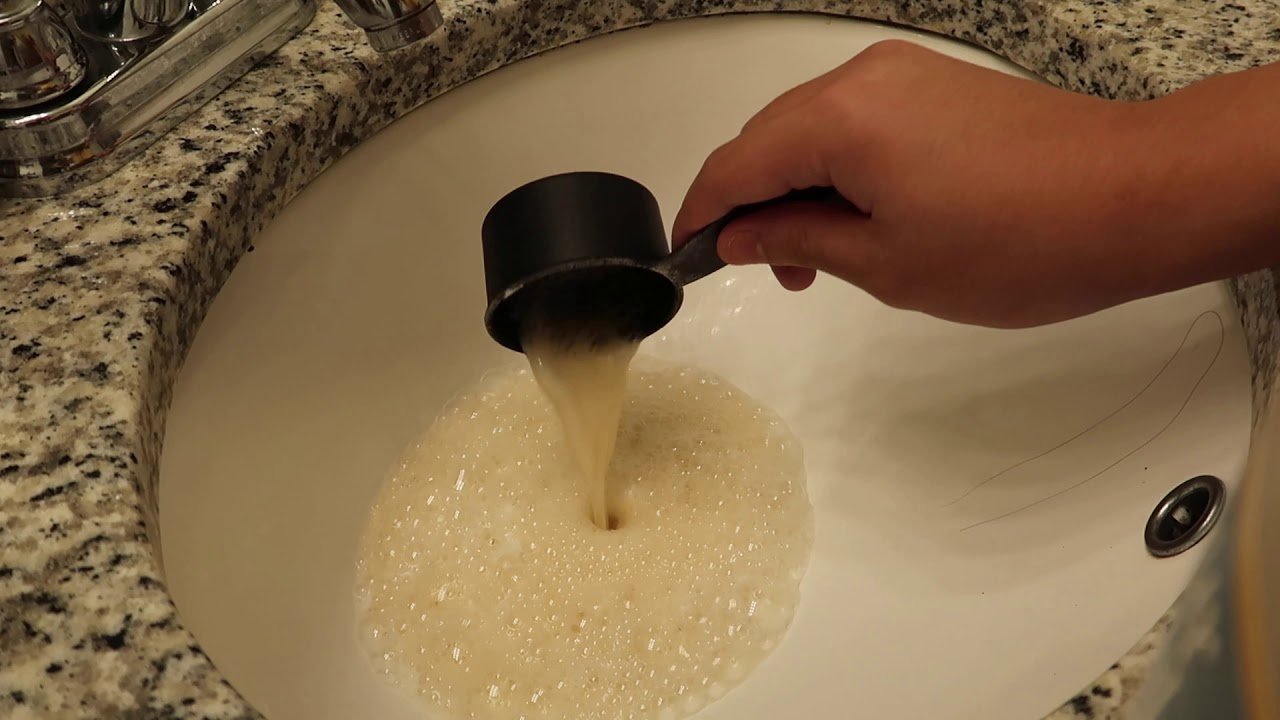
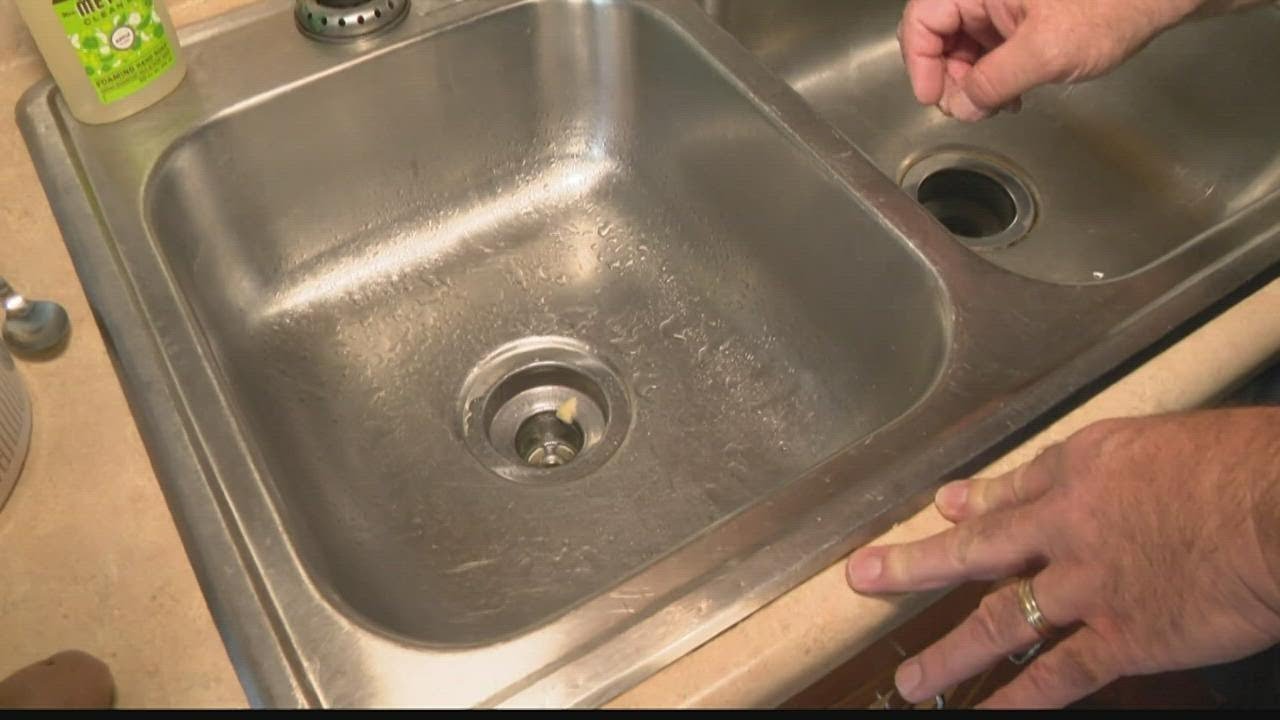
Carefully pour the measured granules directly into the drain opening. Avoid spilling them on sink surfaces, faucets, or countertops. If you do spill some, wipe it up immediately with a dry cloth before adding any water.
Step 4: Add Hot Water
This is the most critical step. Slowly pour 1 to 2 cups of hot (but not boiling) water directly into the drain. Do this carefully to avoid splashing. The hot water activates the sodium hydroxide, starting the chemical reaction that dissolves the clog. You will likely hear a fizzing or bubbling sound and may see steam. This is normal.
Pro Tip: Never add water to the Thrift Drain Cleaner. Always add the granules to the drain first, then add the water.
Step 5: Wait Patiently
Let the Thrift drain cleaner work its magic. The instructions usually recommend waiting at least 60 seconds, but for tougher clogs, you might wait a few minutes. Do not leave it for an extended period, as the heat generated could potentially damage certain types of pipes if left too long.
Step 6: Flush with Cold Water
After the waiting period, turn on the cold water tap and let it run for several minutes. Use cold water, not hot. The cold water will flush the dissolved clog material and any remaining chemical residue down the line. It also helps cool the pipes down safely.
If the drain is still slow, you can repeat the process. However, if the clog persists after two attempts, the blockage may be something that Thrift Drain Cleaner cannot dissolve (like a foreign object) and you may need to call a professional.
Common Mistakes to Avoid
Using powerful chemicals comes with a risk of error. Here are common mistakes homeowners make when using Thrift drain cleaner:
- Using Too Much Product: More is not better. Using too much can create excessive heat, potentially damaging PVC pipes.
- Adding Water Too Quickly: Pouring water aggressively can cause the caustic solution to splash out of the drain.
- Ignoring Safety Gear: This is the most dangerous mistake. Chemical burns from sodium hydroxide are severe.
- Using It on the Wrong Pipes: While Thrift Drain Cleaner is generally safe for most metal and PVC pipes, it should not be used on aluminum, galvanized steel, or very old, fragile plumbing.
Drain Maintenance Tips for a Clog-Free Home
Once your drains are clear, you want to keep them that way. Relying on chemical cleaners should be a last resort, not a regular habit. Here are some drain maintenance tips:
- Use a Drain Strainer: A simple mesh strainer can catch hair and food particles before they go down the drain.
- Be Mindful of Grease: Never pour cooking grease down the sink. Wipe it out with a paper towel and throw it in the trash.
- Run Hot Water Regularly: Once a week, run hot water down your kitchen sink for a few minutes to help melt any grease buildup.
- Try Natural Solutions: For slow drains, a mixture of baking soda and vinegar can be a great monthly maintenance routine and a safe drain cleaning solution for minor issues.
Conclusion
A clogged drain can bring your daily routine to a halt, but it doesn’t have to end in an expensive plumbing bill. With the right product and the right knowledge, you can tackle the problem yourself. Thrift drain cleaner is a powerful tool in a homeowner’s arsenal, capable of dissolving stubborn clogs that other products can’t touch.
The key to using it successfully lies in respecting its chemical power. By prioritizing safety, following the instructions to the letter, and understanding its limitations, you can restore your drains to perfect working order. Remember that preventative maintenance is always the best strategy for avoiding future blockages.
Check our other plumbing guides for more DIY tips and tricks to keep your home running smoothly all year round!
Frequently Asked Questions (FAQ)
1. Is Thrift drain cleaner safe for septic systems?
Yes, when used as directed, Thrift is safe for septic systems. The small amount of sodium hydroxide is heavily diluted by the water in your tank and is neutralized by the fats and acids present.
2. Can I use Thrift drain cleaner in my toilet?
No. You should not use Thrift in a toilet. The heat generated in the ceramic toilet bowl could cause it to crack. It is also not designed to dissolve the types of clogs typically found in toilets.
3. What should I do if I get Thrift on my skin?
Immediately brush off any dry granules, then flush the affected area with cool, running water for at least 15-20 minutes. Remove any contaminated clothing. Seek medical attention right away, as chemical burns can be severe.
4. How often can I use Thrift to maintain my drains?
Thrift is a powerful reactive cleaner, not a maintenance product. It should only be used to clear existing, difficult clogs. For regular maintenance, use gentler methods like enzyme cleaners or a baking soda and vinegar solution.
5. Will Thrift dissolve hair in a shower drain?
Yes, Thrift is very effective at dissolving hair, which is a common cause of clogs in showers and bathroom sinks. The sodium hydroxide breaks down the proteins in the hair, turning it into a liquid that can be flushed away.