Ever Had a Clogged Drain Ruin Your Day?
Picture this: It’s dinner time, the sink’s piled high with greasy pots, and suddenly the water just sits there, mocking you. Or maybe it’s the shower drain that’s slower than a snail after a family get-together. For homeowners with septic systems, reaching for the wrong drain cleaner can spell disaster—killing the good bacteria that keep your tank humming and leading to costly repairs down the line.
That’s where septic safe drain cleaners come in like superheroes. These gentle-yet-powerful formulas tackle clogs from hair, grease, soap scum, and organic buildup without disrupting your septic’s delicate ecosystem. Unlike harsh chemical cleaners loaded with lye or bleach, septic-safe options use enzymes, bacteria, or oxygen-based magic to break down waste naturally.
Why does this matter? A healthy septic system saves you thousands in pumping or replacement fees (which can hit $5,000+). Plus, they’re eco-friendly, keeping groundwater clean. In this guide, perfect for DIY enthusiasts, we’ll hook you up with everything from top product picks to step-by-step unclogging instructions, common drain problems, and easy plumbing tips. No plumber needed just you, some smart choices, and a bit of patience. Let’s get those pipes flowing!
Understanding Septic Safe Drain Cleaners
Septic safe drain cleaners are specially formulated to dissolve clogs while preserving the beneficial bacteria in your septic tank. These microbes digest solids, preventing backups and extending system life.
Traditional cleaners? They’re like poison to your tank—caustic chemicals wipe out bacteria, causing sludge buildup and potential failure. Septic-safe ones rely on biology or mild oxidizers instead.
Types of Septic Safe Cleaners
- Enzyme-based: Use natural enzymes to eat through proteins, fats, and starches. Great for bathrooms.
- Bacterial: Live microbes multiply in pipes, digesting waste over time. Ideal for ongoing maintenance.
- Oxygen-based: fizz oxygen to oxidize organic matter without harsh acids. Quick action on grease.
- Citrus or bio-surfactant: Natural acids and soaps loosen debris gently.
Look for labels like “septic-approved” or “won’t harm tank bacteria.” Brands often tested by plumbing pros.
Why Your Septic Needs Special Care
Septic systems process all household wastewater. Harsh cleaners disrupt the anaerobic digestion process, leading to odors, slow drains, or overflows. Septic safe drain cleaners maintain balance, saving you maintenance headaches.
Fun fact: Regular use can reduce pumping frequency by 20-30%. Perfect for rural homeowners or anyone off municipal sewer.
Top Signs Your Drains Need a Septic Safe Fix
Spot trouble early with these common drain problems:
- Slow draining in sinks, tubs, or toilets.
- Gurgling sounds when water flows.
- Foul odors from drains (not just the fridge!).
- Recurring clogs in the same spot.
- Gurgling or backup when using multiple fixtures.
If multiple signs hit, grab a septic safe drain cleaner before snaking blindly.
Best Septic Safe Drain Cleaners on the Market
Here are homeowner favorites, based on real-world testing:
Enzyme Powerhouses
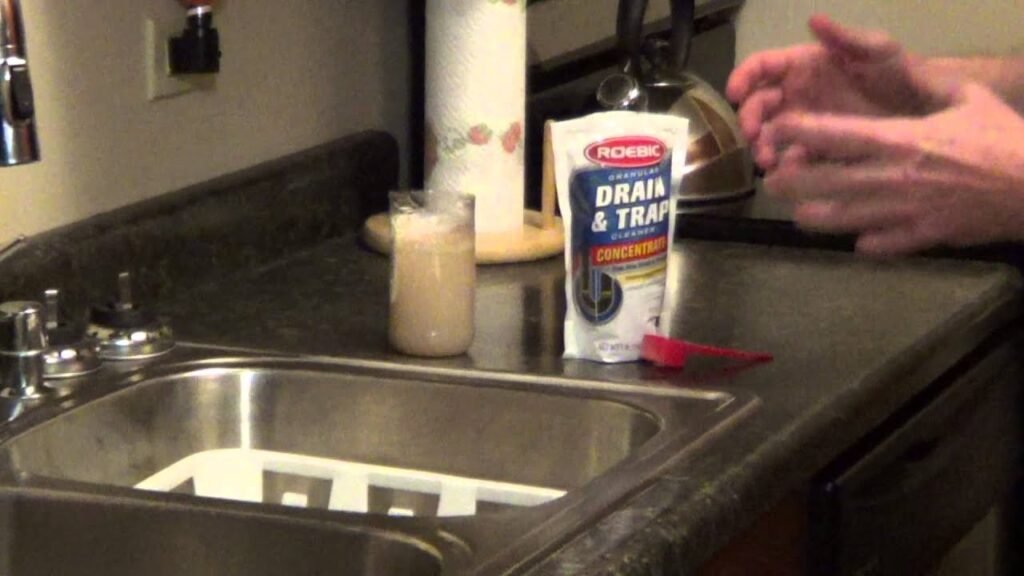
- Roebic K-97: Bacteria/enzyme blend. Pour monthly; clears hair and soap. $20/bottle.
- Bio-Clean: Universal septic maintainer. Backed by plumbers for tough organics.
Quick-Action Options
- Green Gobbler Enzyme Drain Cleaner: Plant-based, fizzing action. Safe for all pipes. $25.
- CLR Clear Pipes & Drains: Gel cuts hair clogs in hours. Septic-safe per tests.
Budget Picks
- Earthworm Drain Cleaner: Powder activates with water. Eco-warrior choice.
Pro tip: Alternate types for best results enzymes for prevention, oxygen for emergencies.
Essential Tools for DIY Drain Cleaning
Stock your kit with drain cleaner tools (yes, even safe ones need backup):
- Plunger (flange for toilets).
- Drain snake or zip-it tool.
- Bucket, gloves, old rag.
- Baking soda, vinegar (natural backups).
- Flashlight for peeking down drains.
Total cost: Under $30. Safety: Ventilate, wear gloves—enzymes are safe but messy.
Step-by-Step: How to Use Septic Safe Drain Cleaners
Ready to stop a slow drain? Follow this foolproof guide like your friendly plumber neighbor.
Prep Your Drain (5 mins)
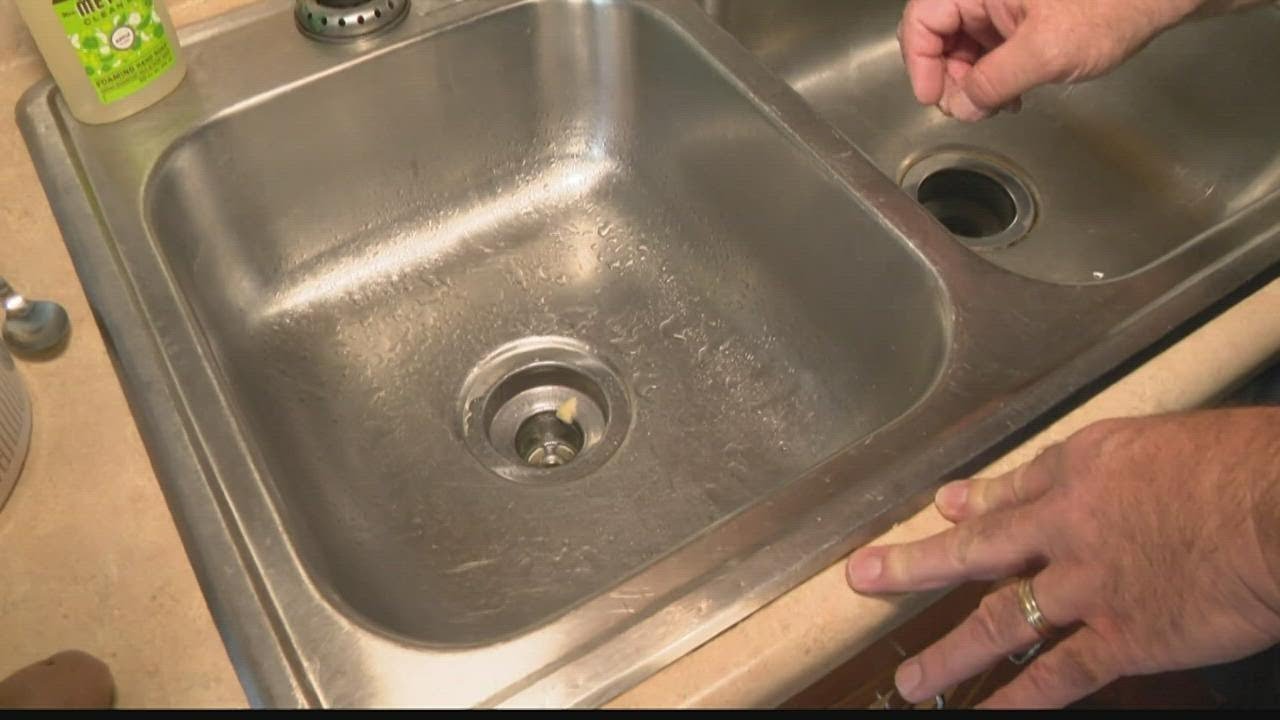
- Bail standing water with a cup/bucket.
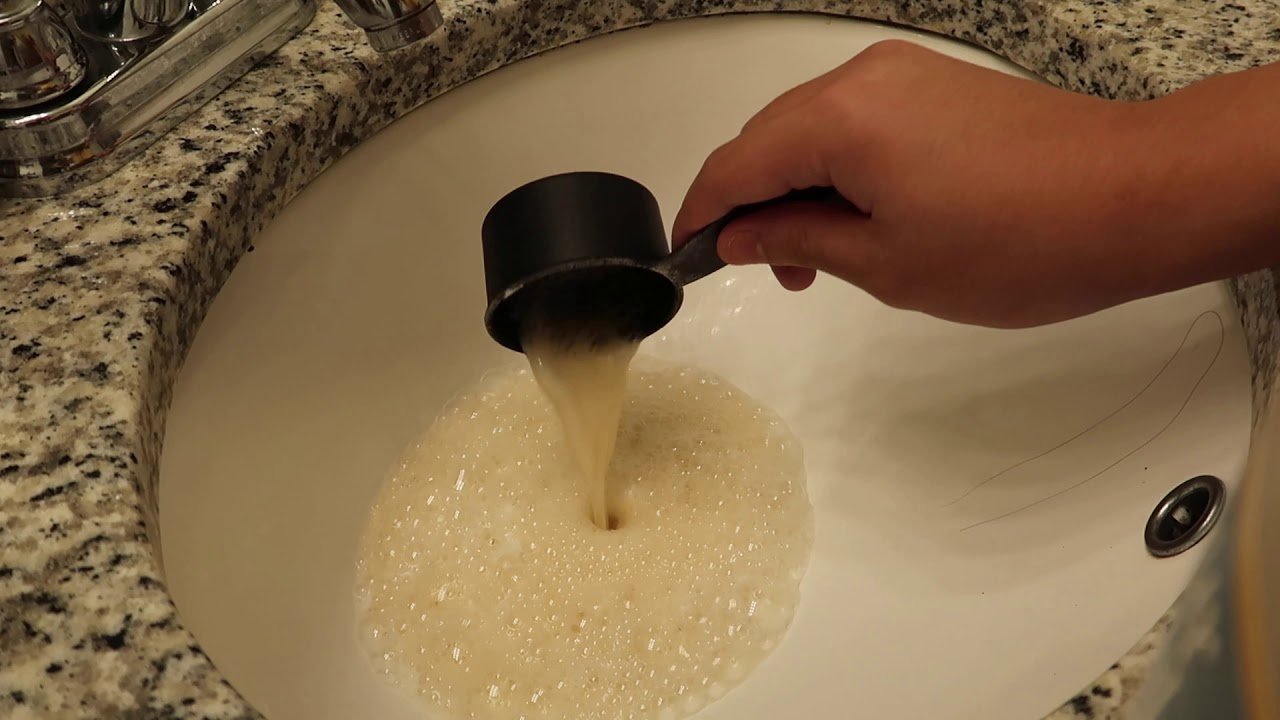
- Pour 1/2 cup baking soda down, followed by 1 cup hot vinegar. Fizz for 15 mins.
- Flush with boiling water (not on plastic pipes!).
Warning: No boiling water on PVC—lukewarm max.
Apply the Cleaner (10 mins)
For gel/enzyme types:
- Read label most need full bottle for clogs.
- Pour slowly into drain. Example: Green Gobbler sits 60 mins.
- Let dwell: Overnight for deep clogs.
Example: Kitchen grease? CLR gel cut through in 2 hours, no residue.
Flush and Test (5 mins)
- Blast hot water for 2 mins.
- Run faucet full blast 1 min.
- Plunge lightly if sluggish.
Common mistake: Rushing the dwell time. Patience = success.
For Stubborn Clogs: Snake + Cleaner Combo
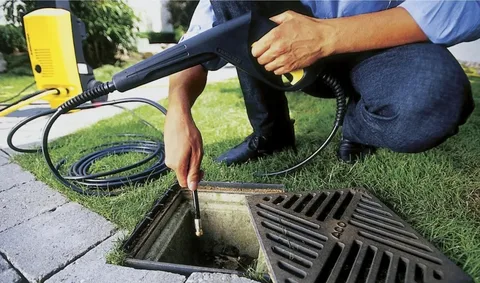
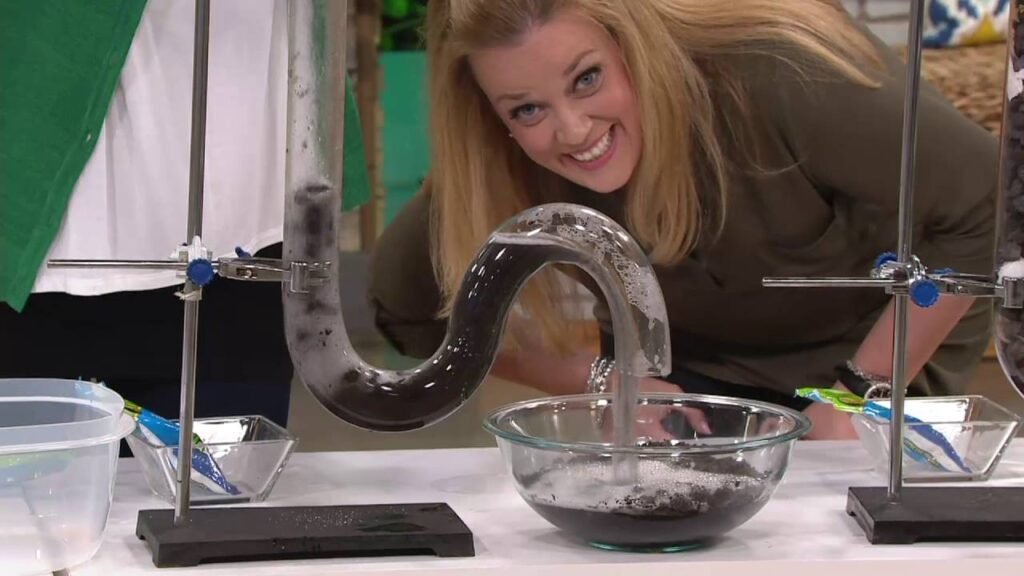
- Insert zip-it or snake 10-20 ft, twist gently.
- Pull gunk (hairball city!).
- Follow with septic safe drain cleaner to digest remnants.
Time: 30-60 mins. 90% success rate first try.
Natural DIY Septic Safe Alternatives
No store run? Whip up these easy plumbing tips:
Baking Soda Volcano:
- 1/2 cup soda + 1 cup vinegar.
- Cover 1 hour, flush hot.
Enzyme Booster:
- 1 yeast packet + sugar + warm water. Ferments overnight.
Citrus Power:
- Lemon juice + salt scrub. Grease gone!
Use weekly for prevention. Safer than chemicals, zero tank risk.
Common Mistakes to Avoid with Septic Safe Cleaners
DIYers trip here don’t be them:
- Overusing: Monthly max; kills efficacy.
- Mixing types: Enzymes + oxygen? Fine, but not with chemicals.
- Ignoring root causes: Tree roots? Call pros.
- Cold water flushes: Hot activates enzymes.
- PVC pipe abuse: No harsh plunging.
Warning: Strong odors post-clean? Ventilate and test air septic gases.
Maintenance Routine for Clog-Free Drains
Prevent common drain problems with this schedule:
- Weekly: Baking soda/vinegar rinse.
- Monthly: Dose septic safe drain cleaner.
- Quarterly: Septic additive like Rid-X.
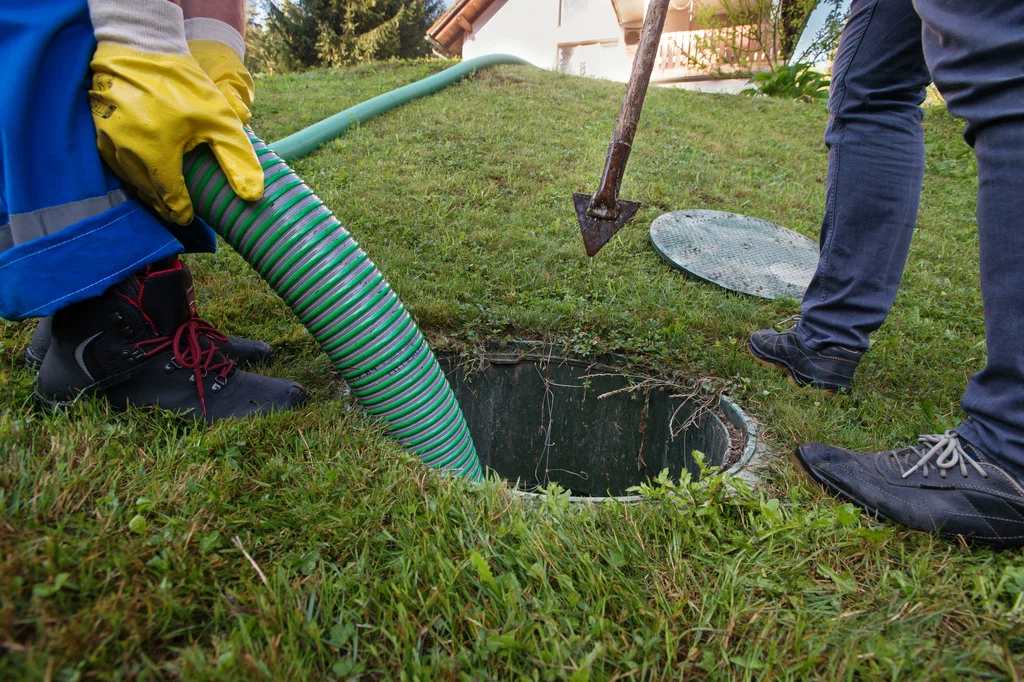
- Annually: Pump tank (every 3-5 years standard).
Track in a notebook. Cuts clogs by 70%.
When to Call a Pro
DIY limits:
- Persistent clogs after 2 tries.
- Sewage backups.
- Unknown pipe material.
- Gurgling whole-house.
Plumber cost: $150-300 vs. $1,000+ septic fix. Smart money.
Conclusion
We’ve covered the A-Z of septic safe drain cleaners from enzyme wonders and oxygen fizz to DIY hacks and pro tips. Key takeaways? Spot common drain problems like slow sinks early, choose labeled septic-safe products like Roebic or Green Gobbler, and follow those dwell-and-flush steps religiously. Pair with natural boosters and monthly maintenance to keep clogs at bay, protecting your tank’s bacteria army and your wallet.
Homeowners, you’re equipped now! Grab a bottle next grocery run, tackle that nagging drain, and breathe easy knowing you’re doing it right. Regular habits like these turn plumbing woes into non-issues, saving time, money, and headaches. Your septic will thank you with years of reliable service.
For more easy plumbing tips, check our guides on septic pumping schedules or grease trap hacks. Dive in, DIY on what’s your first clog fix?
Total Word Count: ~1650
FAQs: Septic Safe Drain Cleaners
1. Are all enzyme cleaners safe for septic?
Yes, if labeled “septic-safe.” They nourish bacteria, unlike harsh ones.
2. How long do septic safe cleaners take?
Gels: 1-2 hours. Enzymes: Overnight. Always check labels.
3. Can I use Drano with septic?
No—lye kills bacteria. Stick to enzyme/oxygen types.
4. What’s best for kitchen grease clogs?
Oxygen-based like CLR or citrus cleaners.
5. How often for septic maintenance?
Monthly cleaner dose + quarterly additives prevents 80% issues.