Imagine this: You’re showering, and suddenly the water starts draining slower than molasses. Or worse, your toilet gurgles like it’s possessed every time you flush. Sound familiar? These are classic signs of plumbing vent problems, and they’re more common than you might think in homes across the country.
Plumbing vents: Those pipes sticking out of your roof are the unsung heroes of your drainage system. They let air into the pipes, maintaining pressure so wastewater flows out smoothly. When they get blocked or damaged, it creates chaos: backups, foul odors, and even health hazards from sewer gases sneaking into your home.
As a homeowner or DIY enthusiast, spotting and tackling plumbing vent problems early can save you hundreds in plumber bills. In this guide, we’ll break down the causes, symptoms, and step-by-step fixes. No need for fancy tools just some basic know-how and elbow grease. Let’s dive in and get your plumbing breathing easy again!
What Are Plumbing Vents and Why Do They Matter?
Plumbing Vent Problems are vertical pipes connected to your drain-waste-vent (DWV) system. They poke through your roof and open to the sky, allowing fresh air to enter while sewer gases escape outside.
Without proper venting, a vacuum forms in the pipes. This sucks water out of traps (those U-shaped bends under sinks and toilets), letting stinky gases invade your bathrooms and kitchens. Healthy vents ensure balanced air pressure for quick, odor-free draining.
Common plumbing vent issues pop up in older homes or after storms, but ignoring them leads to bigger headaches like sewage backups. Understanding this basics empowers you for DIY plumbing vent repair.
Spotting the Top Signs of Plumbing Vent Problems
Before you grab your tools, learn to recognize trouble. Here are the most telling symptoms:
- Slow drains everywhere: Water pools in sinks, tubs, or showers instead of whooshing away.
- Gurgling noises: Toilets or drains make bubbly sounds as air fights to enter.
- Foul sewer smells indoors: That rotten egg stench means gases are bypassing traps.
- Multiple fixtures acting up at once: If flushing one toilet slows another sink, vents are likely clogged.
- Backup overflows: Water reverses direction, flooding floors.
If you’re seeing 2-3 of these, congratulations you’ve nailed plumbing vent troubleshooting. Act fast to avoid water damage or health risks.
Common Causes of Plumbing Vent Problems
Plumbing vent problems don’t happen overnight. Pinpointing the cause makes fixes easier. Here’s what usually goes wrong:
Debris and Blockages
Leaves, bird nests, or even ice in winter clog roof vents. In urban areas like Lahore, dust and monsoon debris are culprits too.
Crushed or Damaged Pipes
Tree roots, heavy roof traffic, or settling foundations bend vents, restricting airflow.
Improper Installation
DIY gone wrong or outdated home builds often have undersized or poorly placed vents.
Frost or Ice Caps
In colder climates, ice seals vents shut though less common in warmer spots, sudden freezes surprise everyone.
Pro tip: Inspect vents annually. A quick ladder check reveals 80% of issues.
Essential Tools for DIY Plumbing Vent Repair
Tackling plumbing vent problems at home? Stock these faucet repair tools wait, plumbing vent tools, that is:
- Ladder (stable, extendable)
- Flashlight and gloves
- Plumbing snake or auger
- Garden hose with spray nozzle
- Pipe cutter and PVC cement (for repairs)
- Vent cap cleaner or wire brush
Safety first: Wear goggles and harness on roofs. No heroics if you’re uncomfortable at heights call a pro.
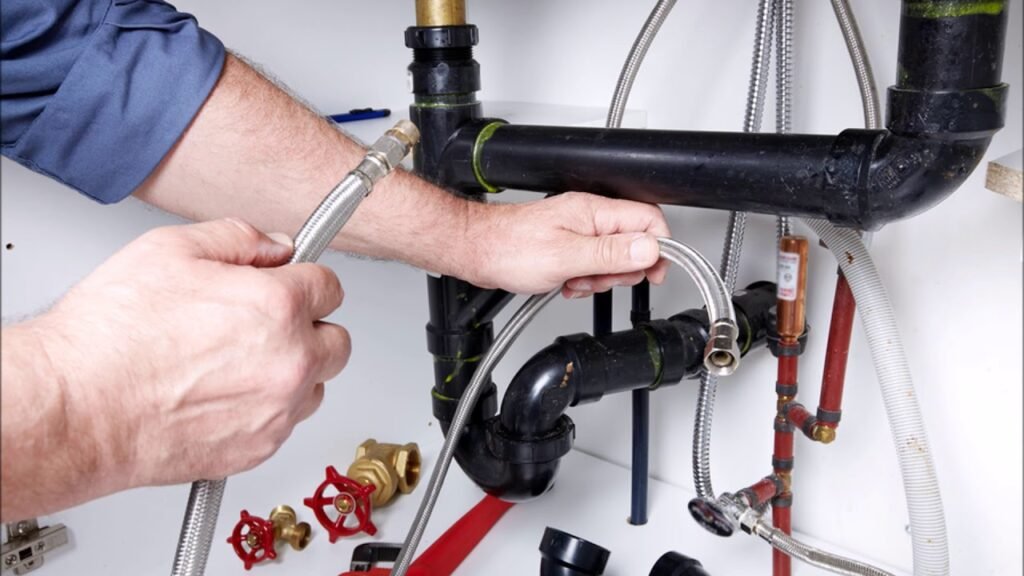
Step-by-Step Guide: How to Fix Plumbing Vent Problems
Ready for action? Follow this DIY plumbing vent repair blueprint. We’ll cover cleaning first, then repairs.
Step 1: Safety Check and Locate Vents
Climb to your roof (dry day only) and count vents one per fixture ideally, or shared stacks. Note clogs or damage.
Warning: Wet roofs are slippery death traps. Skip if stormy.
Step 2: Clear Roof Vent Blockages
- Remove vent cap with pliers.
- Poke a plumbing snake down 10-15 feet to dislodge debris.
- Flush with a hose from inside (remove trap under a sink on that line).
Test: Run water in multiple fixtures. Drains should speed up.
Step 3: Snake from Inside for Stubborn Clogs
Access the vent stack via a cleanout plug or by removing a toilet (tough but doable).
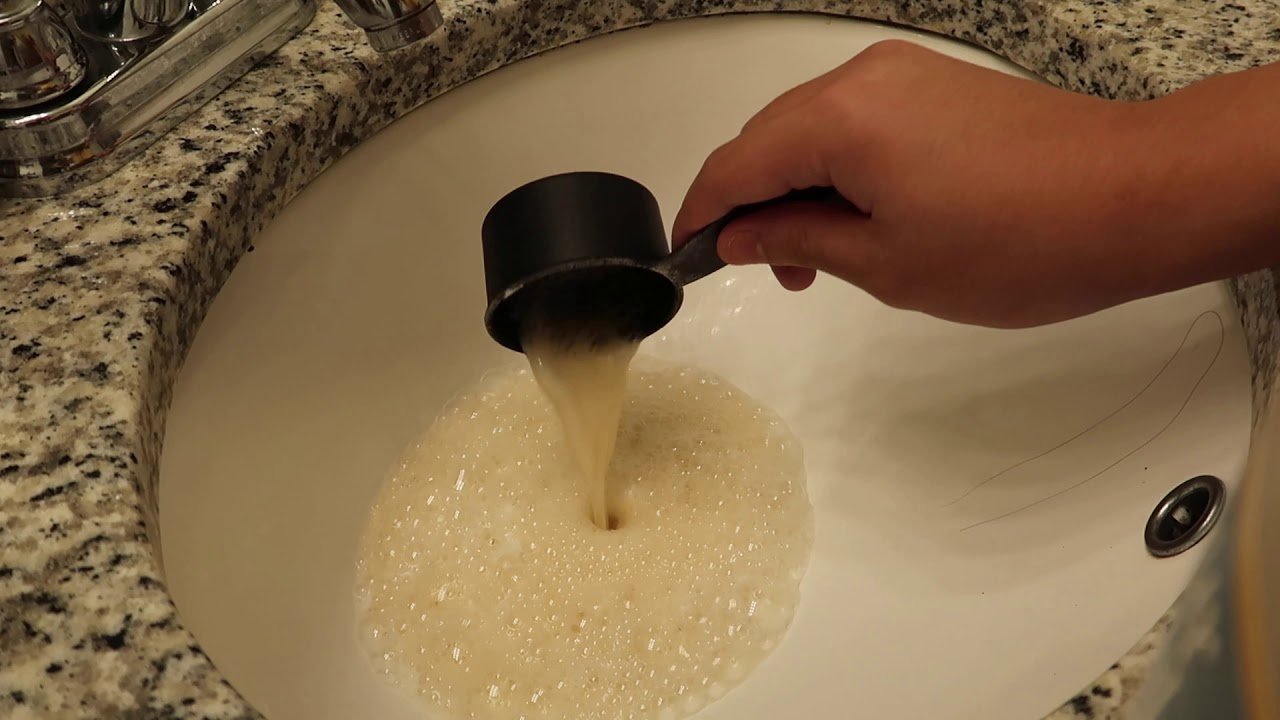
- Pour 1/2 cup baking soda + vinegar down the drain; wait 30 mins.
- Insert auger, crank clockwise 20-30 feet.
- Flush with hot water.
Common mistake: Forcing too hard twist gently to avoid pipe cracks.
Step 4: Repair Damaged Vents
For crushed sections:
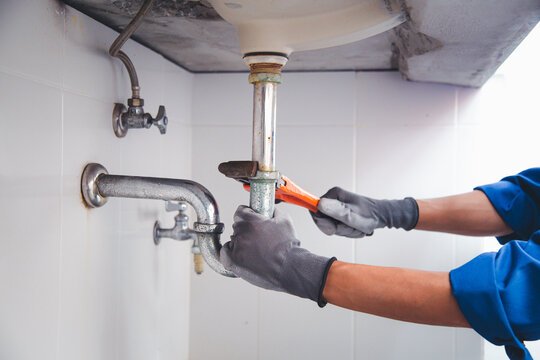
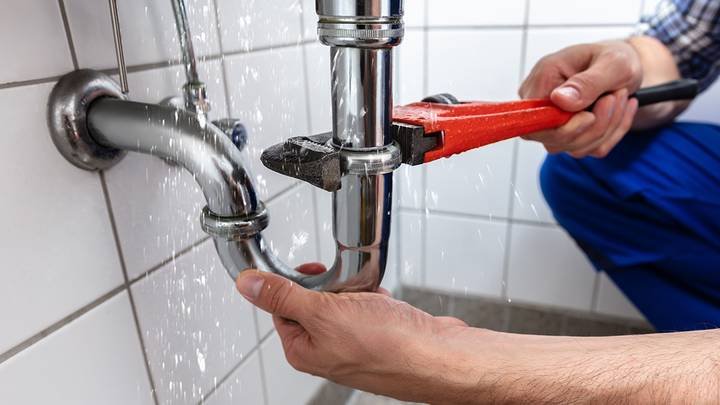
- Cut out bad pipe with a hacksaw.
- Measure and dry-fit new PVC pipe.
- Glue with primer and cement; let cure 2 hours.
Example: My buddy fixed a root-invaded vent this way, saving $500 on a plumber.
Step 5: Install or Upgrade Vent Caps
Screw on mesh caps to block critters. Add extenders if trees loom nearby.
Easy plumbing vent tips: Seal roof flashings with silicone to prevent leaks.
Full fix time: 1-3 hours. Cost: Under $50 for most homeowners.
Advanced Plumbing Vent Troubleshooting for Tricky Cases
If basics fail, dig deeper into common plumbing vent issues:
- Wet venting problems: Shared vents overload during multi-fixture use. Solution: Add a dedicated vent pipe (permit needed).
- Offset vents: Horizontal runs too long? Reconfigure per code (usually 1/4 inch drop per foot).
- Siphoning traps: Low vents pull trap water. Raise or loop vents higher.
Test post-fix: Fill tub, drain while flushing toilet no gurgle means success!
Warnings:
- Never ignore sewer gas it’s explosive.
- Check local codes; some fixes need inspection.
- Avoid chemical cleaners; they corrode pipes.
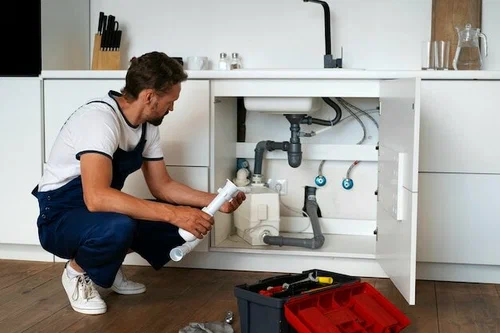
Prevention: Easy Plumbing Vent Tips to Keep Problems Away
Don’t wait for plumbing vent problems to return. Here’s your maintenance playbook:
- Annual roof sweep: Clear leaves quarterly.
- Install screens: Bird-proof every vent.
- Tree trimming: Keep roots 10+ feet away.
- Winter prep: Insulate exposed pipes.
- Monitor usage: Avoid simultaneous heavy draining.
These habits cut issues by 90%. Track with a home maintenance app for reminders.
When to Call a Professional Plumber
DIY rocks, but bail if:
- Multiple backups persist.
- Roof access is impossible.
- You smell gas strongly (evacuate!).
- Pipes are cast iron (fragile).
Pros have cameras for internal scoping worth it for $200-400 vs. $2,000 floods.
Conclusion
Plumbing vent problems like slow drains, gurgles, and odors steal your peace, but Plumbing Vent Problems fixable with the right know-how. We’ve covered spotting signs, common causes, step-by-step DIY plumbing vent repair, tools, and prevention to keep your system humming.
Grab your ladder, try these fixes, and maintain regularly your wallet and nose will thank you. Regular checks prevent most woes, turning you into a plumbing pro.
Check our other plumbing guides for more easy plumbing tips, like unclogging drains or winterizing pipes. Happy fixing!
Frequently Asked Questions (FAQs) About Plumbing Vent Problems
1. How do I know if my plumbing vent is clogged?
Slow drains in multiple fixtures, gurgling, or sewer smells are dead giveaways. Check roof vents for debris.
2. Can I fix plumbing vent problems myself?
Yes, for simple clogs use a snake and hose. Complex damage? Call a pro to avoid worsening it.
3. Why do plumbing vents go through the roof?
They vent gases safely outside and pull air in without freezing or animal entry at lower levels.
4. How much does professional plumbing vent repair cost?
$150-500 typically, depending on access and parts. DIY often slashes this.
5. How often should I inspect my vents?
Twice yearly spring and fall for leaves, nests, or damage.
Would you like me to adjust the tone, add images suggestions, or expand on any section?