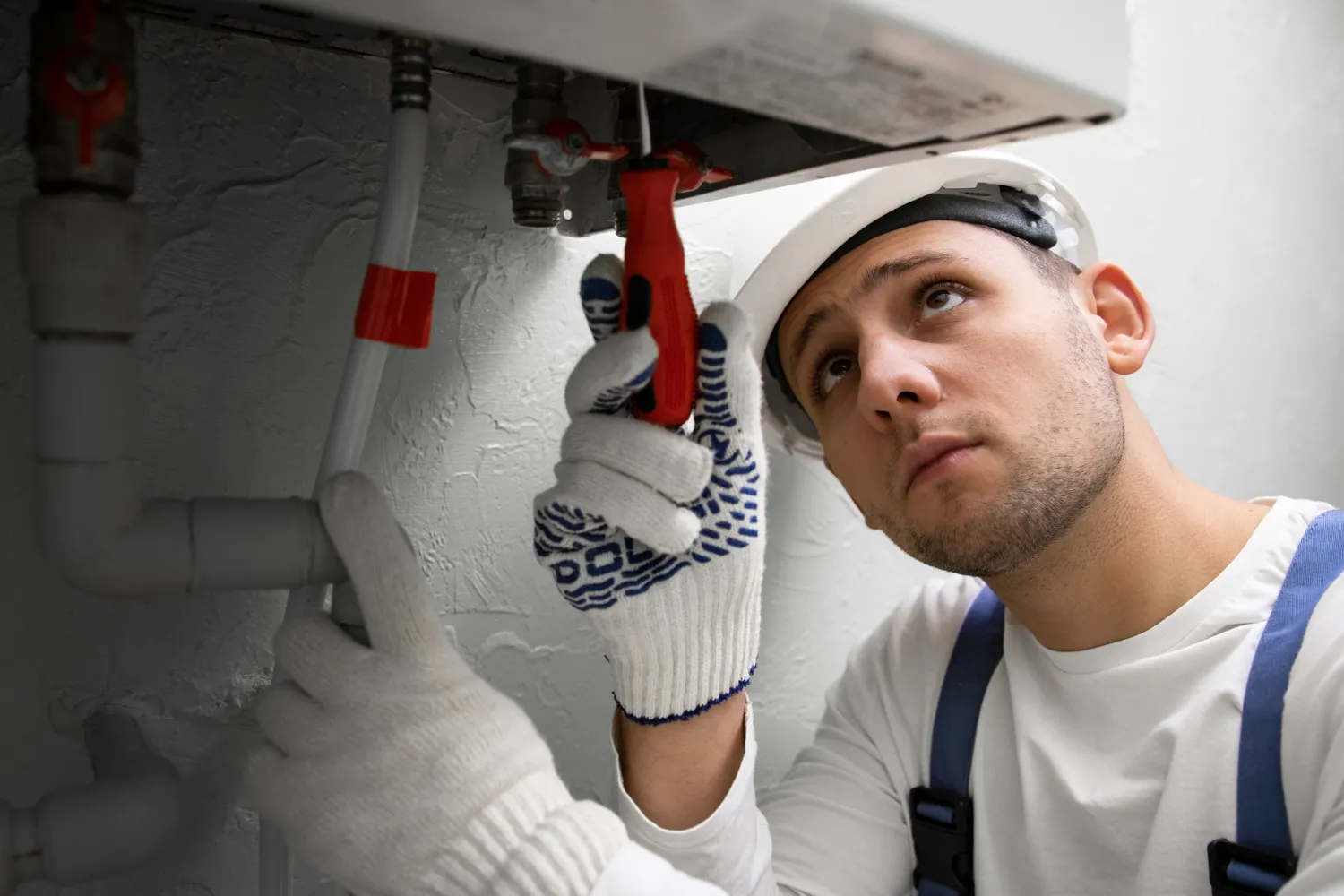
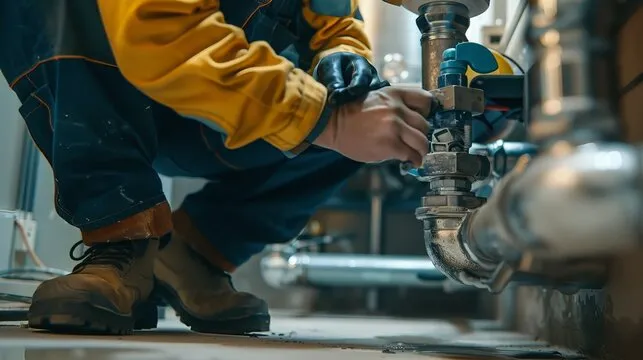
Flushing your water heater is one of the most important maintenance tasks you can do to extend its life and keep it running efficiently. Over time, sediment and mineral deposits settle at the bottom of the tank, causing strange noises, reduced heating efficiency, and even leaks.
If you’re wondering how to flush a water heater, this guide will walk you through the process safely and effectively. Whether you have an electric or gas water heater, performing regular flushes can prevent costly repairs and ensure your hot water system works reliably all year round.
Why You Should Flush Your Water Heater
Many homeowners neglect their water heaters until problems arise. Flushing your tank regularly has several benefits:
- Removes sediment buildup that can damage the tank
- Improves heating efficiency and reduces energy bills
- Eliminates popping or rumbling noises caused by sediment
- Prevents corrosion and leaks
- Extends the lifespan of your water heater
Routine maintenance keeps your system operating smoothly and helps you avoid expensive replacements.
Tools You’ll Need
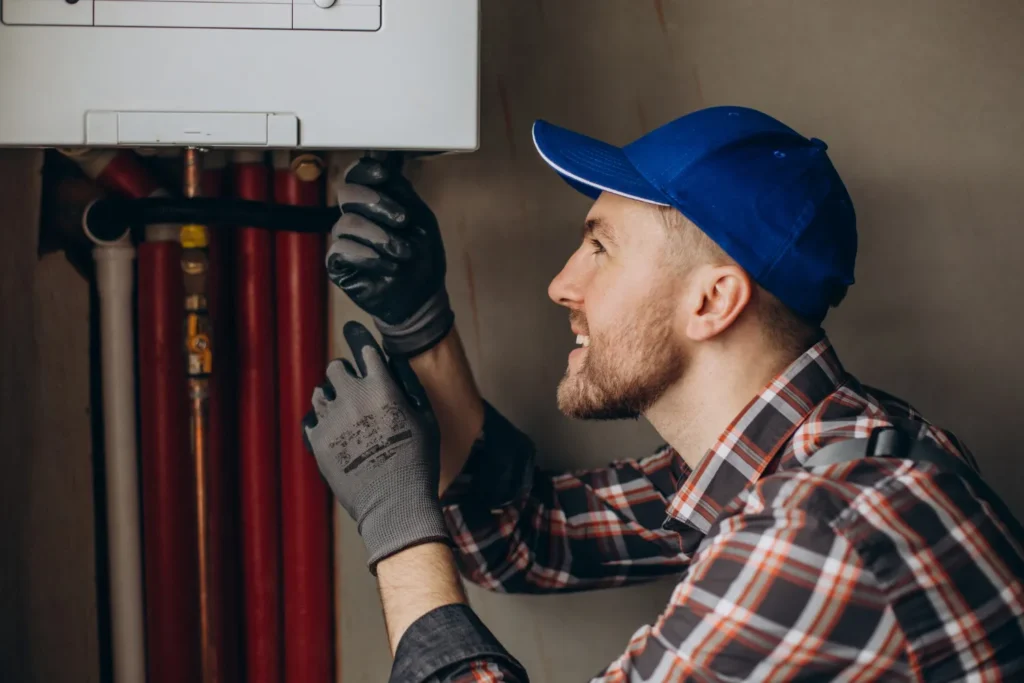
Before flushing your water heater, gather the following items:
- Garden hose (long enough to reach a drain)
- Bucket (optional)
- Flathead screwdriver
- Work gloves
- Towels or rags
Ensure your drain area can safely handle hot water. A floor drain, utility sink, or driveway is ideal.
How to Flush a Water Heater (Step-by-Step)
Follow these steps carefully to flush your water heater safely.
1. Turn Off the Power or Gas
- Electric water heater: Switch off the breaker at the electrical panel.
- Gas water heater: Set the thermostat to “Pilot” or turn off the gas supply.
Never flush a water heater while it’s actively heating.
2. Shut Off the Cold Water Supply
Close the cold water valve at the top of the heater. This prevents new water from entering the tank while you flush it.
3. Attach a Garden Hose to the Drain Valve
- Connect the hose to the drain valve at the bottom of the tank.
- Direct the other end to a safe drainage location.
Gravity will allow the water to flow out of the tank. Make sure the hose is secure to avoid leaks or burns.
4. Open the Pressure Relief Valve
Lift the pressure relief valve slightly. This allows air into the system, helping the tank drain faster and safely.
5. Drain the Water Heater
- Open the drain valve slowly and let the water flow out.
- If water flow is slow, sediment may be clogging the valve. You can briefly open the cold water supply to stir sediment and continue draining.
- Repeat until the water runs clear.
6. Flush the Tank
Once drained, briefly turn on the cold water supply to flush remaining sediment from the tank. Let it run for a few minutes until the water flows clean. Then close the drain valve and remove the hose.
7. Refill the Water Heater
- Turn the cold water supply back on.
- Leave a hot water faucet open in your home to release trapped air.
- Once water flows smoothly from the faucet, close it.
- Restore power or gas to the heater.
How Often Should You Flush a Water Heater?
- Once a year in normal conditions
- Every 6 months in areas with hard water
Regular flushing prevents sediment buildup and keeps your water heater efficient.
Common Mistakes to Avoid
- Forgetting to turn off power or gas before draining
- Draining when water is extremely hot
- Not opening a faucet to release air
- Leaving sediment in the tank
- Forcing stuck valves
If a valve is stuck or leaking, stop immediately and call a professional.
When to Call a Professional
Some situations require expert help:
- Drain valve won’t open or is leaking
- Tank is heavily rusted
- Water heater is still noisy after flushing
- Hot water supply is inconsistent
A licensed technician can flush, repair, or replace your water heater safely.
Conclusion
Flushing your water heater is a simple yet crucial maintenance task that prolongs its lifespan, improves efficiency, and ensures consistent hot water. By following this step-by-step guide, you can flush your electric or gas water heater safely at home.
If you’re unsure about any step or your system is old, noisy, or heavily corroded, a professional assessment is the safest option. Regular maintenance today prevents expensive problems tomorrow and keeps your water heater running smoothly for years to come.