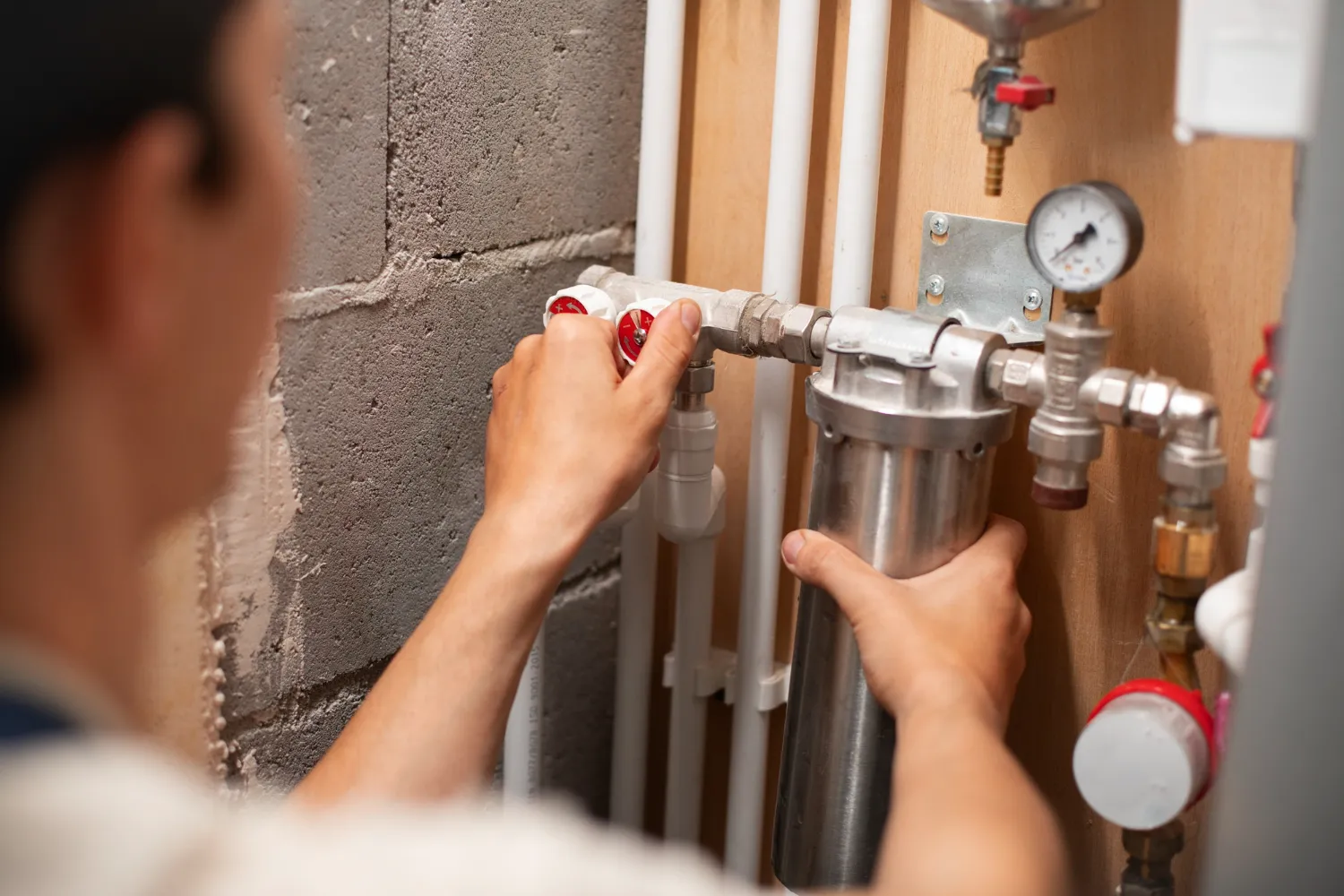
A water heater leaking is one of the most common and urgent plumbing problems homeowners face. Leaks can cause water damage, reduce the efficiency of your heater, and in severe cases, damage floors, walls, and ceilings.
If you’ve noticed water pooling around your water heater, dripping from pipes, or damp spots near your tank, it’s crucial to identify the source and address it quickly. This guide covers the main causes of water heater leaks, how to fix them, and prevention tips to keep your system running efficiently for years.
Why Water Heaters Leak
Water heaters can leak for a variety of reasons, often depending on age, installation, or maintenance. Understanding the root cause is essential before attempting any repair.
Common reasons include:
- Corrosion: Over time, the tank or pipes may rust, causing leaks.
- Loose connections: Water supply or outlet connections may loosen and drip.
- Pressure relief valve issues: If the valve malfunctions, water can escape.
- Sediment buildup: Accumulated minerals can create pressure and cracks in the tank.
- Old or damaged water heater: Most tanks last 8-12 years; beyond this, leaks are more common.
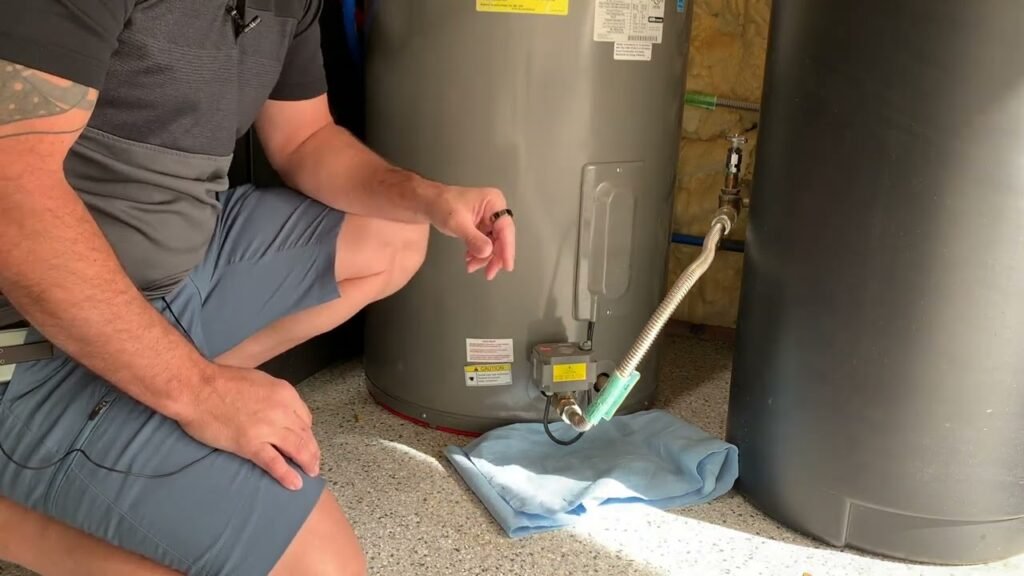
Signs Your Water Heater Is Leaking
Recognizing early warning signs can prevent costly damage:
- Puddles or water pooling around the base
- Rust-colored water from taps
- Hissing or dripping sounds near the tank
- Reduced hot water output
- Corrosion or moisture on tank or pipes
If you notice any of these signs, inspect your water heater immediately.
Identifying the Source of the Leak
To fix a water heater leak effectively, locate the source first:
1. Leaking from the Top
- Usually caused by loose water inlet/outlet connections
- Check pipe fittings and tighten if necessary
2. Leaking from the Bottom
- Often indicates tank corrosion or sediment buildup
- May require full tank replacement
3. Leaking from the Temperature and Pressure (T&P) Relief Valve
- Pressure is too high, or valve is faulty
- Inspect for proper operation and replace if needed
4. Leaking Around Drain Valve
- Valve may be loose, corroded, or damaged
- Tighten or replace valve
How to Fix a Water Heater Leak
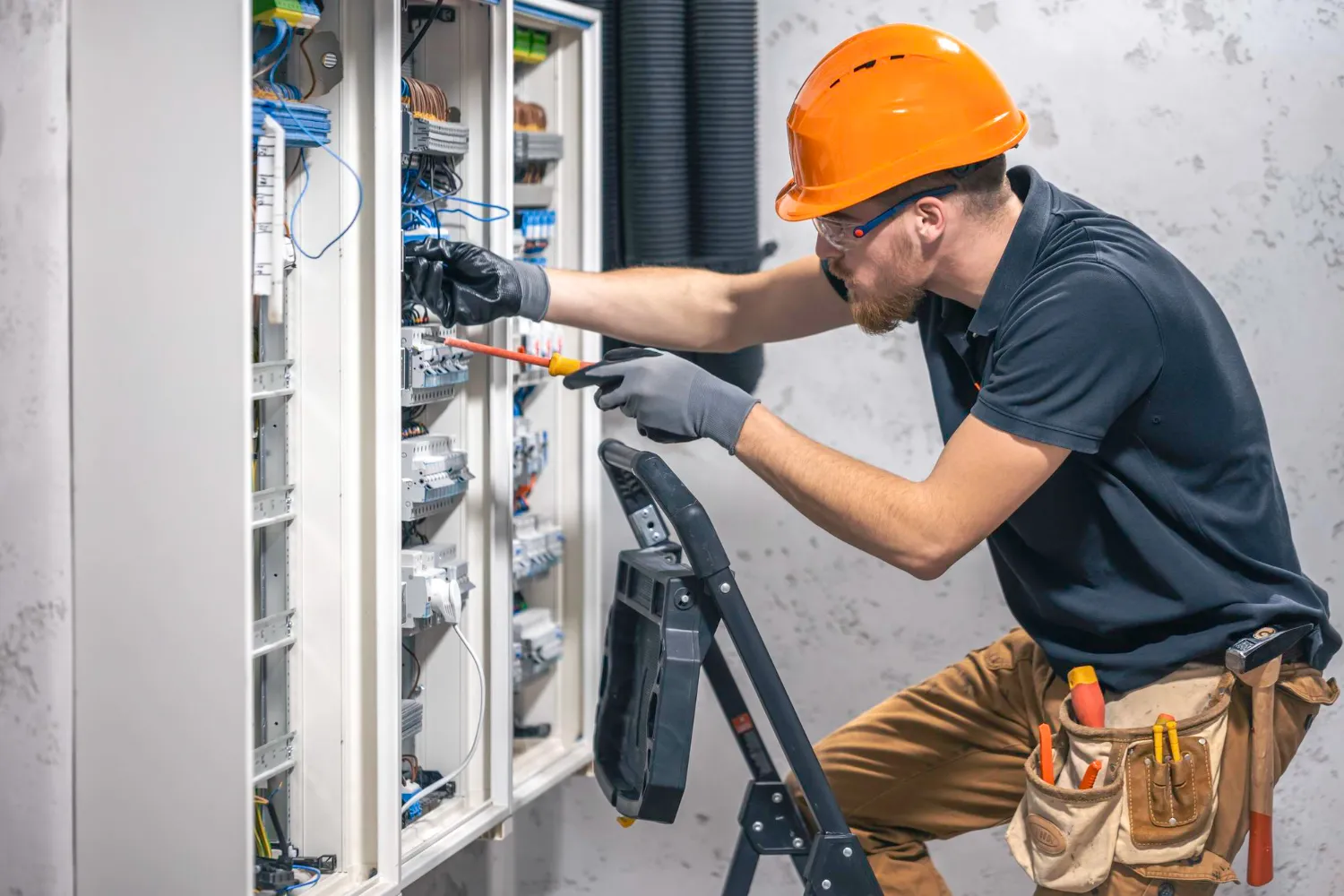
Safety first: Always turn off the water heater and power supply before attempting any repair. For gas units, turn off the gas.
Step 1: Turn Off Water and Power/Gas
- Electric: Switch off breaker
- Gas: Turn gas valve to “Pilot” or off
- Shut off cold water supply to prevent flooding
Step 2: Drain the Water Heater (If Needed)
- Attach a garden hose to the drain valve
- Drain enough water to reach the leak area
- Open a hot water faucet in the house to release pressure
Step 3: Tighten Loose Connections
- Inspect inlet/outlet pipe fittings
- Use a wrench to secure connections
- Check for dripping after re-pressurizing
Step 4: Replace Faulty T&P Valve or Drain Valve
- If leaking persists at the T&P valve, replace it
- Leaking drain valves can also be swapped with a new one
Step 5: Repair or Replace Tank
- Leaks from the bottom or rusted tank usually mean replacement
- Consult a professional plumber if corrosion is severe
DIY vs Professional Repair
While some leaks are simple to fix, many require professional help:
- DIY: Loose connections, minor T&P valve leaks, small drain valve issues
- Professional: Corroded tanks, persistent leaks, gas unit repairs, major pipe damage
Hiring a licensed plumber ensures safety and compliance with local codes, especially for gas water heaters.
How to Prevent Water Heater Leaks
Routine maintenance is key to preventing leaks and extending your water heater’s lifespan:
- Annual flushing: Removes sediment that can corrode the tank
- Inspect valves and pipes: Check for corrosion, rust, and loose fittings
- Maintain proper water pressure: Excessive pressure can trigger leaks
- Replace aging units: Most water heaters last 8–12 years; plan ahead for replacement
- Use a water softener: Reduces mineral buildup in hard water areas
When to Replace Your Water Heater
Even with repairs, older water heaters may need replacement:
- Frequent leaks or repairs
- Rust and corrosion inside the tank
- Reduced hot water supply
- Age exceeds 10-12 years
A new water heater prevents repeated leaks and ensures consistent hot water.
Common Mistakes to Avoid
- Ignoring small leaks: They usually get worse over time
- Attempting complex repairs on gas water heaters without experience
- Over-tightening fittings, causing cracks or breaks
- Skipping annual maintenance and flushing
- Not installing a drip pan for floor mounted heaters
How Much Does a Water Heater Leak Repair Cost?
Repair costs depend on the source of the leak:
| Leak Source | Estimated Cost |
|---|---|
| Loose connections | $50 – $150 |
| T&P valve replacement | $75 – $200 |
| Drain valve replacement | $50 – $120 |
| Tank replacement | $800 – $2,500 |
Professional installation ensures long-term safety and efficiency.
Conclusion
A water heater leaking is a serious problem that requires immediate attention. Whether the leak is minor or caused by tank corrosion, identifying the source and taking proper action can prevent costly water damage and prolong your heater’s life.
Regular maintenance, annual flushing, and timely inspection of valves and pipes can prevent leaks before they start. For persistent or severe leaks, hiring a licensed plumber is the safest approach.
Don’t wait until a small drip becomes a major flood inspect, maintain, and repair your water heater to keep your home safe and your hot water flowing reliably.