Those Annoying Little Black Flies? You’ve Got Drain Flies
Fruit Fly Drain Cleaner: You’ve seen them. Those small, fuzzy, moth-like insects hovering around your kitchen sink or lurking in your shower. You swat one, and three more seem to appear in its place. While many people mistake them for fruit flies, you’re likely dealing with a different pest: drain flies. These unwelcome guests thrive in the organic gunk that builds up inside your pipes.
It’s a common problem for homeowners. One day your drains are working fine, and the next, you have a persistent cloud of tiny insects that just won’t go away. This isn’t just an annoyance; it’s a sign that your drains need a good cleaning. The buildup of hair, soap scum, grease, and food particles creates the perfect breeding ground for drain fly larvae. Ignoring them means the infestation will only grow. Getting rid of them for good requires more than just a chemical spray; it requires eliminating their home and food source. This guide will walk you through exactly how to do that, offering simple DIY drain cleaning methods to reclaim your home.
Understanding Your Unwanted Houseguests: Drain Flies vs. Fruit Flies
Before you can effectively treat the problem, you need to be sure you know what you’re up against. It’s easy to confuse drain flies and fruit flies, but they are very different pests with different habits and require different elimination strategies.
Identifying Drain Flies
- Appearance: Drain flies (also known as moth flies, sewer flies, or filter flies) have small, fuzzy, dark-colored bodies and wings that give them a moth-like appearance. Their wings are large for their body size and held over their back in a tent-like shape when they rest.
- Behavior: They are weak fliers and tend to make short, hopping flights. You’ll almost always find them near drains—in sinks, showers, bathtubs, and floor drains. They are most active in the evening and are drawn to lights.
- Breeding Grounds: Drain flies lay their eggs in the gelatinous, organic film (called biofilm) that lines the inside of your pipes. The larvae hatch and feed on this sludge before emerging as adult flies.
Identifying Fruit Flies
- Appearance: Fruit flies are typically tan or light brown with red eyes. They have a more classic “fly” shape, with smaller wings and a more rounded body than drain flies.
- Behavior: They are stronger fliers and tend to hover in groups. You’ll find them buzzing around overripe fruit on the counter, in the garbage can, recycling bin, or near spilled juice or alcohol.
- Breeding Grounds: Fruit flies lay their eggs directly on fermenting organic matter. A forgotten banana, a sticky spot on the counter, or a damp mop can all become a nursery for them.
The key difference is the location. If the flies are centered around your sink or shower drain, you have drain flies. If they are more interested in your fruit bowl or garbage can, they are fruit flies.
How to Confirm a Drain Fly Infestation
If you’re still not sure, here is a simple test you can perform to confirm if your drains are the source of the problem. This is one of the most useful home pest control tips for pinpointing an infestation.
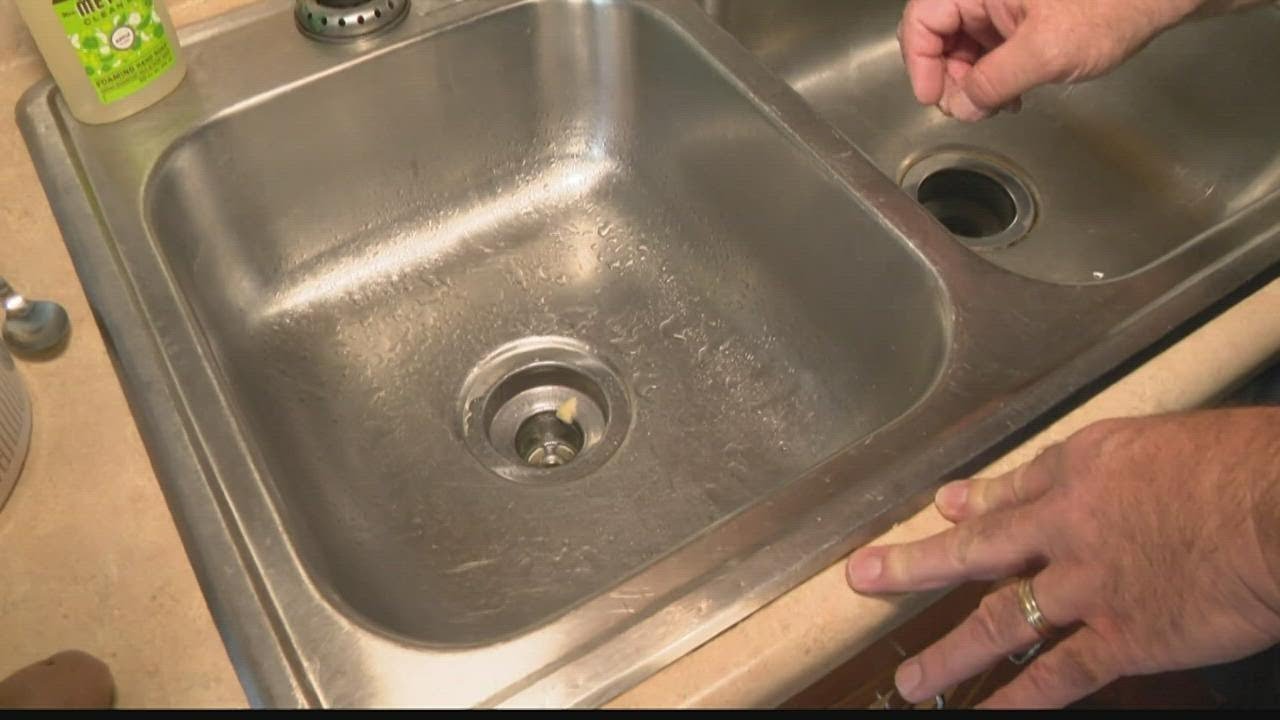
- Clean and Dry the Drain: Make sure the sink or shower area is completely dry. Do not run any water down the drain for several hours, preferably overnight.
- Set the Trap: Take a piece of clear packing tape, sticky side down, and place it over the drain opening. Don’t seal it completely; leave some space for air to flow. Alternatively, you can coat the inside of a clear plastic cup with a thin layer of petroleum jelly or vegetable oil and place it upside down over the drain.
- Wait Patiently: Leave the tape or cup in place overnight, or for at least 8 hours.
- Check the Results: The next morning, inspect the tape or cup. As adult flies emerge from the drain, they will get stuck to the sticky surface. If you find small, fuzzy insects on your trap, you have officially confirmed a drain fly infestation.
Now that you know the enemy, it’s time to go on the offensive.
Step-by-Step Guide: How to Get Rid of Drain Flies for Good
Getting rid of drain flies is a two-part process. First, you need to kill the existing adult flies and larvae. Second, and most importantly, you must eliminate their breeding ground by thoroughly cleaning the pipes. Skipping the second step means they will simply come back.
Step 1: The Initial Knockdown (Physical and Boiling Water Methods)
Before you deep clean, start by reducing the current population.
- The Swatter: A good old-fashioned fly swatter is effective for killing the adult flies you see hovering around. This provides immediate, albeit temporary, relief.
- Boiling Water Flush: Boil a large pot of water (about half a gallon to a gallon) and carefully pour it directly down the infested drain. Do this once a day for about a week. The scalding water will help kill any larvae and wash away some of the loose gunk.
- Important Note: Do not use boiling water on PVC pipes, as the high heat can soften the plastic and damage the pipe joints. If you have PVC pipes, use the hottest water from your tap instead.
Step 2: The Deep Clean (Eliminating the Biofilm)
This is the most critical step. You must remove the slimy biofilm where the flies are breeding.
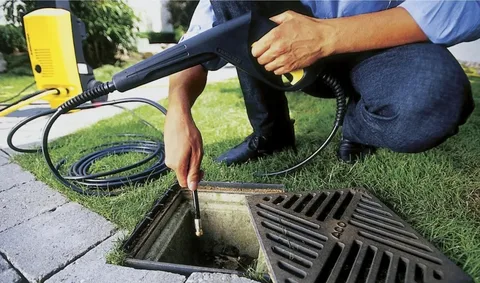
- Gather Your Tools: You will need a good pipe brush or drain snake. A metal pipe brush is ideal for this task. You can find these at any hardware store. You’ll also want rubber gloves and eye protection.
- Scrub the Pipes: Remove the drain stopper or cover. Insert the pipe brush into the drain and scrub the inside of the pipe as far down as you can reach. Move the brush up and down and in a circular motion to physically break up and dislodge the slimy buildup. You’ll be surprised (and probably a little grossed out) by what comes out.
- Rinse Thoroughly: After scrubbing, flush the drain with hot water to wash away all the dislodged debris.
Step 3: Natural and DIY Drain Cleaner Solutions
After the initial scrub, follow up with a cleaner to dissolve the remaining organic material. Many effective solutions can be made from common household items.
Baking Soda and Vinegar Method
This classic combination is a fantastic natural drain cleaner that fizzes and expands to scrub the pipes from within.
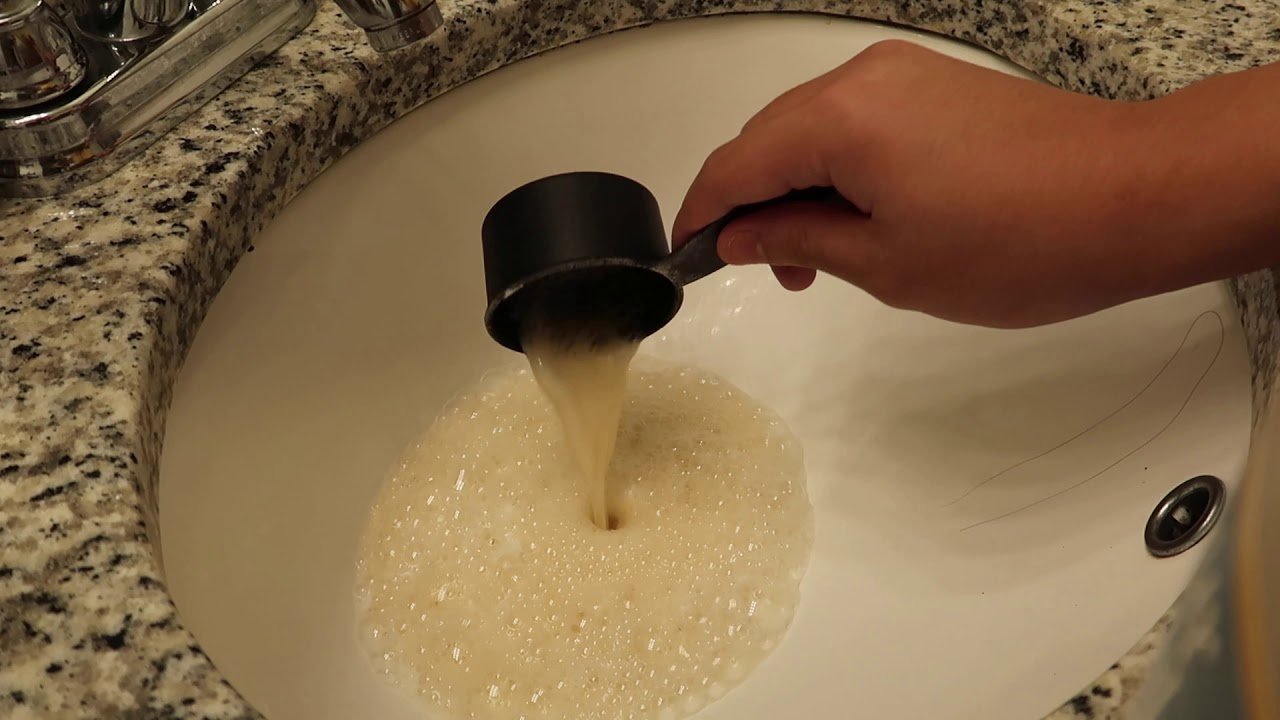
- Pour about half a cup of baking soda down the drain.
- Slowly follow it with one cup of white vinegar. The mixture will immediately start to foam and bubble.
- Place a drain plug or cover over the opening to contain the reaction within the pipe.
- Let it sit for at least an hour, or even overnight for a severe infestation.
- Finish by flushing the drain with a pot of very hot or boiling water (again, use hot tap water for PVC pipes).
Salt, Baking Soda, and Vinegar Method
Adding salt to the mix creates a gentle abrasive that helps scrub away stubborn grime.
- Combine half a cup of salt and half a cup of baking soda. Pour the mixture down the drain.
- Pour one cup of white vinegar down the drain and cover it.
- Let the mixture work its magic overnight.
- In the morning, flush with hot or boiling water.
Step 4: Using Enzymatic Drain Cleaners
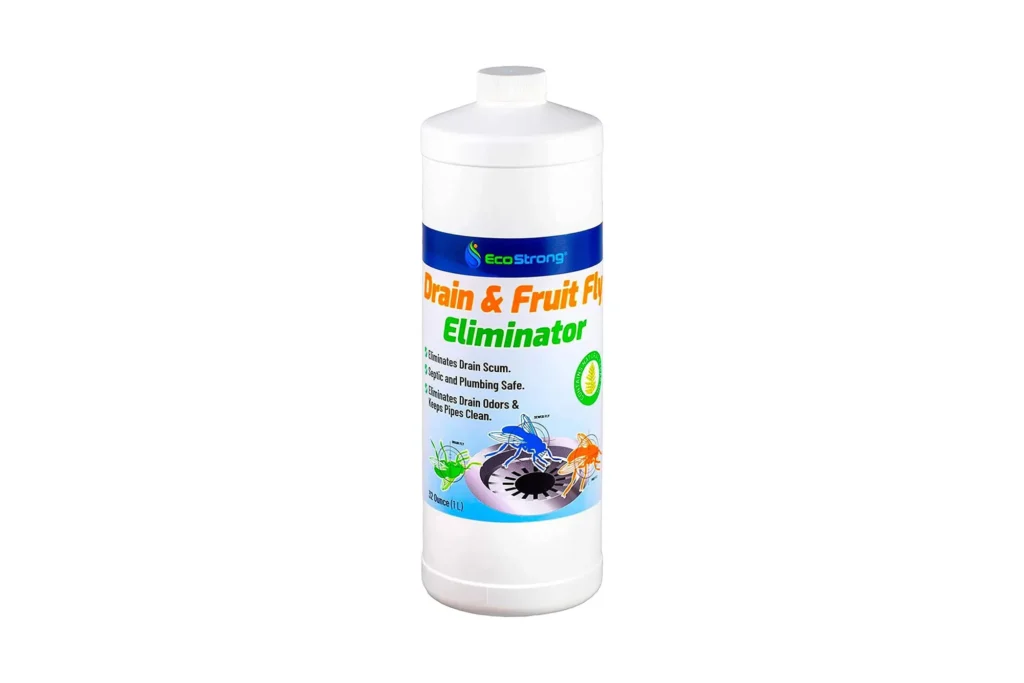
For a powerful, non-corrosive option, consider an enzymatic drain cleaner. These products use beneficial bacteria and enzymes to digest organic waste like hair, grease, and food particles without harming your pipes. They are an excellent choice for completely eradicating the drain fly food source.
- How They Work: The enzymes specifically target and break down the biofilm, effectively starving the drain fly larvae.
- How to Use: Follow the product instructions carefully. Typically, you will pour a specified amount into the drain at night or during a period of low use to allow the enzymes to work undisturbed for several hours.
- Why They’re Great: They are safe for all types of plumbing, including old pipes and septic systems. This is a highly effective method for both elimination and prevention.
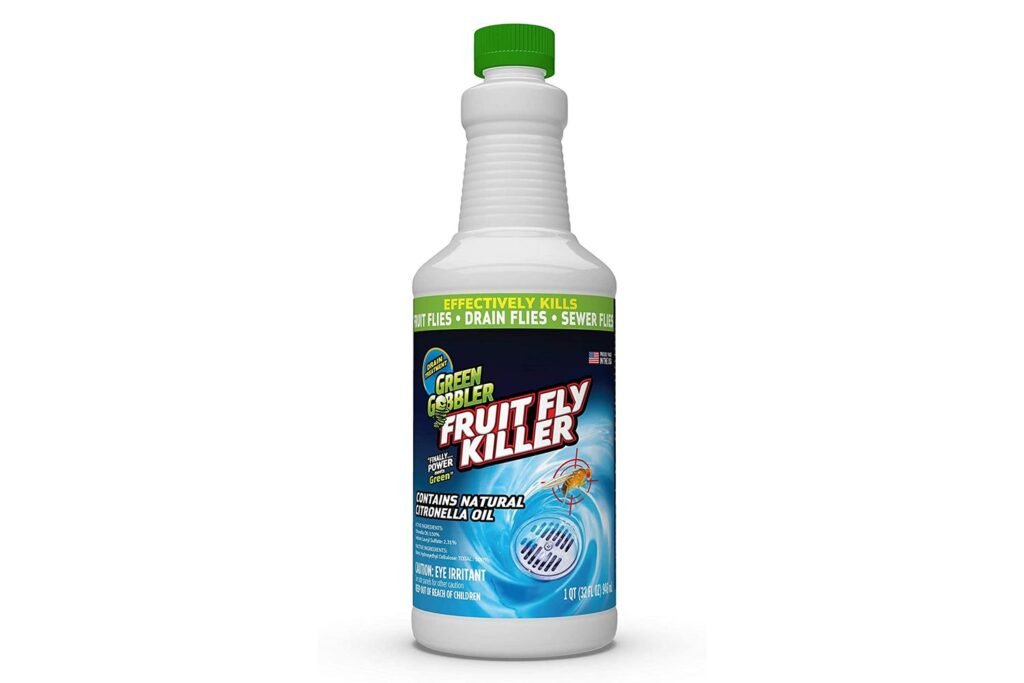
Prevention: How to Keep Drain Flies from Coming Back
Once you’ve won the battle, you need to ensure you don’t have to fight it again. Prevention is all about regular maintenance.
- Weekly Hot Water Flush: Once a week, pour a pot of hot water down your less-frequently used drains (like in a guest bathroom) to keep things flowing.
- Regular Cleaning: At least once a month, use the baking soda and vinegar method or an enzymatic cleaner to maintain your drains and prevent biofilm from building up.
- Keep Drains Clear: Use drain screens or stoppers to catch hair and food scraps before they go down the drain.
- Don’t Forget Other Drains: If you have drain flies in one area, check all the drains in your house, including floor drains in the basement or garage, as they can be a hidden breeding ground.
Conclusion
Facing a swarm of tiny flies in your home can be incredibly frustrating, but identifying them as drain flies is the first step toward victory. Unlike fruit flies that are drawn to your pantry, these pests make their home in the dark, sludgy environment of your pipes. Simply swatting them is not a solution; you have to go to the source and eliminate their breeding ground.
By following the steps outlined in this guide confirming the infestation, performing a physical scrub, and using a powerful DIY or enzymatic drain cleaner you can effectively destroy the biofilm they depend on. Remember that cleaning the drain is the most crucial part of the process. Methods like the baking soda and vinegar flush are not just for unclogging; they are essential for sanitation.
The key to a fly-free home is consistent maintenance. A weekly hot water flush and a monthly deep clean will prevent the organic sludge from ever building up again, ensuring those pesky drain flies don’t get a second chance to move in. With these easy maintenance tips, you can keep your drains clean, clear, and blissfully pest-free.
Check our other home maintenance guides for more DIY tips!
Frequently Asked Questions (FAQs)
1. Are chemical drain cleaners effective against drain flies?
While harsh chemical drain cleaners might kill some larvae, they are often not effective at completely removing the biofilm. They can also be corrosive to your pipes. Enzymatic cleaners are a safer and more effective long-term solution.
2. How long does it take to get rid of drain flies?
If you thoroughly clean the drain and eliminate the breeding ground, you should see a significant reduction in flies within a day or two. The entire population should be gone within about a week. If they persist, you may have missed a drain or the cleaning was not thorough enough.
3. Can drain flies make me sick?
Drain flies are not known to bite or transmit disease to humans. However, they are born in filth and can potentially transfer bacteria from the drain to other surfaces. For people with asthma, the tiny particles from their decaying bodies can sometimes trigger allergic reactions.
4. Why do I have drain flies in a clean house?
A clean house can still have drain fly issues. The problem isn’t surface cleanliness; it’s the hidden organic buildup inside your pipes, which can happen in any home regardless of how tidy it is. Even a slow-draining sink can create the perfect environment for them.