Introduction
Ever flipped a switch and nothing happened? Or worse, smelled something burning from an outlet? You’re not alone electrical glitches plague homes everywhere, leaving us fumbling in the dark. As a homeowner or DIY enthusiast, you’ve probably wondered if you could handle basic fixes yourself or spot when it’s time for an electrician technician to step in.
That’s where understanding the world of an electrician technician comes in handy. These skilled pros diagnose and repair everything from flickering lights to faulty wiring, ensuring your home stays safe and powered up. But you don’t need a full license to tackle minor electrical repairs or know the red flags. In this guide, we’ll break it down friendly-like, sharing what an electrician technician does daily, must-have skills for beginners, step-by-step troubleshooting tips, and safety first advice.
Whether you’re prepping for a home reno or just want to avoid surprise bills, mastering these electrician technician basics empowers you. We’ll cover tools, common wiring issues, and when to call a licensed electrician no jargon, just practical know-how. By the end, you’ll feel confident flipping that breaker without fear. Let’s spark some knowledge!
What Does an Electrician Technician Do?
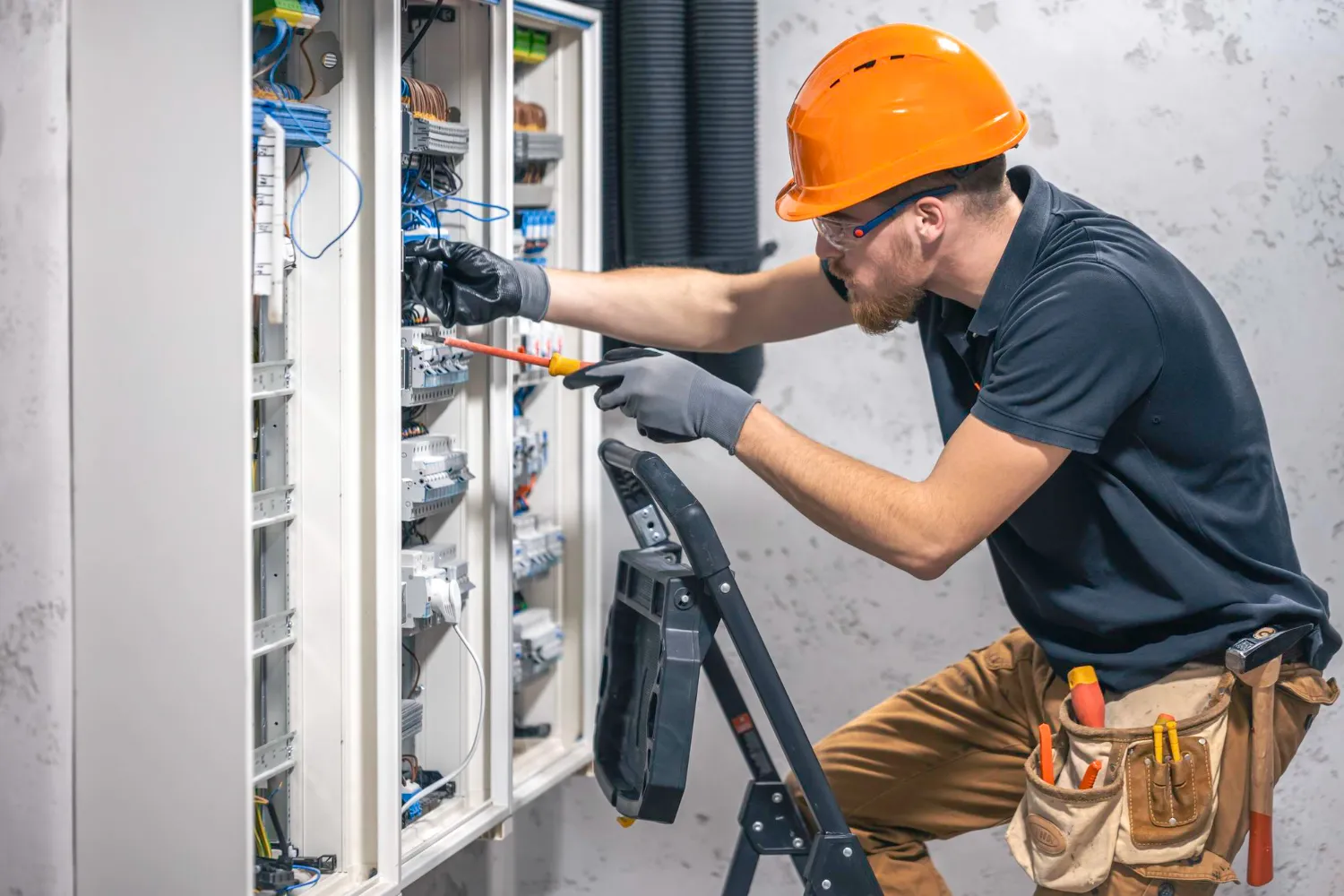
An electrician technician is your home’s electrical superhero, handling installations, maintenance, and repairs with precision. They go beyond flipping switches, diving into complex systems to keep power flowing safely.
Everyday Tasks of a Licensed Electrician
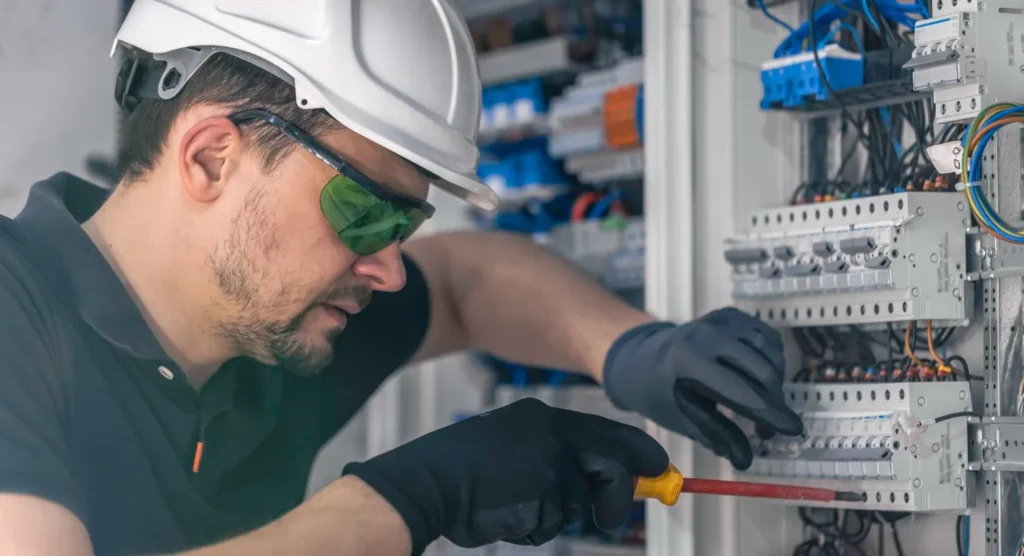
Picture this: Your lights buzz or outlets spark. An electrician technician starts with a thorough inspection, using tools like multimeters to test voltage and continuity. They might rewire circuits, install new panels, or upgrade outdated systems to meet modern codes.
For homeowners, knowing their routine helps you communicate better. Common jobs include:
- Installing ceiling fans or outdoor lighting.
- Fixing tripped breakers from overloaded circuits.
- Upgrading to energy-efficient LED setups.
These pros ensure compliance with safety standards, preventing fires or shocks.
Why Homes Need Regular Electrician Technician Check-Ups
Skipping maintenance? That’s a recipe for trouble. Pros recommend annual inspections to catch wiring issues early, especially in older homes.
Essential Skills Every Aspiring Electrician Technician Needs
Want to channel your inner electrician technician? Start with core skills no degree required for DIY basics.
Top Technical Skills for Electrical Repairs
Master these to troubleshoot electrical problems confidently:
- Reading blueprints and codes: Understand wiring diagrams to map your home’s setup.
- Voltage testing: Use a multimeter to check live wires safely.
- Soldering and crimping: Secure connections without loose ends.
Practice on low-voltage projects like smart bulbs first.
Soft Skills That Make a Great Electrician Technician
It’s not all wires communication shines here. Explain issues simply to clients (or your family), and stay calm under pressure, like during a blackout.
Safety mindset is key: Always assume wires are live until proven otherwise.
Must-Have Tools for Homeowners Tackling Electrical Repairs
No electrician technician rolls without the right gear. Stock your toolbox affordably.
- Multimeter: Measures voltage, current, and resistance your diagnosis MVP.
- Voltage tester: Non-contact version beeps near live wires.
- Wire strippers and cutters: Precision tools for clean cuts.
- Fish tape: Threads wires through walls.
- Cordless drill with bits: For mounting boxes.
Budget tip: Start with a $50 kit from hardware stores. Pro electrician technicians swear by Klein Tools for durability.
Pro safety tip: Wear insulated gloves and safety glasses every time.
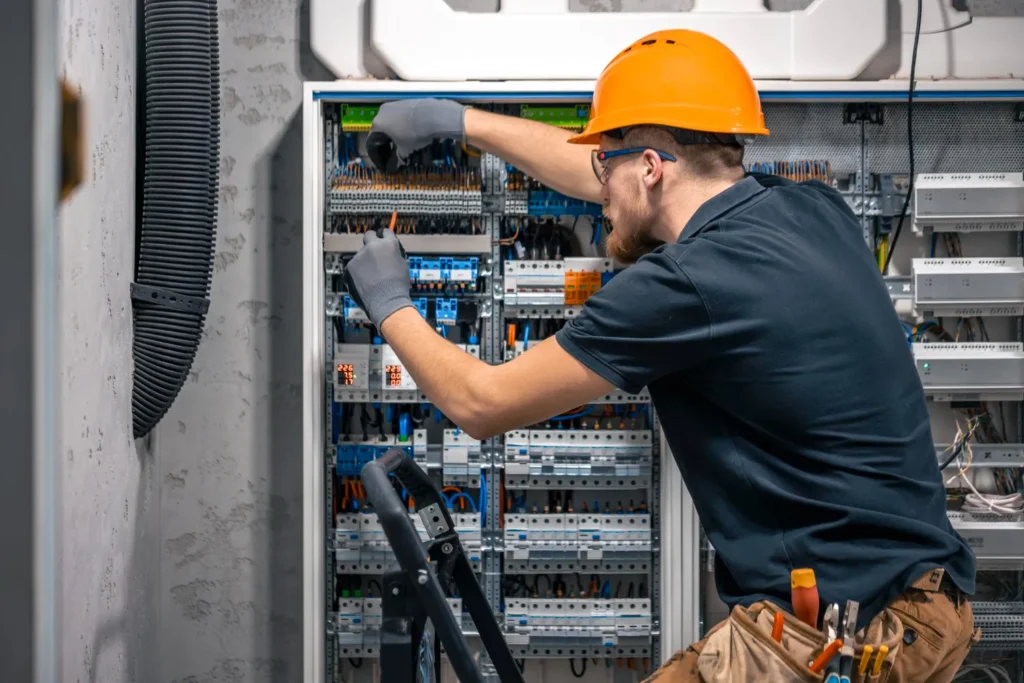
Step-by-Step Guide: Basic Fixes Like a Pro Electrician Technician
Ready to DIY? Follow these electrician technician-approved steps for common issues. Always turn off power at the breaker first!
How to Fix a Flickering Light (Step-by-Step)
Flickers often mean loose connections. Here’s how:
- Shut off power: Flip the breaker for that circuit. Test with a voltage tester.
- Remove fixture: Unscrew the cover plate and bulb.
- Inspect wires: Look for corrosion or loose twists. Tighten with wire nuts.
- Reconnect: Match black-to-black, white-to-white. Secure ground wire.
- Test: Restore power and observe.
If it persists, call a licensed electrician could be wiring issues upstream.
Example: Sarah fixed her kitchen light this way, saving $200 on a service call.
Resetting a Tripped Breaker Safely
Overloads trip breakers to protect you.
- Locate panel: Usually in basement or garage.
- Identify tripped one: It’s halfway between on/off.
- Reset firmly: Switch fully off, then on. Listen for a click.
- Monitor: If it trips again, unplug appliances and investigate.
Tip: Label breakers for quick fixes next time.
Replacing a Faulty Outlet
Outlets wear out replace safely.
- Power off and test.
- Remove faceplate, pull outlet, note wire colors.
- Disconnect wires (photo first!).
- Wire new outlet: Hot (black) to brass, neutral (white) to silver, ground to green.
- Secure, remount, test multiple plugs.
Safety first: GFCI outlets in wet areas prevent shocks.

Common Wiring Issues and Troubleshooting Electrical Problems
Home wiring woes sneak up. Spot them early with electrician technician smarts.
Top 5 Wiring Issues Homeowners Face (And How to Spot Them Early)
Electrical problems are one of the most common and dangerous issues homeowners face. Many wiring faults start small, but if ignored, they can lead to power failures, damaged appliances, or even house fires. Understanding common wiring issues helps you act early and protect both your home and family.
Below are the top five wiring issues homeowners face, how to recognize them, and what you should do next.
Frayed Electrical Cords: A Hidden Fire Risk
One of the most overlooked problems in homes is frayed electrical cords. These usually occur in frequently used appliances like vacuum cleaners, space heaters, phone chargers, and extension cords.
Over time, cords bend, twist, and rub against furniture or walls. This wear can expose internal wires, increasing the risk of electric shock or fire.
Warning Signs:
- Visible cracks or exposed wire
- Sparking when plugged in
- Intermittent power loss
What to Do:
If a cord looks damaged, replace it immediately. Taping a frayed cord is not a safe fix. This small replacement can significantly improve home electrical safety.
2. Overloaded Circuits: Too Much Power, One Line
Overloaded circuits happen when too many devices draw power from a single circuit. Modern homes use more electronics than ever, but many older homes weren’t designed for this demand.
Plugging multiple high-wattage devices like microwaves, heaters, and air fryers into one circuit can cause breakers to trip repeatedly.
Warning Signs:
- Frequently tripping breakers
- Flickering lights
- Warm outlets
What to Do:
Redistribute appliances across different outlets. Avoid using power strips for heavy devices. If the problem continues, residential electrical repairs may be needed to add new circuits.
3. Aluminum Wiring Problems in Older Homes
Homes built between the 1960s and 1970s often used aluminum wiring. While legal at the time, aluminum expands and contracts more than copper, leading to loose connections.
Aluminum wiring problems are a known fire hazard if not properly upgraded.
Warning Signs:
- Lights dimming unexpectedly
- Warm switch plates
- Burning smell near outlets
What to Do:
Do not attempt DIY fixes. This issue requires professional electrician services. A licensed electrician can upgrade connections or recommend safer alternatives.
4. Reverse Polarity Outlet: Small Mistake, Big Risk
A reverse polarity outlet occurs when the hot and neutral wires are swapped. The outlet may appear to work normally, but it creates a shock hazard, especially for metal appliances.
This issue is common in DIY electrical work or older wiring systems.
Warning Signs:
- Appliances feel slightly “tingly”
- GFCI outlets not working correctly
What to Do:
Use an inexpensive outlet tester to detect polarity issues. Once identified, turn off the breaker and call a professional. Fixing this restores safe current flow and improves home electrical safety.
5. Arc Fault Hazards: Buzzing Is a Red Flag
Arc fault hazards occur when electricity jumps across loose or damaged wiring instead of flowing smoothly. This creates heat and sparks inside walls a major fire risk.
Arc faults are especially dangerous because they are often invisible.
Warning Signs:
- Buzzing or sizzling sounds
- Burn marks around outlets
- Burning smell without visible smoke
What to Do:
If you notice these signs, shut off power immediately and contact an electrician. Arc fault breakers are designed to detect these issues and should be installed where required.
Quick Electrical Troubleshooting Tips for Homeowners
While major wiring problems need professional help, some basic electrical troubleshooting tips can help you identify issues early.
Use This Simple Checklist:
- Lights out? Check the bulb first, then inspect the breaker panel.
- Noisy outlets? Look for signs of arcing or loose plugs.
- Warm spots on walls or outlets? Shut off power and call a pro immediately.
These quick checks can prevent small problems from becoming expensive emergencies.
Real-Life Example: A 10-Minute Fix That Prevented a Fire
Mike noticed a faint buzzing sound near his refrigerator outlet. At first, he ignored it. Later, the plug felt warm to the touch.
He unplugged the fridge and found a loose wire connection inside the outlet. A licensed electrician fixed it in just 10 minutes with a screwdriver, preventing what could have become a serious fire hazard.
This is a perfect example of why early action matters in home electrical safety.
How Electrical Repairs Boost Home Value and Safety (LSI Bonus)
Upgrading wiring isn’t just about safety it’s also a smart investment. Buyers prefer homes with updated electrical systems, modern breakers, and properly grounded outlets.
Electrical Repairs That Add Value:
- Upgrading outdated wiring
- Installing arc fault and GFCI breakers
- Fixing overloaded circuits
- Replacing unsafe outlets
These residential electrical repairs improve reliability, reduce insurance risks, and increase resale appeal.
Safety Tips: The Non-Negotiables for Any Electrician Technician
Safety isn’t optional it’s survival. Even pros drill this in.
Key Electrical Safety Rules for DIYers
- Never DIY if unsure: Wet areas or overhead lines? Hire help.
- Use GFCIs: In bathrooms/kitchens.
- Avoid extensions: Daisy-chaining causes fires.
- Childproof: Outlet covers save lives.
Stats: Electrical faults cause 51,000 home fires yearly (NFPA). Respect that.
Pro tip: Install AFCI breakers for arc protection.
When to Call a Licensed Electrician Immediately
Red flags:
- Burning smells.
- Sparks or smoke.
- Frequent trips despite unplugging.
- Exposed wires.
Better safe than zapped pros have insurance too.
Why Hire a Professional Electrician Technician?
DIY rocks for small stuff, but big jobs demand experts. A licensed electrician technician brings code knowledge, warranties, and heavy-duty tools.
Benefits:
- Peace of mind with inspections.
- Energy savings from efficient installs.
- Increased resale value.
Conclusion
Wrapping it up, we’ve lit up the essentials of being your home’s go-to electrician technician from daily tasks and must-have skills to tools, step-by-step fixes for flickering lights, tripped breakers, and outlets, plus spotting wiring issues. We’ve covered troubleshooting electrical problems, safety tips like always testing for live wires, and knowing when to grab a licensed electrician for complex electrical repairs.
These tips empower homeowners and DIY enthusiasts to handle basics confidently, saving time and money while prioritizing safety. Remember, small maintenance prevents big headaches regular checks catch issues early, keeping your family protected.
Try that outlet swap or breaker reset next time trouble strikes. Maintain your setup with annual pro inspections for long-term wins. You’re now equipped to tackle electrical repairs like a pro electrician technician!
Ready to dive deeper? Check our guides on home plumbing fixes or HVAC tips. Share your DIY win in the comments what’s your trickiest electrical story?
Frequently Asked Questions (FAQs)
1. What’s the difference between an electrician and an electrician technician?
An electrician technician often focuses on repairs and maintenance, while full electricians handle design and large installs. Both need licensing for safety.
2. How much does hiring an electrician technician cost for basic repairs?
Expect $100–$300 for simple jobs like outlet swaps, depending on location and urgency.
3. Can homeowners do electrical repairs without a license?
Yes, for minor DIY like bulb changes or breaker resets, but major wiring requires a pro to meet codes.
4. What causes most home wiring issues?
Overloads, aging insulation, and DIY mistakes top the list regular checks help.
5. How do I know if my home needs an electrician technician inspection?
Flickers, warm outlets, or outdated panels (over 20 years) are signs.