That Sinking Feeling: When Drains Go Wrong
Best plumbers for drain cleaning Chicago suburbs: It’s a familiar story for many homeowners. You’re washing dishes, taking a shower, or simply brushing your teeth, and you notice the water isn’t going down. It pools around your feet or creeps up the sink basin, leaving behind a murky residue. That slow drain is more than just an annoyance; it’s a warning sign of a bigger problem lurking within your pipes. A simple clog can quickly escalate into a messy overflow, potential water damage, and a major disruption to your daily life.
While some minor clogs can be tackled with a plunger or a simple drain snake, many require professional intervention. Stubborn blockages from grease, hair, soap scum, or even tree roots can be too much for basic tools to handle. This is where knowing how to find the best plumbers for drain cleaning in the Chicago suburbs becomes essential. A skilled professional not only clears the immediate blockage but also diagnoses the underlying cause, ensuring the problem doesn’t return a few weeks later. They have the right equipment and expertise to protect your plumbing system while providing a lasting solution, giving you peace of mind and saving you from a much larger headache down the road. This guide will walk you through everything you need to know to find a reliable plumber and get your drains back in top shape.
Why a Clogged Drain is More Than Just an Inconvenience
A clogged drain might seem like a small issue, but it can signal significant problems with your home’s plumbing. Ignoring it can lead to more severe and costly consequences.
The Hidden Dangers of a Blocked Pipe
- Water Damage: When water can’t flow freely, it has to go somewhere. Backups can cause overflows, leading to water seeping into your floors, walls, and cabinetry. This moisture can ruin building materials and lead to mold growth, which poses a health risk.
- Pipe Damage: The pressure buildup from a severe clog can strain your pipes. Over time, this pressure can cause cracks or even burst pipes, resulting in a plumbing emergency that requires extensive and expensive repairs.
- Unsanitary Conditions: Standing water in sinks and tubs is a breeding ground for bacteria and germs. Furthermore, sewer gases can escape through drains, releasing unpleasant odors and harmful pathogens into your living space.
- Pest Infestations: Clogged pipes full of stagnant water and decomposing organic matter can attract pests like drain flies, cockroaches, and even rodents.
When DIY Drain Cleaning Isn’t Enough
Many homeowners reach for liquid drain cleaners as a first resort. While they might offer a temporary fix for minor clogs, these chemical solutions can be incredibly harsh on your plumbing system. The corrosive ingredients can eat away at PVC and older metal pipes, leading to leaks and long-term damage.
Similarly, trying to use a drain snake without proper knowledge can also go wrong. You might push the clog further down the line, making it more difficult to remove, or even scratch and damage the interior of your pipes. For persistent, recurring, or completely blocked drains, professional help is the safest and most effective option.
Finding the Best Plumbers for Drain Cleaning in the Chicago Suburbs
Choosing the right plumbing service is crucial for ensuring a job well done. With so many options available in the sprawling Chicago suburbs, from Naperville to Evanston, how do you identify the truly reliable professionals? Here’s a breakdown of what to look for.
Key Qualities of a Top-Tier Plumber
A reputable plumbing company is more than just a person with a wrench. You need a team that is licensed, insured, experienced, and committed to customer satisfaction.
- Licensing and Insurance: This is non-negotiable. A licensed plumber has met the state’s requirements for knowledge and competence. The Illinois Department of Public Health (IDPH) regulates plumbers in the state. Always verify that the company and its technicians are fully licensed. Insurance is equally important; it protects you and your property in the rare event that something goes wrong during the job.
- Experience and Specialization: Look for companies that have been serving the Chicago suburbs for several years. An established presence often indicates reliability and a strong local reputation. Furthermore, inquire if they specialize in drain cleaning. A plumber who regularly handles clogged drains will have the advanced tools and diagnostic skills needed to solve your problem efficiently.
- Positive Customer Reviews and Reputation: In the digital age, it’s easy to check a company’s track record. Look at reviews on platforms like Google, Yelp, Angi, and the Better Business Bureau (BBB). Pay attention to comments about their professionalism, timeliness, communication, and fairness in pricing. A few negative reviews are normal, but a consistent pattern of complaints is a major red flag.
- Advanced Technology and Equipment: The best plumbers invest in modern technology. For drain cleaning, this includes tools like high-powered hydro jetting equipment, which uses high-pressure water to obliterate clogs and clean the entire pipe interior. They should also have sewer inspection cameras to visually diagnose the exact location and cause of the blockage without any guesswork.
How to Vet Your Potential Plumber
Once you have a shortlist of companies, it’s time to dig a little deeper. Taking these extra steps can save you from a bad experience.
- Ask for an Estimate: A trustworthy plumber should be able to provide a clear, itemized estimate before starting any work. Be wary of companies that are vague about costs or pressure you into agreeing to a price over the phone without an inspection. While some simple jobs may have a flat rate, complex issues often require an on-site diagnosis.
- Inquire About Guarantees: Ask if the company offers a warranty or satisfaction guarantee on their work. A company that stands behind its service is confident in its ability to provide a lasting solution. This shows they are invested in doing the job right the first time.
- Check for Emergency Services: Plumbing problems don’t always happen during business hours. A reliable company will offer 24/7 emergency services for situations that can’t wait, like a major sewer backup. Knowing you have a go-to expert available anytime provides invaluable peace of mind.
What to Expect During a Professional Drain Cleaning Service
When you hire one of the best plumbers for drain cleaning in the Chicago suburbs, you can expect a systematic and professional process.
Step 1: Diagnosis with a Sewer Camera Inspection
Before starting any work, a skilled technician will often recommend a video camera inspection. A flexible, waterproof camera is fed into your drain line, transmitting a live video feed to a monitor. This allows the plumber to see exactly what’s causing the clog whether it’s a buildup of grease, a foreign object, or invading tree roots.
This diagnostic step is crucial because it ensures the correct solution is applied. It prevents a simple grease clog from being treated as a tree root problem, saving time and money. It also helps identify underlying issues like cracked or misaligned pipes that may require more extensive repair.
Step 2: Choosing the Right Cleaning Method
Based on the camera inspection, the plumber will recommend the best method for clearing the clog.
- Snaking (Augering): For simpler clogs, a professional-grade motorized snake can be used. It has a rotating head that breaks up the blockage or allows the plumber to pull it out. This is effective for clogs caused by hair or small objects.
- Hydro Jetting: This is the most powerful and comprehensive drain cleaning method. A specialized hose releases water at extremely high pressures (up to 4,000 PSI) into the pipe. The jets of water pulverize everything in their path grease, sludge, scale, and even tree roots and flush the debris out of your system. Hydro jetting not only removes the clog but also scours the pipe walls, leaving them almost like new and preventing future buildups.
Step 3: The Cleaning Process and Final Verification
The plumber will carefully perform the chosen cleaning method, ensuring your property is protected from any mess. After the line is cleared, they may perform a final camera inspection to confirm that the blockage is completely gone and the pipe is in good condition. This verification step is a hallmark of a thorough and professional service.
Proactive Plumbing: Preventing Future Clogs
Once your drains are clear, the goal is to keep them that way. A little preventative maintenance can go a long way in avoiding future calls to a plumber.
Easy Plumbing Tips for Healthy Drains
- Be Mindful of What Goes Down the Drain: This is the most important rule. Avoid pouring grease, oil, or coffee grounds down the kitchen sink. These substances solidify in the pipes and create stubborn blockages. In the bathroom, use a drain strainer to catch hair before it can enter the pipes.
- Use Your Garbage Disposal Wisely: Never put fibrous or starchy foods (like celery stalks or potato peels) down the disposal. Always run cold water for at least 15 seconds before and after using it to help flush food particles through the system.
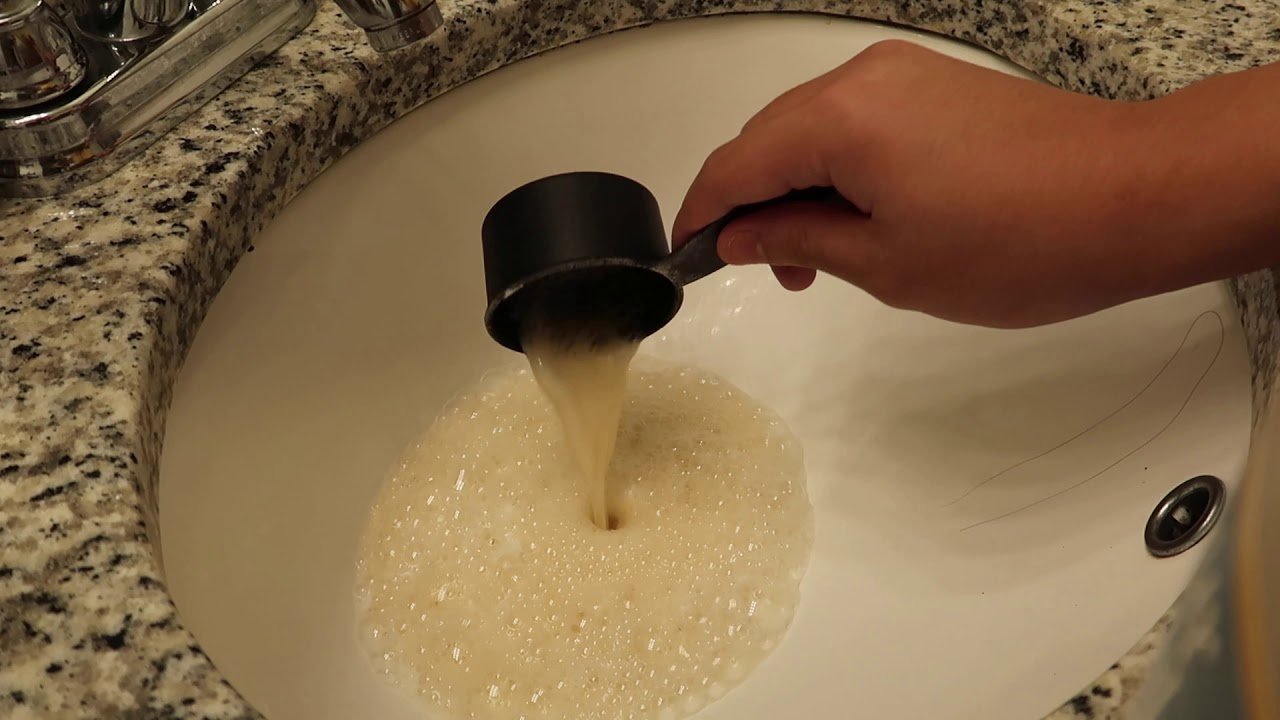
- Regularly Flush Drains with Hot Water: Once a week, pour a pot of boiling water down your kitchen sink to help melt and flush away any grease that may have started to accumulate.
- Consider Bio-Enzyme Cleaners: Unlike harsh chemical cleaners, enzyme-based cleaners use beneficial bacteria to eat away at organic waste in your pipes. Using them monthly can help maintain a clear flow without damaging your plumbing.
The Value of Annual Maintenance
Just like your HVAC system, your plumbing benefits from regular check-ups. Many of the best plumbers for drain cleaning in the Chicago suburbs offer annual maintenance plans. During a maintenance visit, a technician can perform a camera inspection to catch potential problems early and provide a preventative cleaning to keep your pipes in optimal condition. This proactive approach is one of the smartest investments a homeowner can make.
Conclusion: Invest in Your Home’s Health
A clogged drain is a disruptive problem that can quickly escalate if not addressed correctly. While the temptation to try a quick DIY fix is strong, stubborn or recurring blockages are best left to the professionals. By taking the time to research and select one of the best plumbers for drain cleaning in the Chicago suburbs, you are not just clearing a pipe you are investing in the long-term health and integrity of your home’s plumbing system.
Remember to look for licensed and insured companies with a solid reputation, extensive experience, and modern equipment like sewer cameras and hydro jetting tools. Don’t hesitate to ask for detailed estimates and inquire about service guarantees. A professional and transparent approach is the sign of a trustworthy expert. By following these guidelines and practicing preventative maintenance, you can ensure your drains remain clear and functional, protecting your home from the mess, stress, and expense of a major plumbing emergency.
Check our other plumbing guides for more DIY tips.
Frequently Asked Questions (FAQ)
1. How much does professional drain cleaning cost in the Chicago suburbs?
The cost can vary widely depending on the severity and location of the clog. A simple snaking of a sink drain might cost between $150 and $250, while a main sewer line cleaning with hydro jetting could range from $400 to $900 or more. Always get a detailed estimate before work begins.
2. Is hydro jetting safe for my old pipes?
When performed by a trained professional, hydro jetting is safe for most types of pipes, including older cast iron ones, as long as they are in good structural condition. A pre-cleaning camera inspection is essential to assess the pipe’s integrity and determine if it can withstand the pressure. A professional will adjust the pressure accordingly.
3. How can I tell if I have a main sewer line clog?
Signs of a main sewer line clog include multiple drains backing up simultaneously (e.g., toilets, showers, and sinks), gurgling sounds from your toilets when you use a sink, and water backing up in the shower when you flush a toilet. If you see these signs, call a plumber immediately.
4. How often should I have my drains professionally cleaned?
For preventative maintenance, it’s a good idea to have your main sewer line inspected and cleaned every 18 to 24 months. If your home has older pipes, is surrounded by large trees, or if you have a large family, you might consider an annual cleaning to prevent surprise blockages.
5. Can tree roots really cause a clog?
Absolutely. Tree roots are naturally drawn to the water and nutrients in sewer lines. They can infiltrate pipes through tiny cracks or loose joints, growing into a dense mass that catches waste and causes a complete blockage. A sewer camera inspection can confirm if roots are the problem, and hydro jetting is highly effective at cutting them out.