How to Become an Electrician: Dreaming of a stable career as an electrician? Learn how to become an electrician with our step-by-step guide covering training, apprenticeships, licensing, and tips for beginners. Start wiring your future today!
Why Pursue a Career as an Electrician?
Hey there, fellow fixer-upper! Ever stared at a flickering light or buzzing outlet, thinking, “I could totally handle this and get paid for it”? You’re not alone. In a world where lights go out during storms, smart homes demand savvy wiring, and everyone wants energy-efficient setups, electricians are the unsung heroes keeping our lives powered up.
Becoming an electrician isn’t just a job; it’s a ticket to job security, great pay (median around $60K/year in the US, higher with experience), and the satisfaction of hands-on work. No college debt required just grit, learning, and a spark of curiosity. Whether you’re a homeowner tired of calling pros for every outlet swap or a DIY enthusiast ready to level up, this guide shows how to become an electrician from zero to pro.
We’ll cover the electrician career path, from basic skills to landing entry-level electrician jobs. No jargon overload just straightforward steps, real-talk tips, and motivation to get you started. By the end, you’ll know exactly what it takes. Ready to flip the switch on your future? Let’s dive in!

Step 1: Understand the Electrician Career Path and Requirements
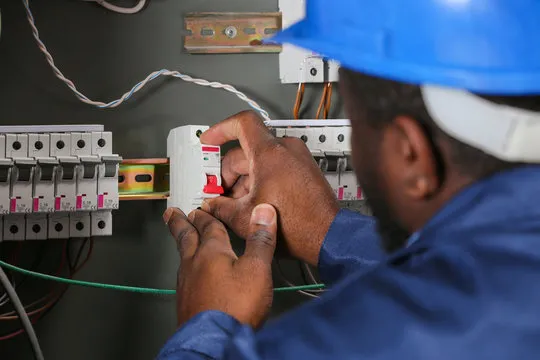
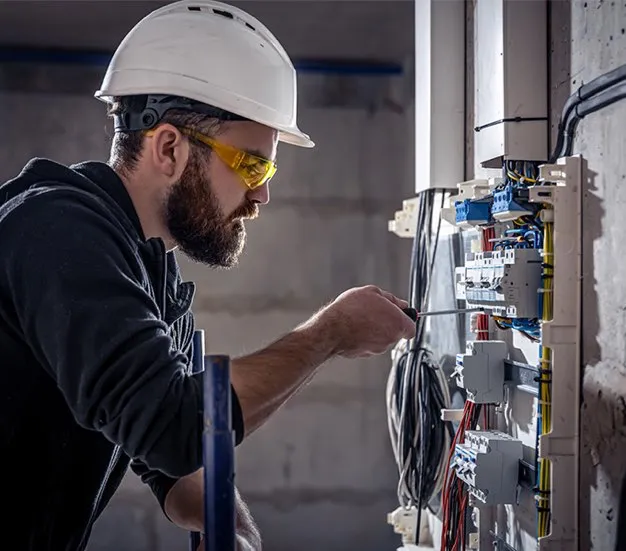
First things first: grasp what you’re signing up for. An electrician installs, maintains, and repairs electrical systems in homes, businesses, and factories. It’s physical work climbing ladders, crawling attics but rewarding, with demand booming due to green energy and EV chargers.
Key Requirements for how to become an Electrician
- Age and Education: Most places require 18+ and a high school diploma or GED. Brush up on algebra and physics if needed they’re your wiring math buddies.
- Physical Fitness: Expect lifting 50+ lbs and working in tight spaces. Stay active!
- Skills Needed: Problem-solving, attention to detail, and manual dexterity. Love puzzles? Perfect.
Research local rules requirements vary by country/state. In the US, check your state’s licensing board; in places like Pakistan, look into TEVTA or local trade bodies for electrician training programs.
Pro Tip: Shadow a local electrician for a day. It’s free insight into the daily grind.
Step 2: Get the Right Electrician Training
No fancy degree? No problem. Electrician training kicks off your journey think trade schools, community colleges, or online intros.
Choose Your Training Path
- Trade Schools/Vocational Programs: 6-12 months, hands-on. Costs $5K-$15K. Covers basics like circuits, codes, and safety.
- Community College: Associate degree in 2 years deeper dive into blueprints and automation.
- Online Courses: Platforms like Alison or Coursera for free/cheap intros to electrical theory. Great for DIY starters.
Aim for programs accredited by bodies like NCCER (US) or equivalent locally. Expect 144+ hours of classroom time plus labs.
Real Example: My buddy Jake, a former mechanic, did a 9-month program and aced his first apprenticeship interview. Start small practice wiring a simple lamp kit at home safely.
Safety First: Always kill power at the breaker before tinkering!
Step 3: Land an Apprenticeship for Electricians
Here’s the goldmine: apprenticeships. Paid on-the-job training (typically 4-5 years, 8,000 hours) under pros. Earn while you learn starting $15-20/hour, up to journeyman wages.
How to Score an Apprenticeship
- Build a Resume: Highlight DIY projects, shop class, or military experience.
- Apply Widely: Unions (IBEW), non-union contractors, or state programs. Sites like Apprenticeship.gov list openings.
- Pass Tests: Math, reading, and mechanical aptitude exams.
- Interview Prep: Show enthusiasm “I fixed my garage wiring last month!”
During apprenticeship:
- Year 1: Basics like conduits and panels.
- Later Years: Motors, alarms, solar installs.
Tip for Homeowners: Use your home projects (like adding outlets) as portfolio pieces. Document with photos!

Step 4: Earn Your Electrician Certification and License
Theory meets practice time to certify. Most places require passing exams after training/apprenticeship.
Types of Electrician Licenses
- Apprentice License: Supervised work.
- Journeyman: Mid-level, after 4 years/8000 hours + exam.
- Master Electrician: 7+ years, business owner potential.
How to get electrician license:
- Complete hours/training.
- Pass written/practical exams (e.g., NEC code in US).
- Renew every 1-3 years with continuing ed.
Costs: $100-500 per exam. Study with books like Mike Holt’s or apps.
Example: Sarah, a DIY mom, apprenticed part-time, passed her journeyman test, and now runs side gigs rewiring homes.
Essential Skills and Tools for Aspiring Electricians
Success hinges on skills. Hone these:
- Reading Blueprints: Like maps for wiring.
- Troubleshooting: Use multimeters to diagnose faults.
- Code Knowledge: National Electrical Code (NEC) is bible local versions apply.
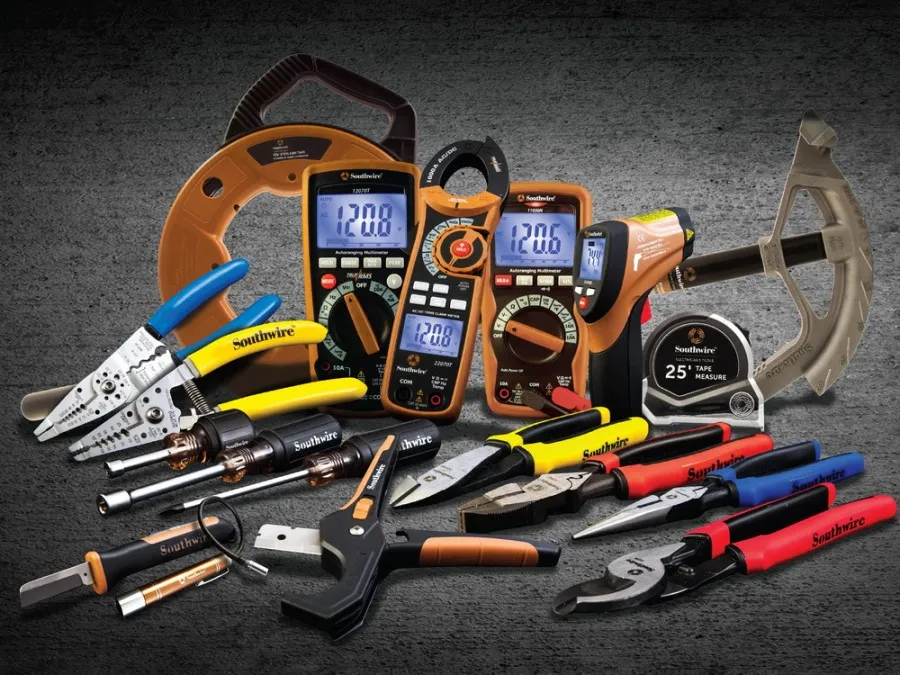
Must-Have Faucet Repair Tools (Entry-Level Kit, $200-500)
Wait, tools for electricians:
- Multimeter
- Wire strippers
- Voltage tester
- Pliers set
- Conduit bender
Start cheap Harbor Freight for beginners. Practice on scrap wire.
Homeowner Hack: Test outlets with a $10 tester before big projects.
Overcoming Common Challenges on Your Electrician Journey
It’s not all smooth wires. Hurdles include:
- Competition: Beat it with networking (LinkedIn, trade shows).
- Burnout: Balance with weekends off; stay hydrated on jobsites.
- Tech Shifts: Learn EVs, smart homes via YouTube/free courses.
Motivation Boost: Electricians have low unemployment (2%) and overtime pay. Entry-level electrician jobs abound in construction booms.
Job Hunting and Advancing Your Career
Graduated? Hunt!
- Where to Look: Indeed, LinkedIn, contractor sites.
- Salary Progression: Apprentice $40K → Journeyman $70K → Master $100K+.
- Specialize: Solar, industrial, or residential for niches.
Freelance Tip: Get insured, build a website showcasing home projects.
Conclusion: Spark Your Electrician Career Today
Whew, we’ve wired through it all from understanding the electrician career path to snagging how to become an electrician credentials like certification and licenses. Key takeaways? Start with solid electrician training, grab an apprenticeship for electricians, master skills/tools, pass exams for your how to get electrician license, and job hunt smart. It’s a journey of 4-7 years, but with hands-on rewards, steady pay, and the thrill of powering homes (literally), it’s worth every volt for How to Become an Electrician.
As a homeowner or DIY fan, you’ve got the edge your garage tinkering is real prep. Don’t wait for the perfect moment; enroll in a course, apply for apprenticeships, or shadow a pro this week. Regular practice and safety keep you shock-free. Imagine: a career where your fixes light up lives, not just your house.
Ready to plug in? Check our guides on beginner electrical projects or local trade schools for more. It will help you for how to become an Electrician. Your electrifying future starts now go make it happen!
FAQs: How to Become an Electrician
1. How long does it take to become a fully licensed electrician?
Typically 4-5 years via apprenticeship plus exam prep. Master level adds 2-3 more years.
2. Do I need a college degree for electrician training?
Nope! High school diploma + vocational programs suffice. Many succeed without college.
3. What’s the best way to find entry-level electrician jobs?
Unions like IBEW, job boards, or contractor websites. Network at trade events.
4. Can women or older folks become electricians?
Absolutely! Diverse fields welcome all ages/genders skills matter most.
5. Is electrician certification the same everywhere?
No, it’s state/country-specific. Check local boards for electrician certification rules.