Introduction
Picture this: It’s Saturday morning, and you have a busy day planned. You walk into the bathroom to brush your teeth, but as you rinse, the water doesn’t go anywhere. It just sits there, rising higher and higher in the basin. You wait a few seconds, hoping gravity will do its job, but nothing happens. The water is stagnant, murky, and stubbornly refusing to drain. We have all been there, and few things are more frustrating than a clogged pipe bringing your household routine to a screeching halt.
For most homeowners, the first reaction is panic, followed by a frantic search for a plunger. But what happens when the plunger fails? What do you do when the clog is so deep and stubborn that standard drain snakes or gentle baking soda mixtures just won’t cut it? This is usually the moment when people start considering stronger chemical solutions. One name that often comes up in these desperate moments is liquid fire drain cleaner.
Liquid Fire Drain Cleaner sounds intense, doesn’t it? That’s because it is. Unlike the gel-based cleaners you find in the cleaning aisle of your local grocery store, Liquid Fire Drain Cleaner is a heavy duty sulfuric acid drain opener. It is designed for those “nothing else worked” scenarios where grease, hair, and organic matter have formed an impenetrable blockade in your pipes. Liquid Fire Drain Cleaner is a powerful tool in the arsenal of DIY drain cleaning, but Liquid Fire Drain Cleaner demands respect and careful handling.
In this comprehensive guide, we are going to explore everything you need to know about this potent product. We will discuss exactly what it is, how Liquid Fire Drain Cleaner differs from other effective clog removers, and most importantly, how to use it without damaging your plumbing or endangering your safety. Whether you are dealing with a backed-up kitchen sink or a slow-draining tub, understanding the right way to use this chemical can save you hundreds of dollars in plumbing bills. Let’s dive in and get that water flowing again.

What Is Liquid Fire Drain Cleaner?
Before pouring any chemical down your drain, you need to understand exactly what you are working with. Liquid fire drain cleaner is not your average clog remover. While many popular brands use lye (sodium hydroxide) or bleach-based formulas to eat away at blockages, Liquid Fire Drain Cleaner utilizes concentrated sulfuric acid.
Sulfuric acid is incredibly potent. When it comes into contact with the water in your drain and the organic material causing the clog, it creates an intense chemical reaction that generates significant heat. This heat melts grease, burns through hair, and dissolves soap scum almost instantly. It is specifically designed to tackle organic blockages that other cleaners leave behind.
Because of its chemical makeup, Liquid Fire Drain Cleaner is often seen as a last resort for common drain clogs. It is highly effective, but it is also hazardous if mishandled. It is crucial to distinguish this product from enzymatic cleaners or basic alkaline openers. Enzymatic cleaners work slowly over time to eat away bacteria; Liquid Fire works instantly through a violent chemical reaction. This makes it a favorite for emergency situations where you need results immediately.
However, its strength is a double-edged sword. The same power that melts grease can also damage certain types of pipes and fixtures if used incorrectly. This is why reading the instructions and this guide is absolutely vital before you unscrew the cap.
Safety First: Essential Gear and Precautions
We cannot stress this enough: safety is paramount. Sulfuric acid is corrosive. Liquid Fire Drain Cleaner can cause severe burns to skin and eyes, and its fumes can be irritating to your respiratory system. Before you even bring the bottle into the room with the clogged drain, you need to prepare.
Essential Safety Gear:
- Heavy-Duty Rubber Gloves: Do not use thin latex gloves. You need chemical-resistant gloves that go up your forearms.
- Safety Goggles: Splashing is a real risk. Regular prescription glasses or sunglasses are not enough. You need goggles that seal around your eyes.
- Face Mask or Respirator: The chemical reaction produces fumes that can make you cough or feel lightheaded. Good ventilation is key.
- Protective Clothing: Wear long sleeves and long pants to protect your skin from accidental splashes.
Critical Warnings:
- Never Mix Chemicals: This is the golden rule of plumbing. If you have recently poured bleach, ammonia, or another drain opener down the sink, DO NOT use Liquid Fire Drain Cleaner. Mixing sulfuric acid with other chemicals can create deadly chlorine gas or cause an explosive reaction.
- Ventilation: Open every window in the room and turn on the exhaust fan. You want fresh air circulating constantly.
- Keep Kids and Pets Away: Ensure the area is completely off-limits to children and pets during the process and for several hours afterward.
Assessing Your Plumbing: Is It Safe to Use?
Not all pipes are created equal. Before using liquid fire drain cleaner, you must identify what kind of pipes you have.
Safe to Use On:
- PVC and Plastic Pipes: Generally, sulfuric acid is safe for plastic piping, provided you follow the instructions regarding water flushing.
- Septic Systems: Liquid Fire Drain Cleaner claims to be safe for septic tanks because the acid is neutralized as it travels through the system and mixes with the waste.
Do Not Use On:
- Galvanized Steel: Old galvanized pipes can be eaten away by the acid, leading to leaks.
- Aluminum and Chrome: If the acid splashes on your chrome faucet or aluminum fixtures, it will pit and tarnish the metal permanently. You must cover these fixtures with a thick layer of petroleum jelly (Vaseline) before starting.
- Garbage Disposals: Never pour this into a garbage disposal. The acid will corrode the metal blades and internal components, ruining the unit.
- Old or Damaged Enamel: If you have an antique cast iron tub with worn enamel, the heat from the acid could crack the basin or eat into the finish.
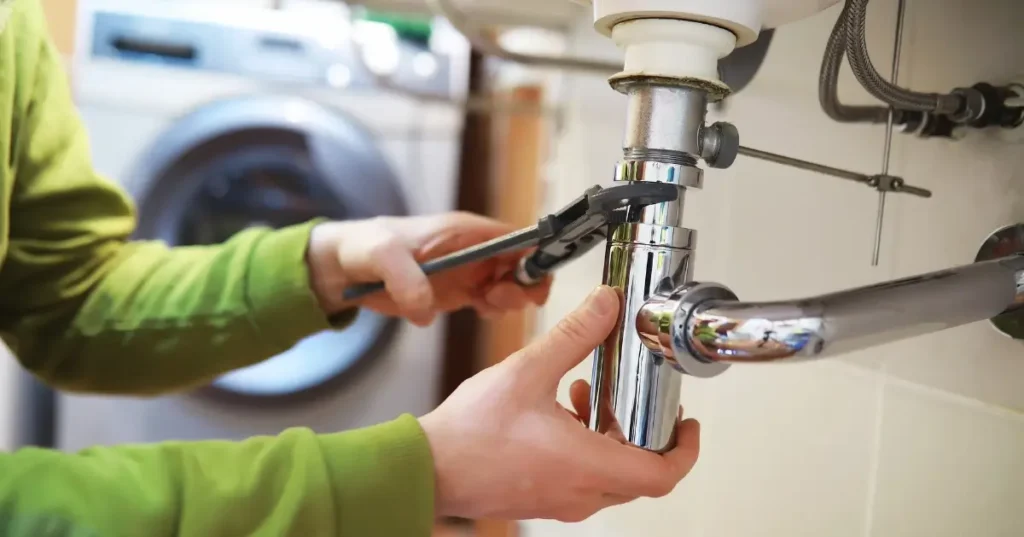
Step-by-Step Guide: How to Use Liquid Fire Drain Cleaner
Now that you have your safety gear on and you’ve confirmed your pipes are compatible, let’s walk through the process. Treat this like a surgical procedure slow, steady, and careful.
Step 1: Prepare the Area
Clear everything out from under the sink and around the drain area. You don’t want to accidentally knock over a bottle of shampoo while holding a bottle of acid. Cover your faucet and drain rim with petroleum jelly to protect the finish from potential splashes or fumes.
Step 2: Remove Standing Water
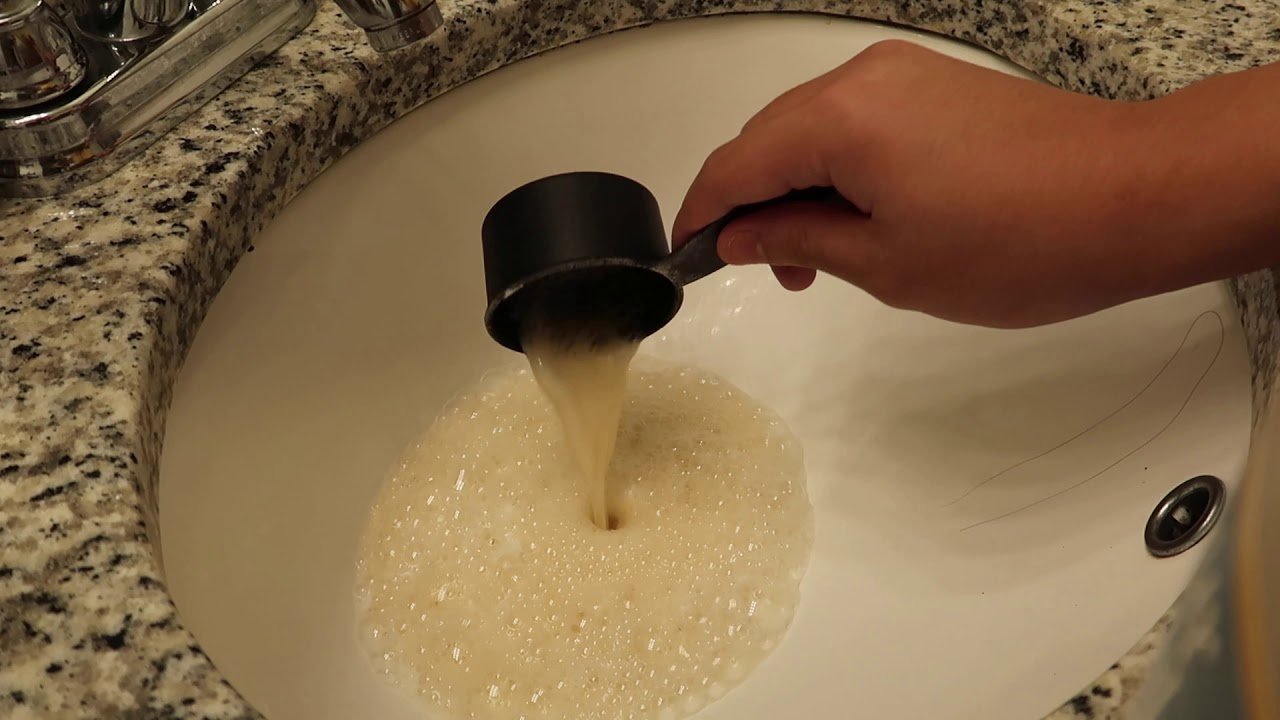
While Liquid Fire Drain Cleaner is heavier than water and will sink to the clog, it works best if there isn’t a massive pool of water diluting it. Use a cup or a turkey baster (that you will throw away afterward) to remove as much stagnant water as possible. Do not use a plunger at this stage, as you don’t want to agitate the water right before adding acid.
Step 3: Pour Carefully
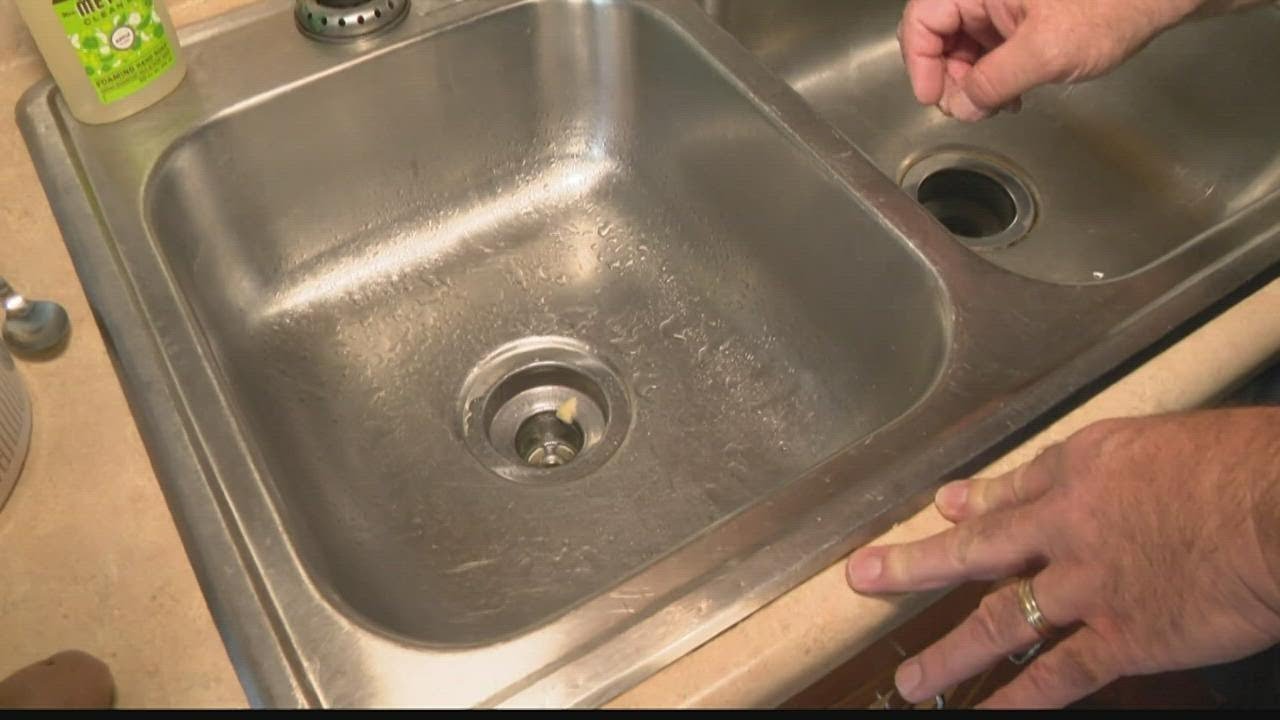
Open the bottle of liquid fire drain cleaner carefully. Do not squeeze the bottle. Hold it close to the drain opening to minimize splashing.
- Dosage: Read the bottle for the specific amount. usually, 1 to 2 cups is sufficient for a sink drain.
- Technique: Pour slowly. Do not dump it all at once. Pour small amounts at a time and listen. You might hear a sizzling or bubbling sound this is the acid reacting with the organic material. This is normal.
Step 4: Let It Work
Once you have poured the recommended amount, step back. Leave the room if the fumes are strong. Allow the product to sit for the time specified on the bottle, which is typically around 15 to 30 minutes. Do not let it sit for hours or overnight, as the prolonged heat and acidity can start to affect the pipe joints.
Step 5: The Cold Water Flush
This step is crucial. After the waiting period, turn on the cold water tap slowly.
- Why Cold Water? Adding hot water to concentrated acid can cause a violent, boiling reaction that splashes back at you. Cold water helps moderate the reaction while flushing the dissolved clog away.
- The Process: Let the cold water run for at least 5 to 10 minutes. If the water drains freely, congratulations you’ve cleared the clog! If it drains slowly, the clog is partially gone but might need another treatment.
Step 6: Clean Up
Once the drain is flowing, wash the sink basin thoroughly with soap and water to remove any acidic residue. Dispose of your gloves and wash your hands.
Common Mistakes That Lead to Disaster
Even with the best intentions, homeowners often make mistakes with effective clog removers like Liquid Fire Drain Cleaner. Avoiding these pitfalls can save you from injury and property damage.
Mistake #1: Plunging After Pouring
Never, ever use a plunger after you have poured acid into the drain. If you plunge, you risk splashing the acid back up out of the drain and onto your skin, face, or clothes. If the acid doesn’t work, you cannot go back to mechanical methods until the acid is completely flushed out.
Mistake #2: Looking Down the Drain
It is tempting to peek down the drain to see if the standing water is moving. Do not do this. The chemical reaction produces heat and gas bubbles that can spit Liquid Fire Drain Cleaner upward. Keep your face away from the opening at all times.
Mistake #3: Overusing the Product
If one cup didn’t work, pouring the whole gallon won’t necessarily fix it. Overusing acid can generate excessive heat that melts plastic pipes or softens the glue at the joints, causing leaks inside your walls. If two applications don’t work, the clog is likely inorganic (like a toy or jewelry) or too far down the line for the chemical to reach safely.
Mistake #4: Pouring Into a Completely Blocked Line
If the water is absolutely not moving at all meaning it hasn’t dropped an inch in 24 hours, acid might not be the best choice. If the acid can’t reach the clog because of a large volume of water, it will just sit in your sink, creating a hazardous pool of toxic water that you now have to deal with manually.
Alternatives: When Liquid Fire Isn’t the Answer
While Liquid Fire Drain Cleaner is powerful, it isn’t always the right tool for the job. There are other safe drain cleaning solutions and methods you should consider first or as alternatives.
The Mechanical Approach
For most common drain clogs, mechanical removal is safer and often more effective.
- Plastic Drain Snake: These are cheap plastic strips with barbs. You shove them down the drain and pull them back up. They are fantastic for pulling out hair clumps near the surface.
- Plunger: The old reliable. A good seal and forceful plunging can dislodge many blockages without any chemicals.
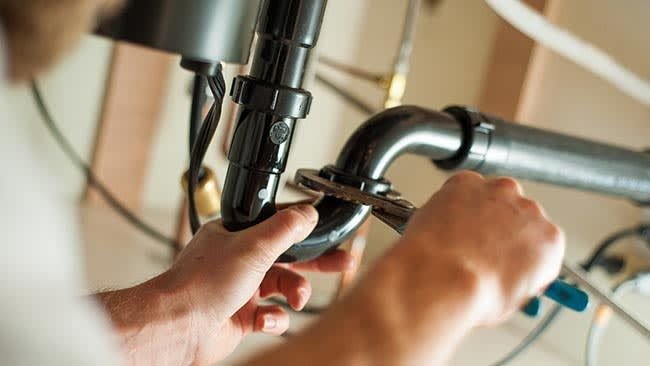
- Plumber’s Auger: For deeper clogs, a metal snake (auger) can reach several feet into the pipe to physically break up the obstruction.
Gentler Chemical Alternatives
- Enzymatic Cleaners: If you have a slow drain rather than a stopped one, try an enzyme-based cleaner. These use bacteria to eat organic waste. They take longer (often overnight) but are completely safe for all pipes and the environment.
- Baking Soda and Vinegar: The classic science fair volcano. Pour a cup of baking soda down the drain, followed by a cup of vinegar. Plug the drain and let it fizz for 10 minutes, then flush with boiling water. This is great for minor grease buildup and maintenance.
Maintaining Your Drains to Avoid Future Clogs
The best way to handle a clog is to prevent it from happening in the first place. Incorporating some simple drain maintenance tips into your routine can keep your plumbing healthy.
1. Use Drain Strainers
This is the single most effective thing you can do. Buy mesh strainers for every sink and tub in your house. They catch hair, food particles, and soap slivers before they enter the pipe. Empty them into the trash daily.
2. Watch What You Pour
Grease is the enemy. Never pour cooking oil or bacon grease down the sink. It flows as a Liquid Fire Drain Cleaner when hot but solidifies into a hard, sticky mass when it cools in your pipes. Wipe greasy pans with a paper towel before washing them.
3. Weekly Hot Water Flush
Once a week, boil a large pot of water and pour it down your kitchen sink. This helps melt away small amounts of grease and soap that are starting to accumulate on the pipe walls.
4. Regular Gentle Cleaning
Use a cup of baking soda followed by hot water once a month to keep drains smelling fresh and flowing smoothly. This helps neutralize odors and keeps buildup to a minimum without the risks associated with sulfuric acid.
Conclusion
Plumbing emergencies have a way of happening at the worst possible times. When you are staring down a sink full of dirty water, liquid fire drain cleaner can be the hero you need. Its ability to dissolve tough organic clogs quickly makes it a valuable option for serious blockages. However, that power commands respect.
By understanding how sulfuric acid works, assessing your plumbing correctly, and strictly following safety protocols, you can use this product effectively without damaging your home or hurting yourself. Remember, though, that chemicals are just one tool in the box. Mechanical methods like snakes and plungers are often safer first steps, and preventative maintenance is the ultimate cure.
We hope this guide has empowered you to tackle your plumbing woes with confidence. Whether you reach for the Liquid Fire Drain Cleaner or decide to try a drain snake, you now have the knowledge to make the right decision for your home. Don’t let a clog ruin your day take action, stay safe, and get that water flowing again!
Check our other plumbing guides for more DIY tips and tricks to keep your home running smoothly all year round!
Frequently Asked Questions (FAQ)
1. Will Liquid Fire damage my plastic pipes?
Generally, no. Liquid Fire Drain Cleaner is safe for most PVC and plastic pipes found in modern homes, provided you do not overuse it. However, excessive use can generate enough heat to soften the PVC or the glue at the joints, so stick to the recommended dosage.
2. Can I use Liquid Fire Drain Cleaner in the toilet?
It is generally not recommended to use sulfuric acid drain cleaners in toilets. The heat generated can crack the porcelain bowl. Additionally, toilets often clog due to paper or foreign objects, which acid won’t dissolve effectively. A toilet auger is a better choice.
3. How long does Liquid Fire Drain Cleaner take to work?
Liquid Fire Drain Cleaner works very quickly. You should typically see results within 15 to 30 minutes. If the drain hasn’t cleared after two applications, the clog is likely something the acid cannot dissolve, and you should stop using it.
4. Does Liquid Fire smell bad?
Yes. Sulfuric acid produces a strong, sulfurous odor (like rotten eggs) when it reacts with the clog. This is why proper ventilation is critical. Open windows and run fans to clear the air.
5. Can I use Liquid Fire if I have a septic tank?
Yes, you can use Liquid Fire Drain. Cleanerthe manufacturer states that it is safe for septic systems. The acid is neutralized as it travels through the pipes and enters the large volume of the tank, so it shouldn’t harm the bacterial balance significantly if used occasionally.