Tankless water heaters have transformed the way homeowners think about hot water. Instead of storing gallons in a bulky tank, these modern systems heat water only when you need it. The result is endless hot water, lower energy bills, and a compact design that fits almost anywhere.
But the real performance of a tankless unit depends on one critical factor: proper installation.
A poorly installed system can suffer from low water pressure, temperature fluctuations, error codes, frequent shutdowns, and even dangerous gas or electrical issues. That’s why water heater installation tankless is not a simple plug-and-play job, it requires expert planning, precise setup, and strict safety standards.
This in-depth guide explains everything you need to know about tankless water heater installation: how the process works, what it costs, gas vs. electric systems, preparation requirements, common mistakes, and why professional installation is essential for long-term reliability.
What Is a Tankless Water Heater?
A tankless water heater also called an on-demand water heater, heats water only when a faucet or appliance calls for it. Instead of maintaining a reservoir of hot water, it uses powerful heating elements or burners to instantly warm water as it flows through the unit.
Key benefits include:
- Endless hot water
- Higher energy efficiency
- Smaller footprint
- Longer lifespan than tank systems
- Reduced risk of water damage
- Lower standby heat loss
However, these benefits are only achieved when the system is correctly sized and installed.
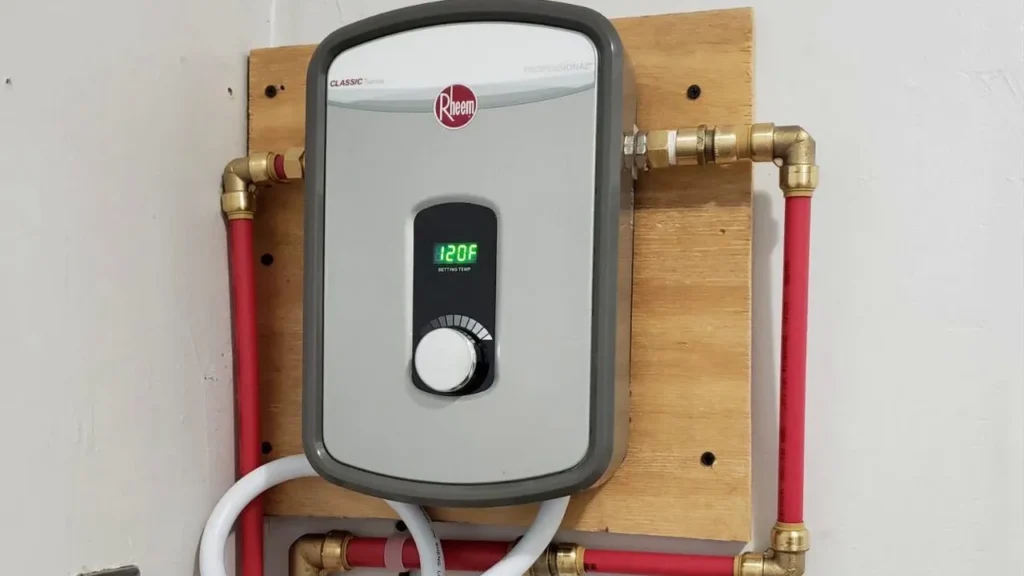
Why Tankless Water Heater Installation Is Different
Traditional tank heaters are relatively simple: connect water lines, attach gas or electric supply, install a vent, and fill the tank. Tankless systems are far more complex.
They involve:
- High-powered heating components
- Advanced control boards
- Flow sensors
- Pressure regulation
- Specialized venting (for gas models)
- Electrical load management
Improper installation can cause:
- Insufficient hot water
- System shutdowns
- Error codes
- Shortened equipment life
- Voided manufacturer warranties
- Gas leaks or electrical hazards
This is why tankless water heater installation must be done with precision.
Gas vs. Electric Tankless Installation
Understanding the differences between gas and electric tankless systems is critical before installation.
Gas Tankless Water Heater Installation
Gas tankless units use powerful burners to heat water instantly. They are ideal for homes with high demand.
Installation requirements:
- Large-capacity gas supply line
- Dedicated venting system
- Combustion air access
- Condensate drain (for high-efficiency models)
- Electrical outlet for controls
Advantages:
- Higher output
- Supports multiple fixtures at once
- Better for large households
Challenges:
- Gas line upgrades often required
- Venting modifications
- Higher installation cost
Electric Tankless Water Heater Installation
Electric units rely on high voltage heating elements.
Installation requirements:
- Multiple dedicated breakers
- High-amperage electrical circuits
- Panel capacity upgrades in many homes
- Shorter plumbing runs
Advantages:
- No venting required
- Lower installation complexity
- Compact design
Challenges:
- Electrical panel upgrades
- Limited output for large homes
- Higher amperage demands
Both systems require professional assessment before installation.
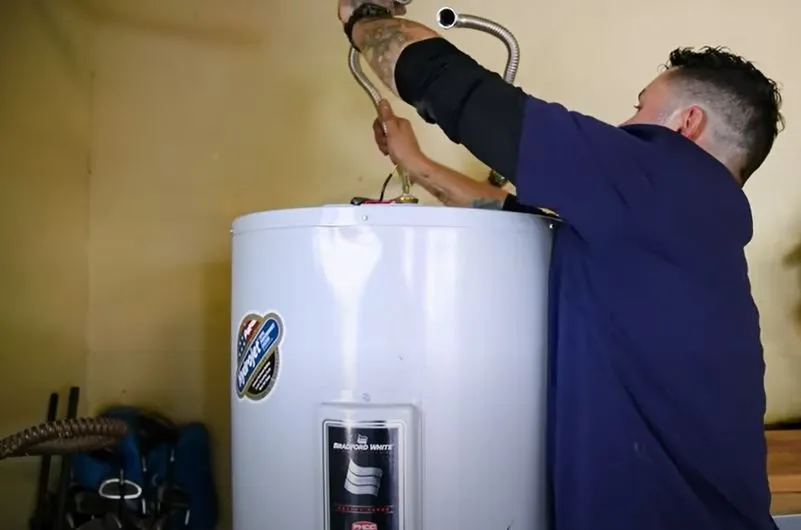
Step-by-Step Tankless Water Heater Installation Process
Professional installation follows a structured process to ensure safety, performance, and code compliance.
1. Home Assessment and Sizing
The technician evaluates:
- Household size
- Hot water usage
- Number of bathrooms
- Simultaneous fixture demand
- Existing gas or electrical capacity
Correct sizing ensures adequate flow rate and consistent temperature.
2. Utility Preparation
Depending on the system:
- Gas lines may be upsized
- Electrical panels may be upgraded
- New breakers installed
- Venting routes planned
This step prevents future performance issues.
3. Unit Placement
Tankless heaters are wall-mounted and can be installed in:
- Garages
- Utility rooms
- Closets
- Basements
- Outdoor enclosures
Placement affects performance and maintenance access.
4. Plumbing Integration
Water lines are connected with:
- Shut off valves
- Pressure regulation
- Inlet filters
- Expansion protection
Proper alignment prevents leaks and flow restrictions.
5. Venting and Exhaust (Gas Units)
Gas tankless systems require:
- Sealed vent pipes
- Proper exhaust routing
- Condensate drainage
- Air intake configuration
Incorrect venting can cause shutdowns or carbon monoxide risks.
6. Electrical and Control Setup
Control boards, sensors, and power connections are installed and tested.
7. System Programming and Testing
Technicians:
- Calibrate temperature settings
- Test flow rates
- Check gas pressure
- Verify combustion
- Run performance diagnostics
This ensures consistent hot water delivery.
Cost of Tankless Water Heater Installation
Installation costs depend on system type, home layout, and required upgrades.
| System Type | Total Installed Cost |
|---|---|
| Electric Tankless | $1,800 – $3,500 |
| Gas Tankless | $3,000 – $6,500 |
| High-Efficiency Gas | $4,000 – $8,000 |
Factors affecting cost:
- Utility upgrades
- Venting modifications
- Electrical panel capacity
- Unit size
- Labor complexity
- Permit requirements
While tankless systems cost more upfront, they provide long-term savings through reduced energy consumption and extended lifespan.
Benefits of Professional Tankless Installation
Professional installation delivers:
- Correct system sizing
- Safe gas and electrical handling
- Code-compliant setup
- Manufacturer warranty protection
- Optimal performance
- Long-term reliability
- Energy efficiency
DIY or inexperienced installation often leads to costly corrections later.
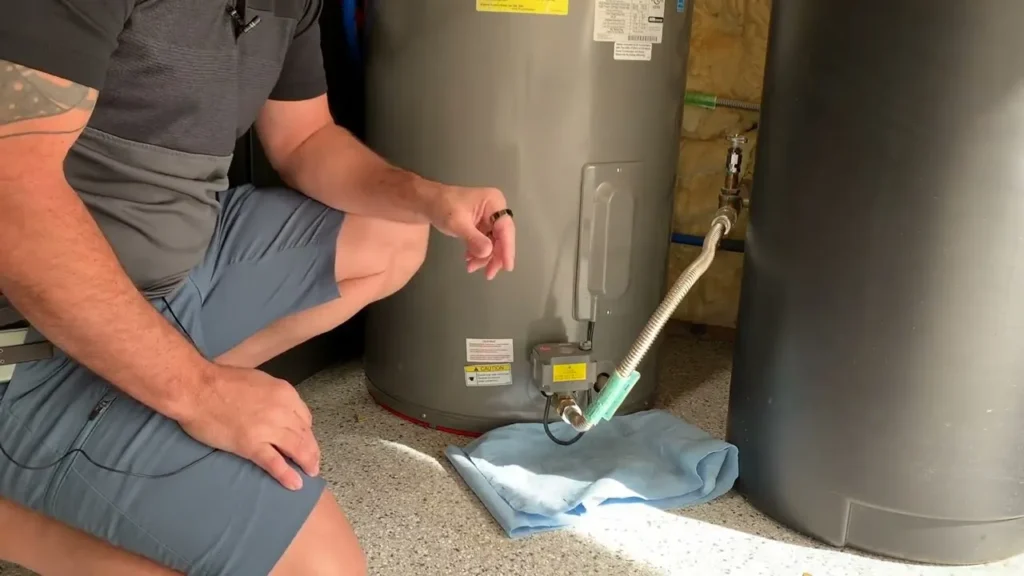
Common Installation Mistakes
Avoiding these mistakes protects your investment:
- Undersizing the unit
- Ignoring electrical or gas capacity
- Improper venting
- Inadequate water pressure regulation
- Skipping descaling connections
- Poor mounting location
- Lack of maintenance access
Each of these can cause system failure or performance issues.
How Long Does Installation Take?
- Electric tankless: 3-6 hours
- Gas tankless: 5-10 hours
- Complex upgrades: 1-2 days
Time varies based on required utility upgrades.
Long-Term Value of Tankless Water Heaters
Tankless systems provide:
- 15-20 year lifespan
- Up to 34% energy savings
- Endless hot water
- Space efficiency
- Lower risk of water damage
- Improved home value
Over time, reduced energy costs and fewer replacements offset the initial investment.
Maintaining Your Tankless Water Heater
Proper maintenance keeps your system running efficiently:
- Annual descaling service
- Inlet filter cleaning
- Vent inspection
- Temperature calibration
- Error code monitoring
Regular service prevents scale buildup, overheating, and shutdowns.
Final Thoughts
A tankless water heater offers unmatched convenience, efficiency, and long-term value but only when installed correctly. Water heater installation tankless is a specialized process that demands precise sizing, utility preparation, and professional expertise.
From gas line upgrades and venting systems to electrical capacity and system calibration, every detail matters. Proper installation ensures endless hot water, consistent performance, and safe operation for years to come.